Drums that hold their tune through a Cape summer
Handmade drums and percussion · Salt River, Cape Town
See what we buildTwo weeks from block to bag
Bring a slack drum in on a Saturday
A dry skin we can lap the same morning. One that needs soaking goes on the rack and comes back to you in the week. Bring the drum itself, not the measurements.
Shop the rangeDrums, skins and everything that holds them
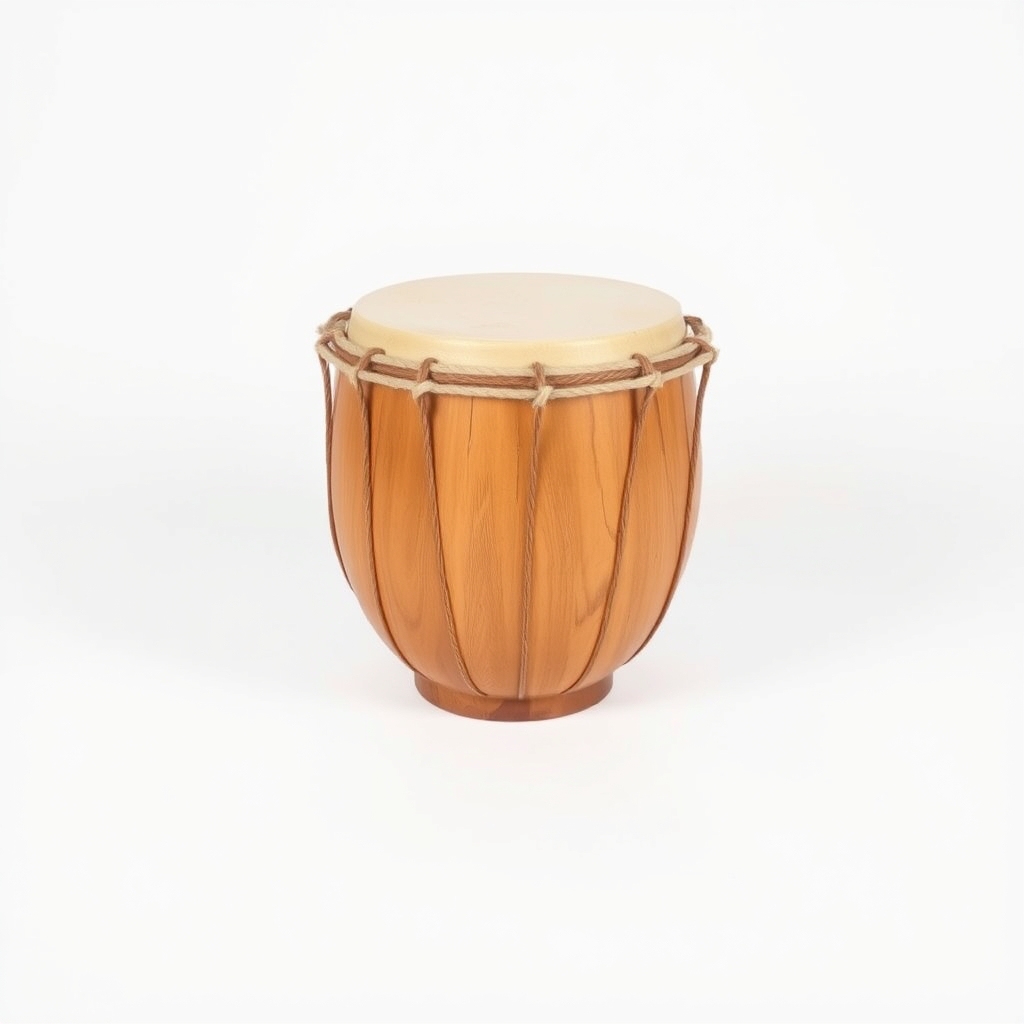
DrumsTurned from one block of hardwood and headed with a goatskin we soak and lap ourselves, so the tone comes up warm and it takes a hiding on the road. Every one goes out plain, because the wood is the point and paint is mostly there to hide a shell that was not turned properly. The standard is what the moppie bands buy; the small one is easier under the arm if you are walking with it.
R1 850.00Choose a size 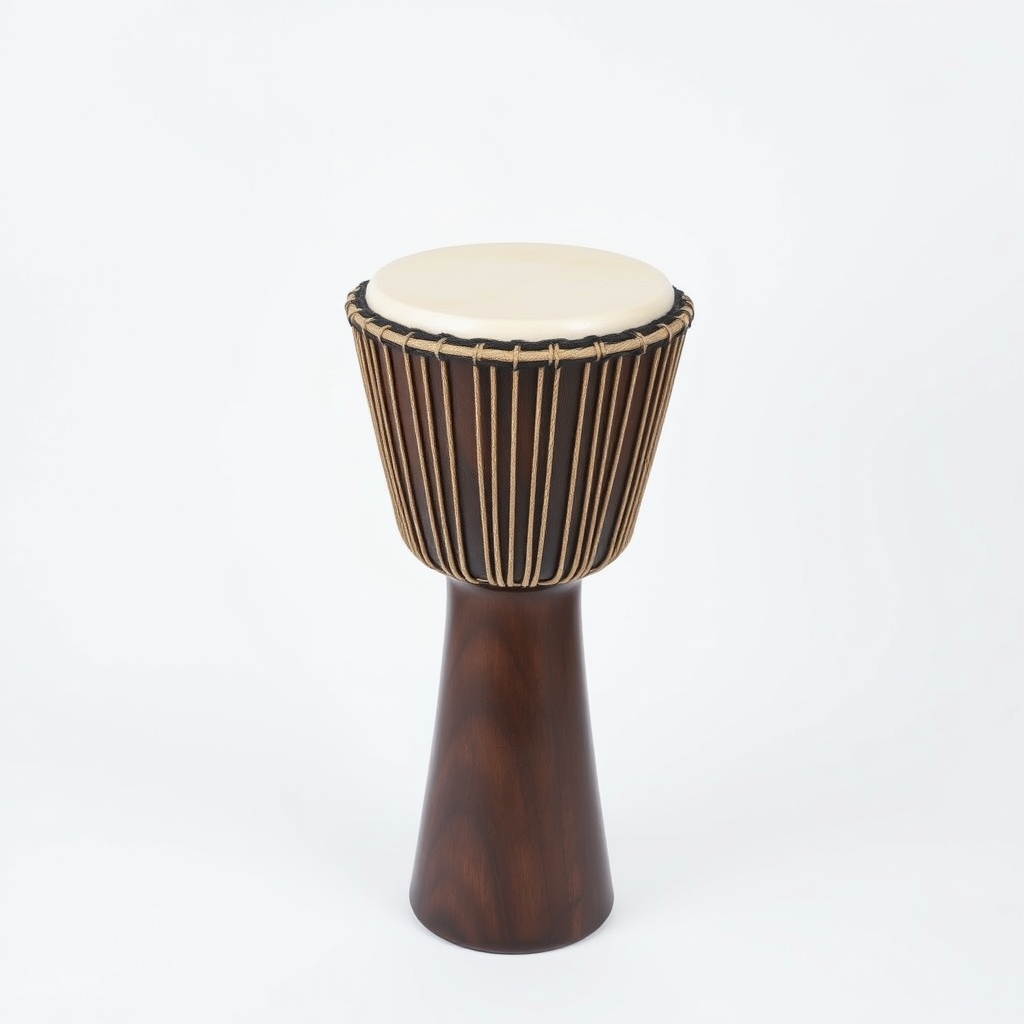
DrumsCarved shell, hand-lapped skin, and rope pulled down over three days so it holds its tuning right through a Cape summer instead of going slack the first humid week. The 14-inch is the one most players settle on — loud enough to sit in a circle, still light enough to carry to the station. The 16 is a bass and the 12 is for children, and we will say so on the phone.
R2 650.00Choose a size 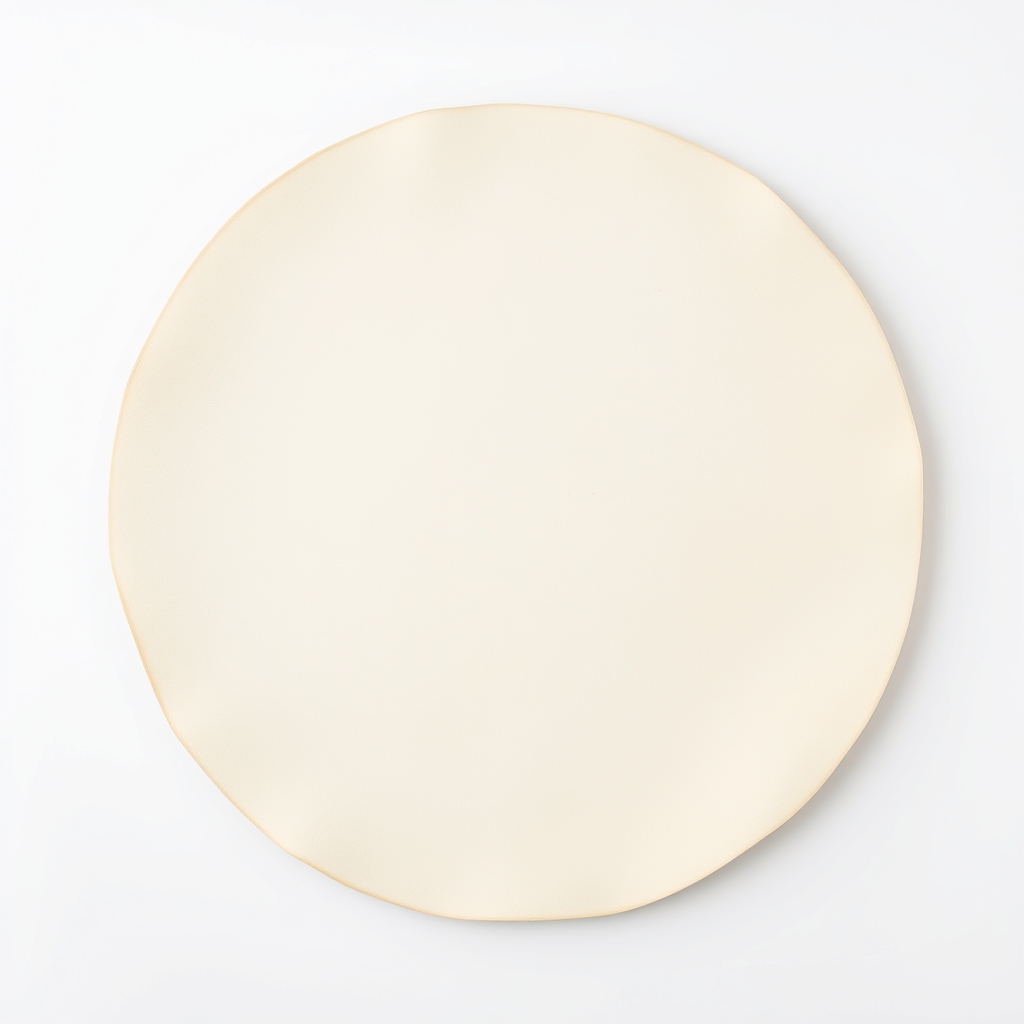
Skins and ropeCut oversize and dried flat, so there is enough hide left over to fold down over the hoop properly rather than stretching the last 20 mm and hoping. Soak it an hour in cold water before you lap it and it will sit down sweet. Order the size of the drum, not the size of the old skin, which has usually shrunk.
R380.00Choose a size 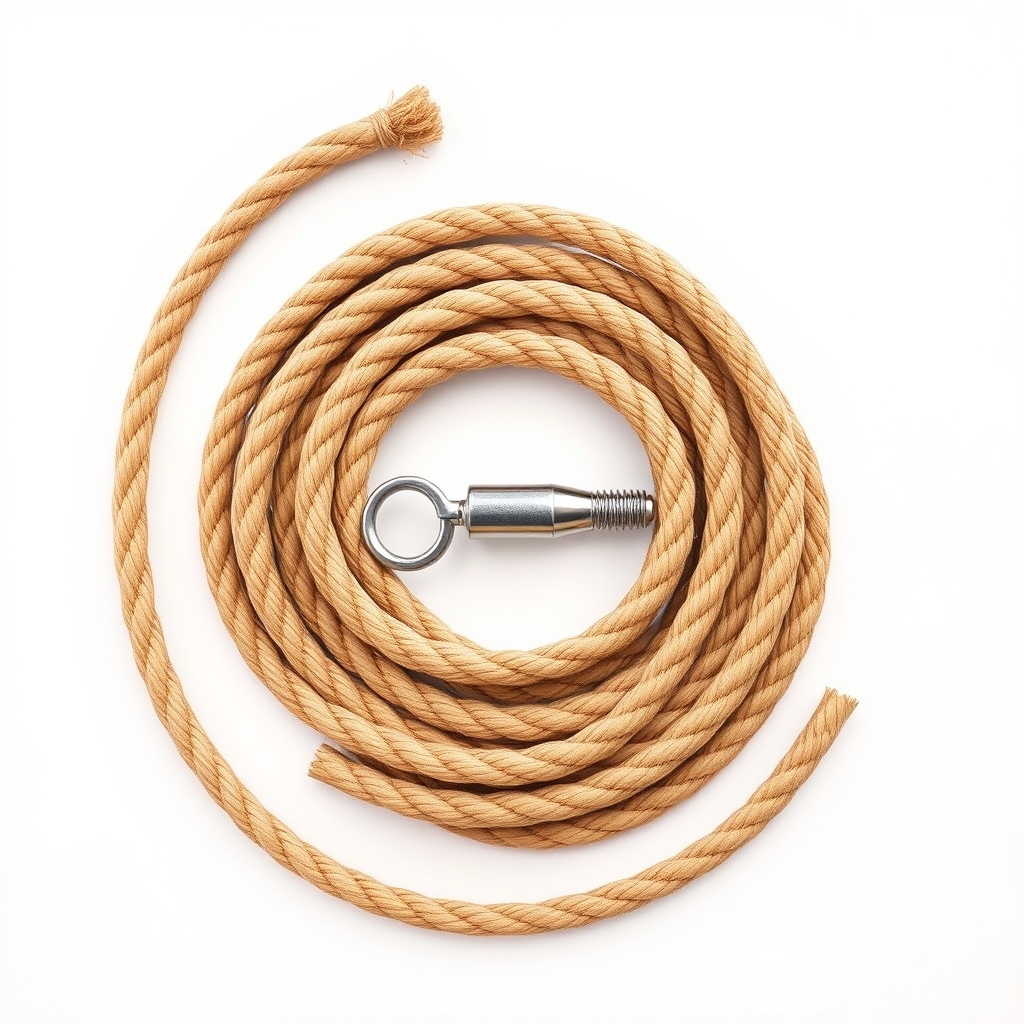
Skins and ropeTen metres of twisted hide rope and a steel key, which between them is everything needed to bring a slack drum back up to pitch. Keep the offcuts in the bag, because they always come in handy the next time a skin goes. If you have never pulled a diamond before, bring the drum here once and we will show you on it.
R290.00Add to cart 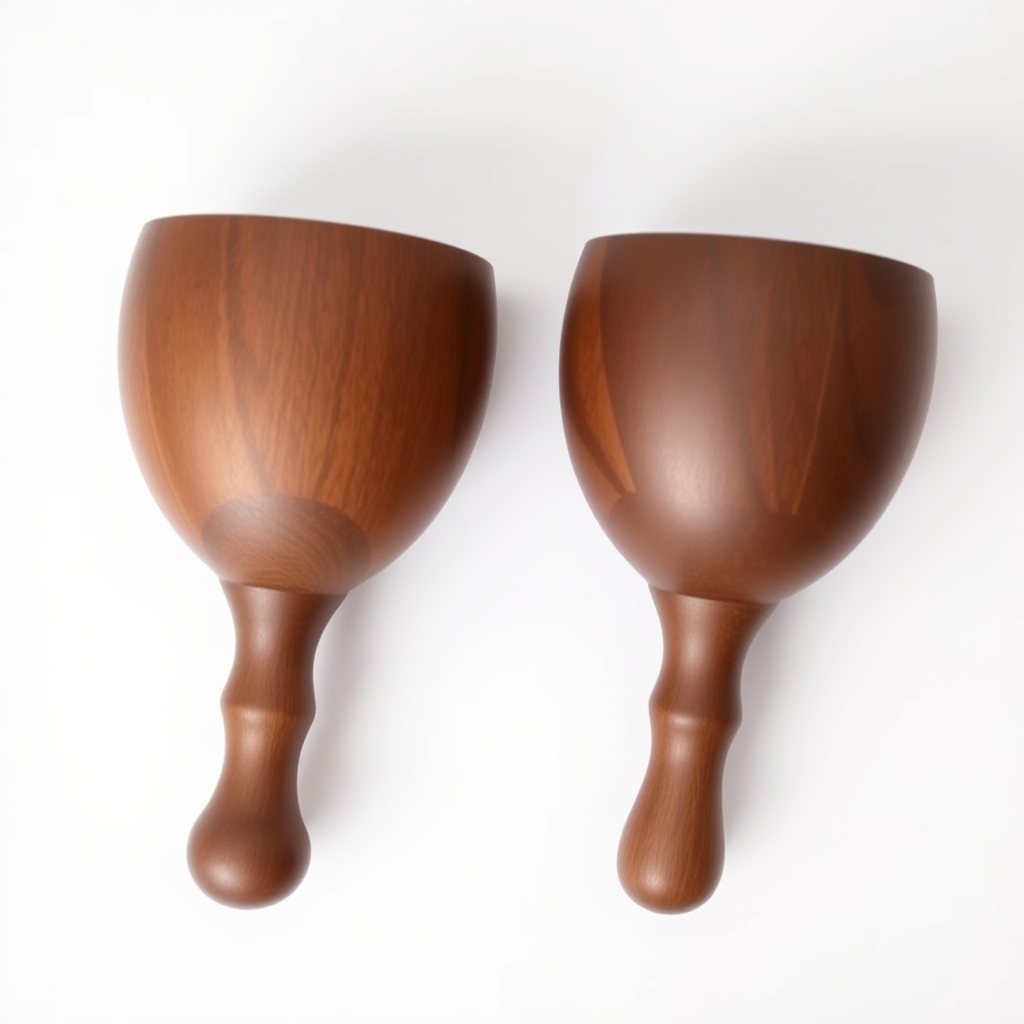
Hand percussionTurned out of the offcuts left over from the drum shells and filled with dried seed, so no two of them sound exactly alike and we cannot pretend otherwise. Light enough for a child to hold all through a class, dry and loud enough to sit in with a full band. Sold in pairs because one shaker is a lost shaker.
R180.00Add to cart 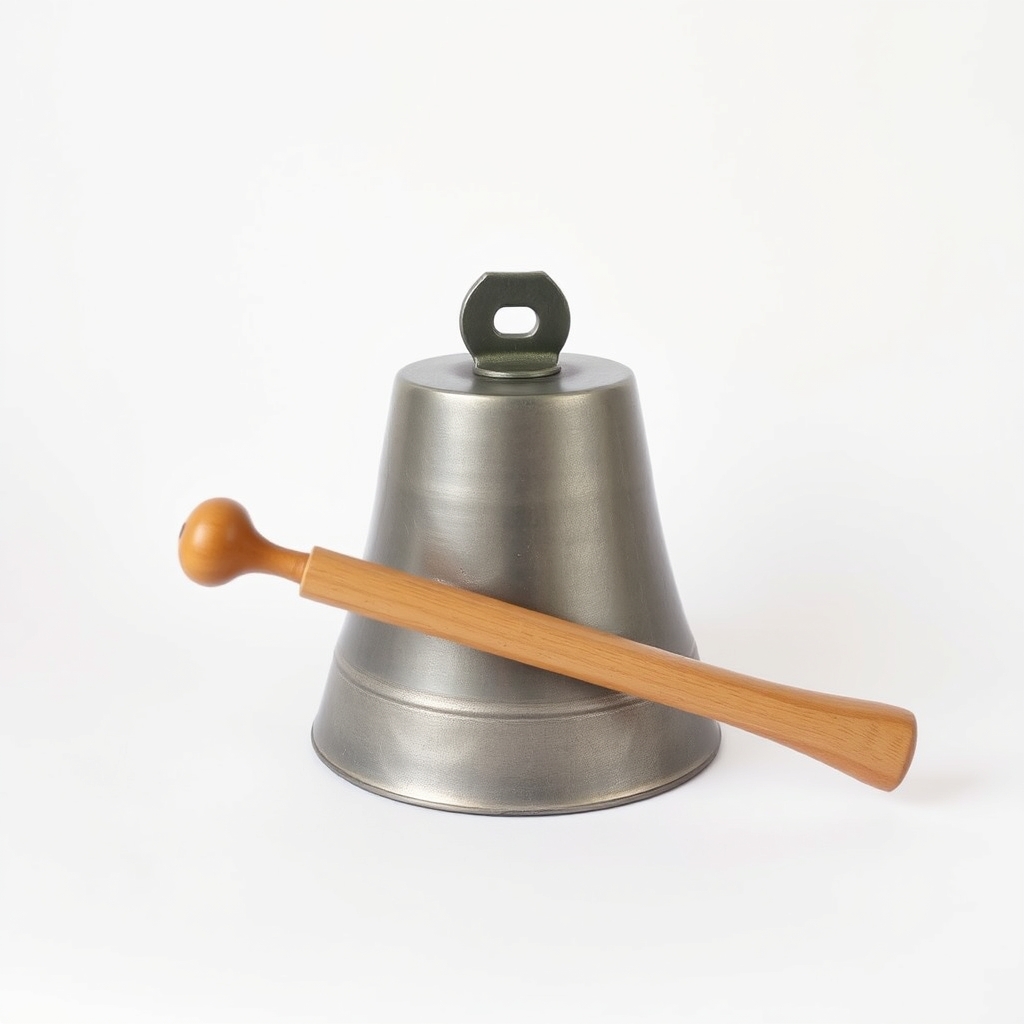
Hand percussionHand-forged out of sheet steel and left unpolished, which gives it a dry cut that carries over a row of drums instead of getting buried under them. The hardwood beater in the box will comfortably outlast the bell. It marks up the moment you use it, and that is the only finish it is ever going to have.
R420.00Add to cart 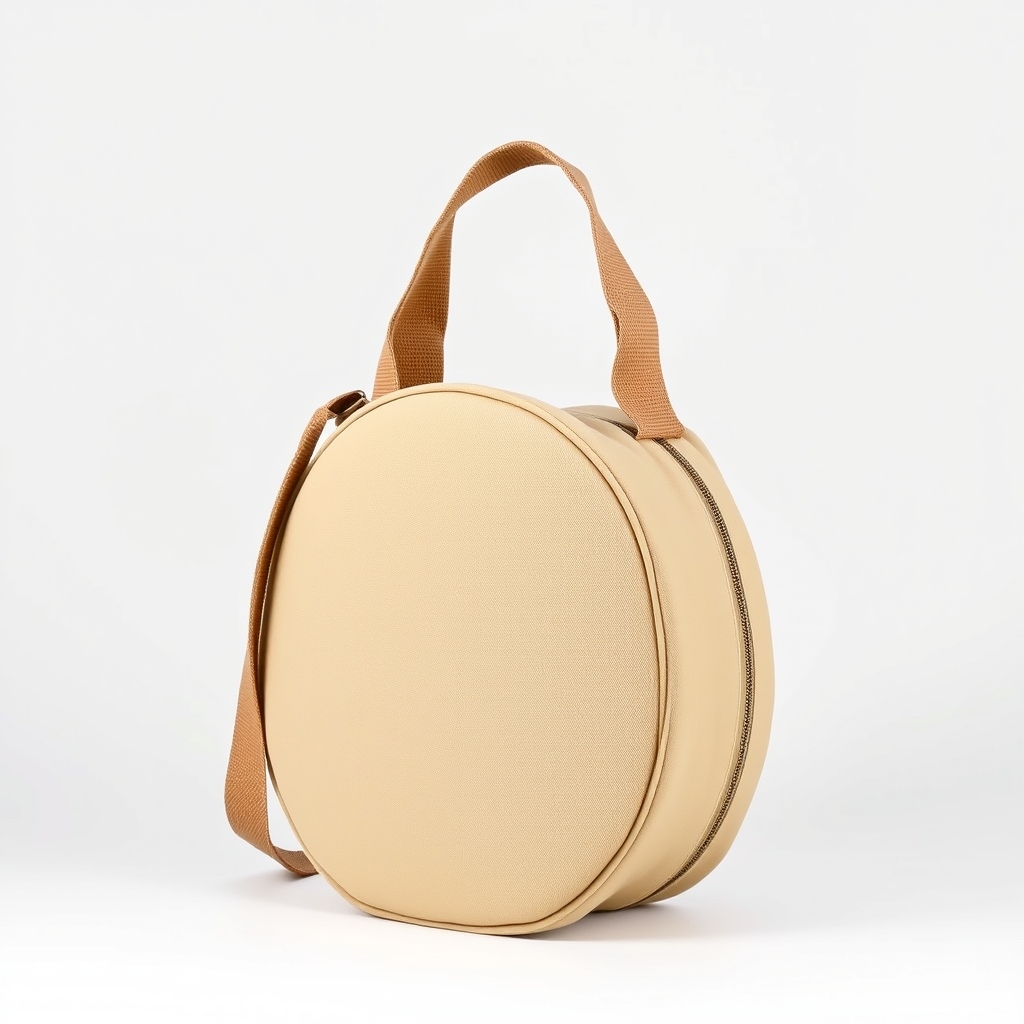
Cases and standsHeavy canvas with proper foam in it and a strap wide enough that it does not saw into your shoulder on the walk from the taxi rank. Fits anything from a 12 to a 14-inch drum, with a flat pocket down the side for rope and a key. It will not save your drum from a bakkie reversing over it, but it handles a full taxi fine.
R690.00Add to cart 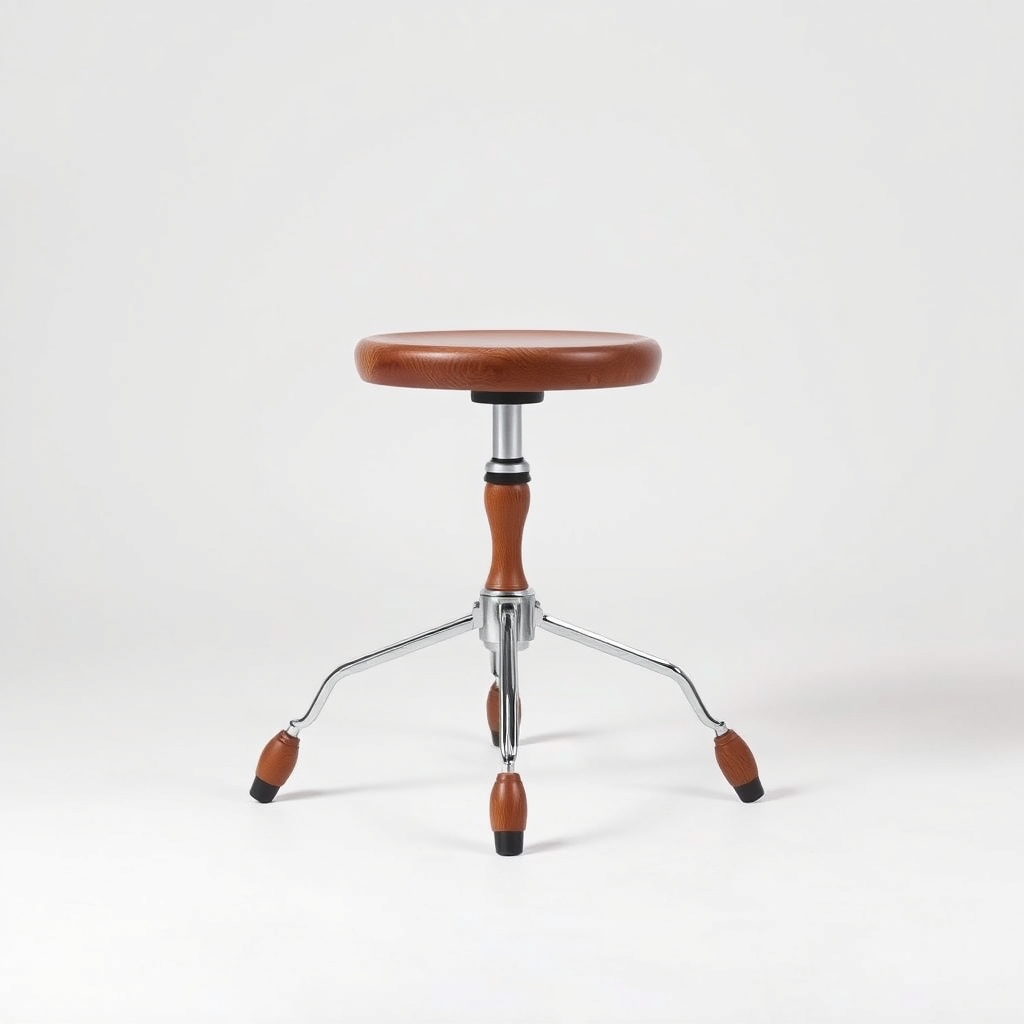
Cases and standsLow, solid and dished, so you sit forward with the drum between your knees rather than sliding off the front of it by the second song. Built out of the same hardwood as the shells and wedged, not screwed, so it will not start rocking on you in a year. Sits level on a bad floor, which is most floors we play on.
R1 150.00Add to cart How a drum comes right
The shells are turned here off Albert Road, out of kiaat and saligna offcuts we buy from two furniture shops in Paarden Eiland. One block, one drum. A glued-up shell always tells on itself in the first hot week of February.
A skin comes in dry and stiff. It sits in cold water overnight, gets scraped, and is lapped over the hoop while it is still wet, then pulled down a little at a time over three days as it dries. Rush that and the drum sounds right in the workshop and dead by the time you get it home.
A ghoema is about a fortnight from block to bag and most of that is waiting. We work six or eight at a time so there is always something on the drying rack, and we phone you when yours is ready rather than promise a date we would only have to move.


