Kleipot

pots that breathe

Hand-thrown garden terracotta, dug, dried and fired on a smallholding on the Bottelary road outside Stellenbosch.

See the shelf

dug down the road

The clay comes out of a pit at the bottom of the neighbour’s vineyard. Every pot then dries five weeks on these racks before it goes near the kiln.

What we make

The shelf

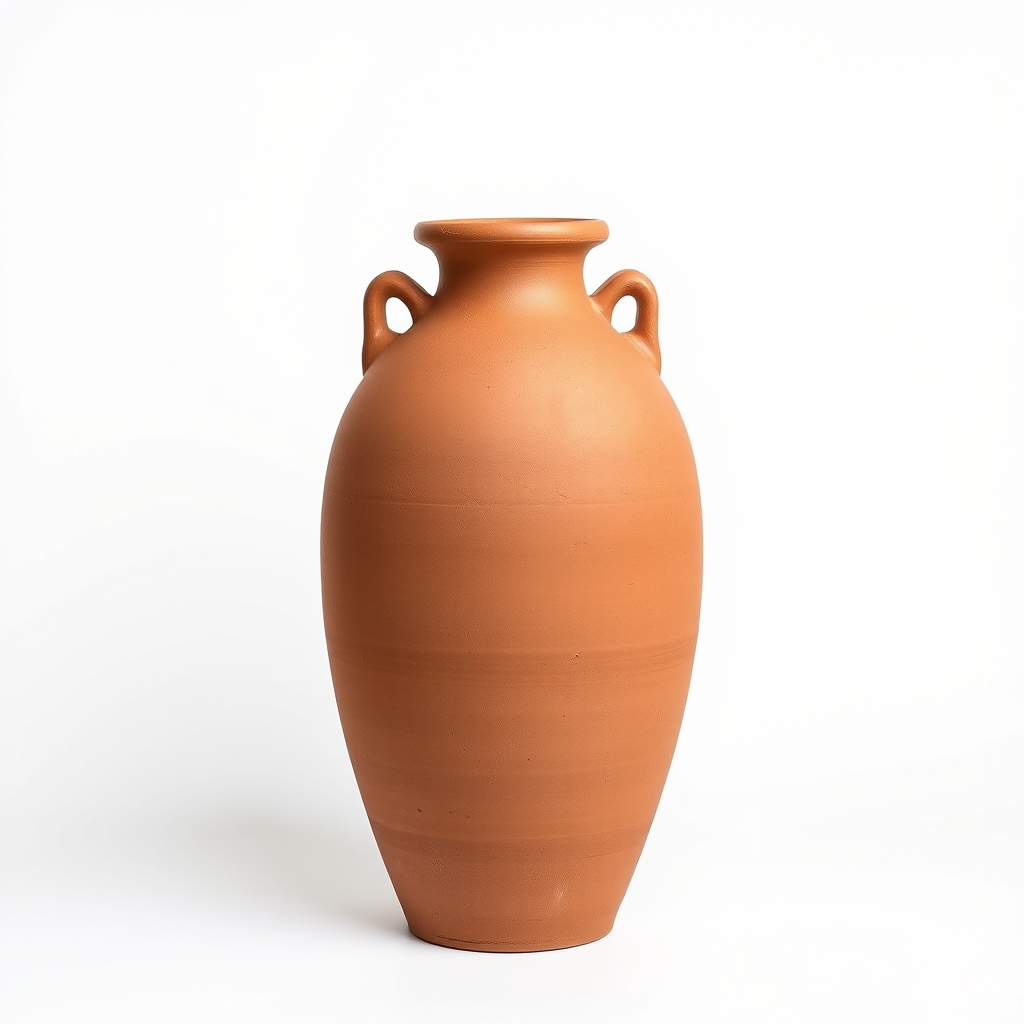
Olive jar
Olive jars

Olive jar

Thrown in one piece on the wheel and left unglazed, the way the old Cape farm jars were made. Six weeks from wet clay to cool pot, and no two come out of the kiln quite the same colour. The 700 needs two people and a sack trolley to move, which is rather the point of it — it goes at the end of a path and it stays there. Most people put a single aloe in the neck or leave them empty altogether. There is no drainage hole unless you ask for one, and if you want one we cut it before the first firing and not after.

R2 950.00Choose a size
Footed urn
Urns

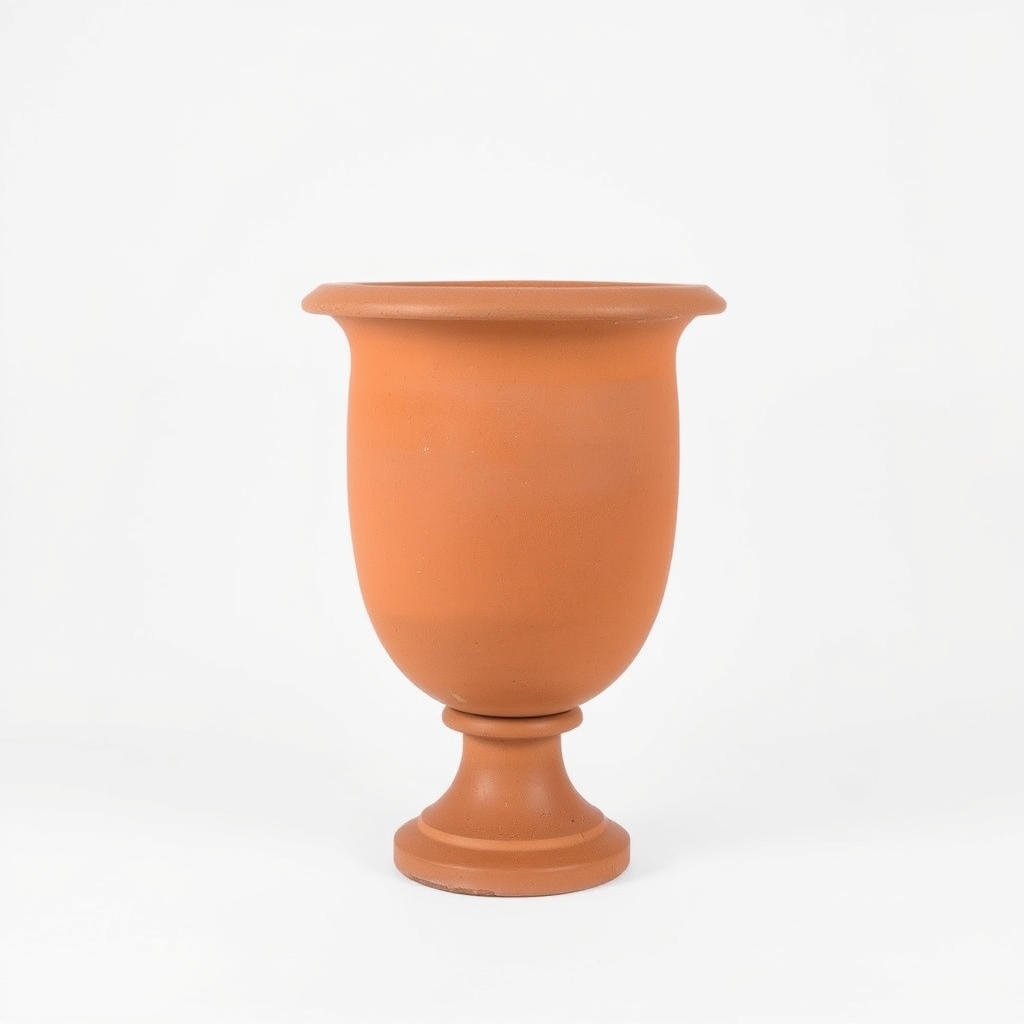
Footed urn

A footed urn for the end of a path, or a pair either side of a stoep step. It stands 620 mm and weighs about twenty-two kilos empty, so the southeaster will not have it over the way it does a plastic one. The foot lifts the base clear of the paving, which keeps the drainage hole open and stops the pot staining the stone underneath it. Thrown in two parts and joined at the waist while both halves are still soft — you can find the join with a thumb if you go looking for it, and we leave it showing on purpose.

R3 400.00Add to cart
Seedling pan
Bowls & pans

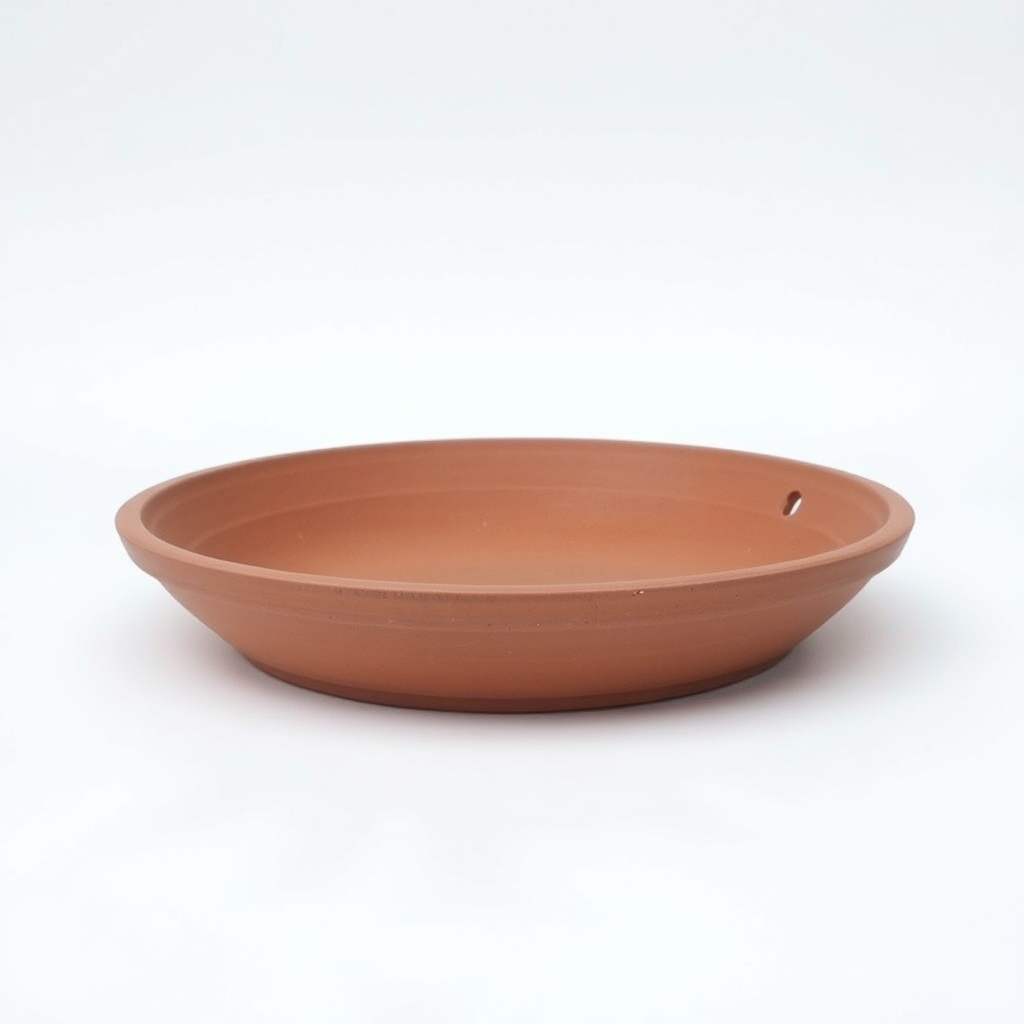
Seedling pan

A shallow pan for starting seed, thrown thin so the soil dries out evenly instead of souring at the bottom. Stack three of them on a shelf and they take up almost no room. We make these forty at a time and they are the cheapest thing that leaves the yard, mostly because they are quick on the wheel and quicker to dry. Every one has its drainage hole cut while the clay is still soft. Good for lettuce, coriander, and anything else you sow in a tray and move out later.

R340.00Choose a size
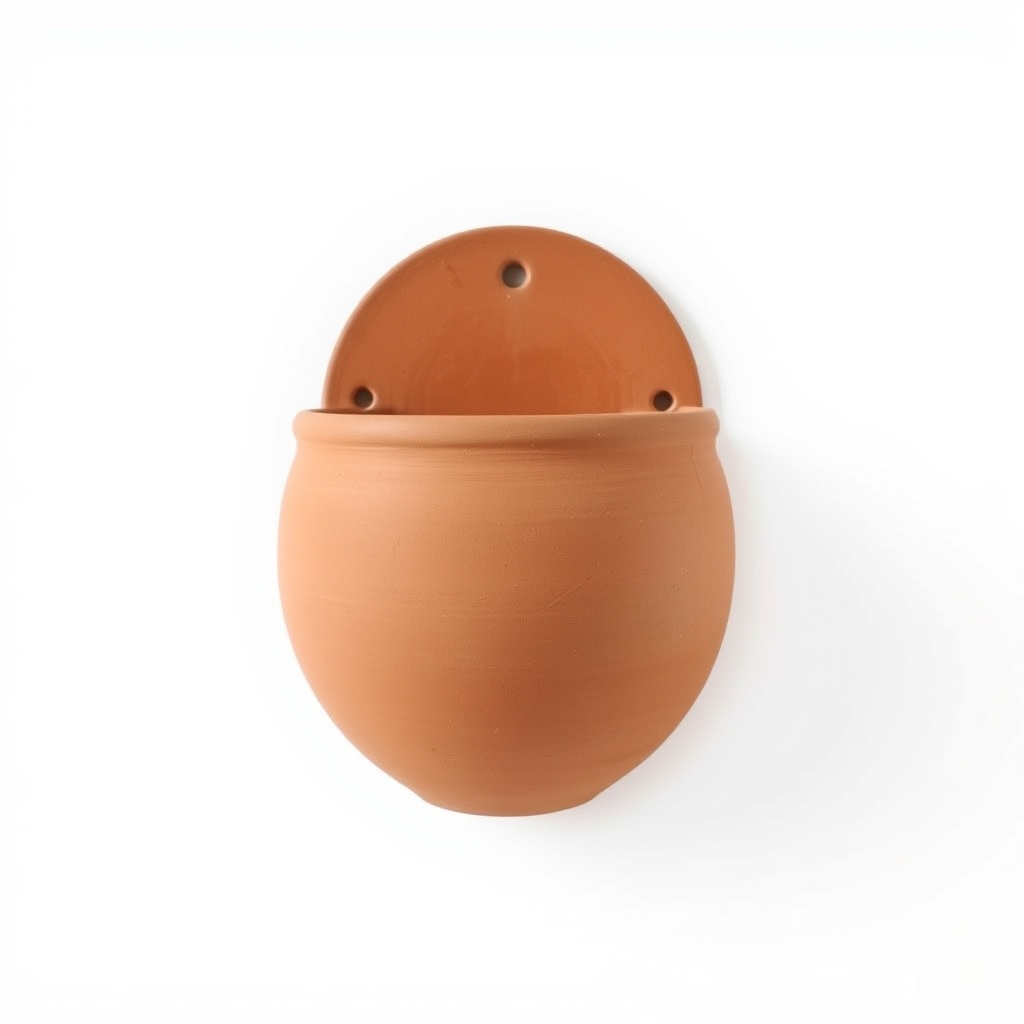
Wall pot
Garden pots

Wall pot

A half-pot with a flat paddled back and two fired-in holes, made to hang against a wall or a pillar. It is 240 mm across and holds about three litres of soil, which is enough for a decent bunch of herbs by the kitchen door where there is no ground to plant in. Hang it on two masonry screws rather than nails — full and watered it comes to roughly eight kilos. The back is beaten flat with a wooden paddle instead of pressed in a mould, so it sits against a rough plastered wall without rocking.

R720.00Add to cart
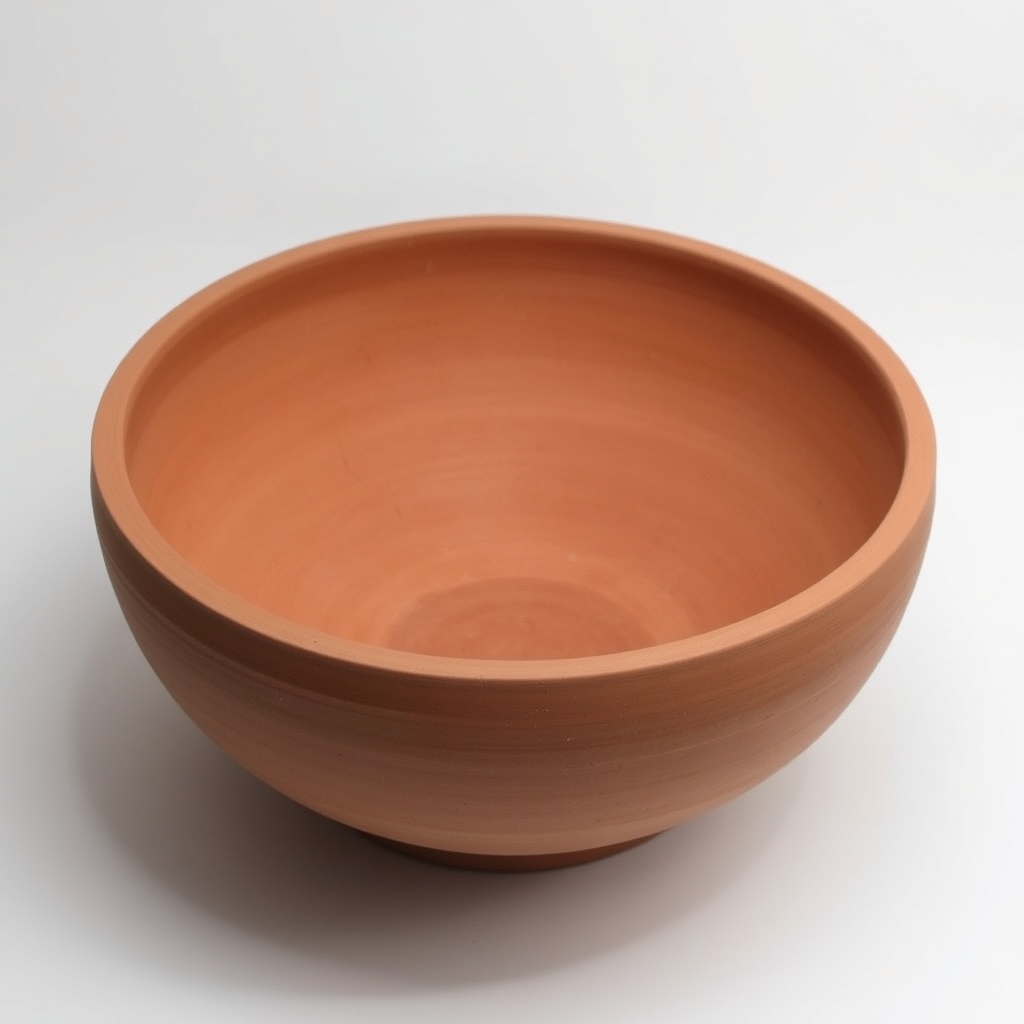
Water bowl
Bowls & pans

Water bowl

A wide, shallow bowl for the birds, or for floating a few clivia heads on the stoep table. Unglazed clay holds the water a few degrees cooler than a plastic one does in January, and the birds find it sooner because it does not glare at them. It will seep a little for the first month until the wall closes up, so stand it on gravel rather than on a wooden table while that settles. Scrub it out with a brush and water only — soap sits in the clay and the birds can taste it.

R1 250.00Choose a size
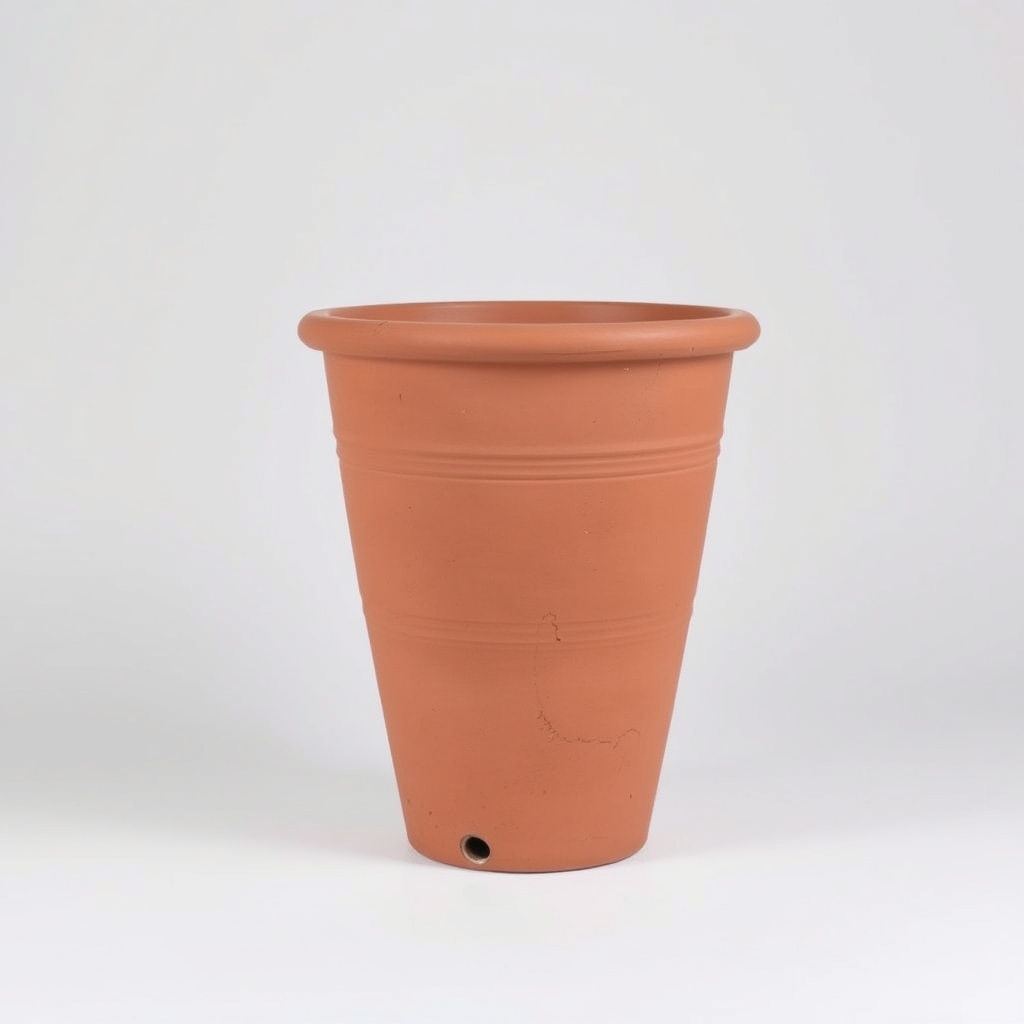
Courtyard pot
Garden pots

Courtyard pot

Our everyday rolled-rim pot, and the one most people come back for a second and a third time. Terracotta breathes, so the roots do not cook through a Boland summer the way they do in a glazed pot — the trade is that you water more often, and we would rather say that up front than have you find out in February. The rim is rolled thick so you can get both hands properly under it when it is full. Drainage hole as standard, and the 500 comes with three small feet fired on so it drains clear of the paving.

R1 480.00Choose a size

six weeks, one firing

The kiln takes eighty pots and burns three days on hardwood offcuts. Nothing comes out the colour of the last load, and we have stopped trying to fix that.

Take one home

why we leave it bare

An unglazed pot is porous, so water moves out through the wall and cools the root ball as it evaporates. Through a Boland January that is the difference between a plant that sulks and one that grows.

Come to the yard

Bottelary Road, outside Stellenbosch. Saturdays 08h00 to 13h00, or phone during the week and we will open the gate.