Olives pressed in the Riebeek Valley, four hours from the tree
Sixteen hundred trees on the Bothmaskloof side, milled on the farm from the first week of April.
See this season's pressThe season, in six pictures
Everything we press, cure and pack on the farm
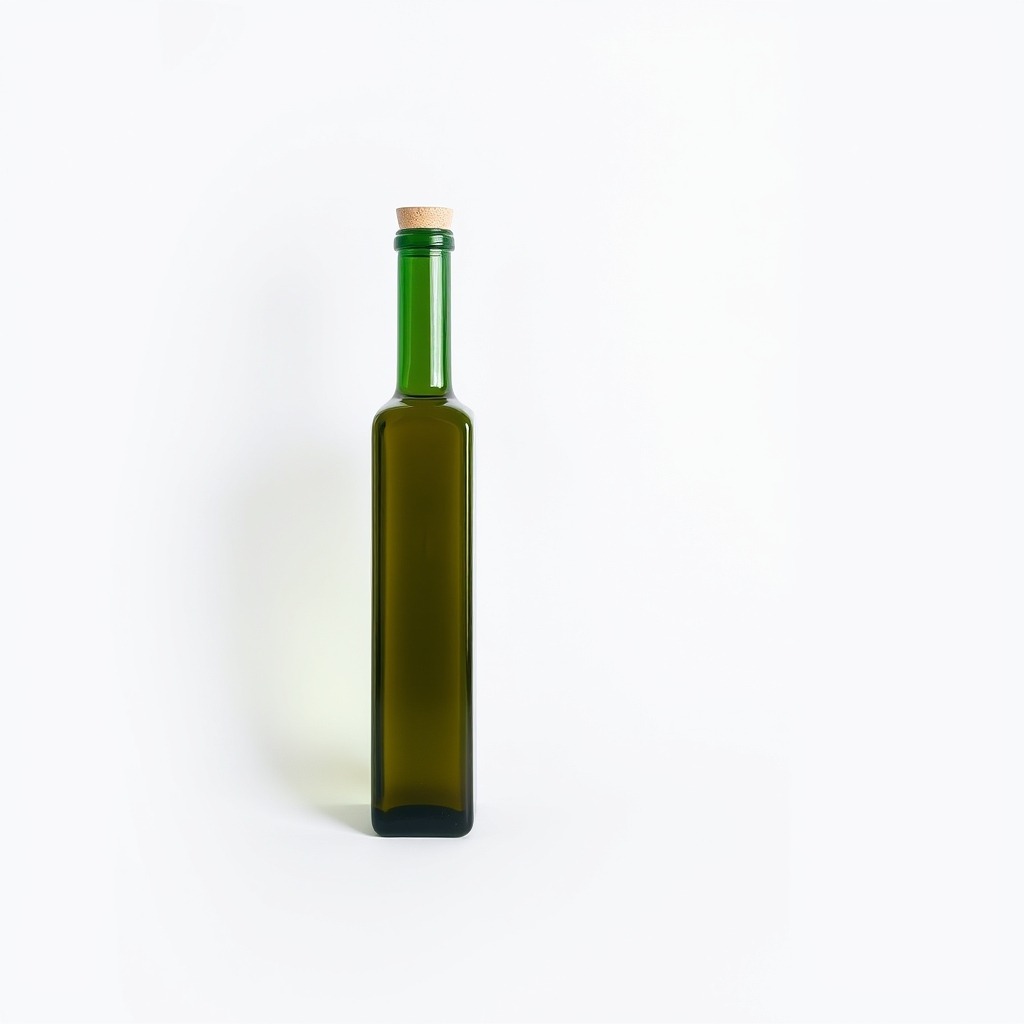
Olive oilMission and Frantoio off the valley floor, picked into crates and through the mill inside four hours, because anything longer and the fruit starts working against you. It comes out grassy and properly peppery, with a bitter finish that settles down after a week in the bottle and reads as balanced by June. This is the one we cook with every day rather than the one we save for the table. Dark glass, no filtering beyond a settling tank, and the pressing date written on the back label.
R185.00Choose a size 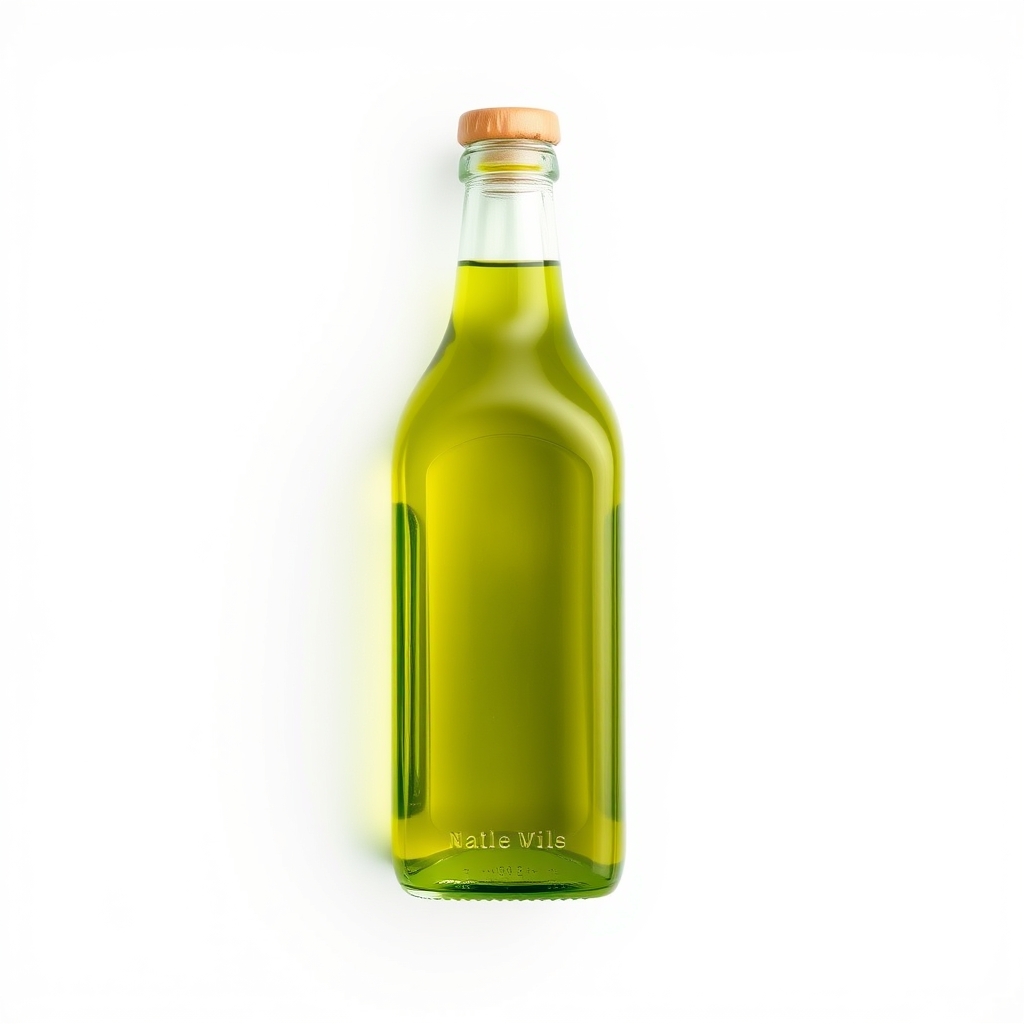
Olive oilThe first pick of April, milled while the fruit is still hard and green and giving up almost nothing, which is exactly why it costs what it does. Sharper and a good deal more bitter than the main press — it will catch the back of your throat, and that is the polyphenols doing their work. Five hundred millilitres only, and somewhere between three and four hundred bottles depending on the year. Use it raw on bread, on beans or over a young cheese; putting it in a hot pan wastes the whole point of it.
R245.00Add to cart 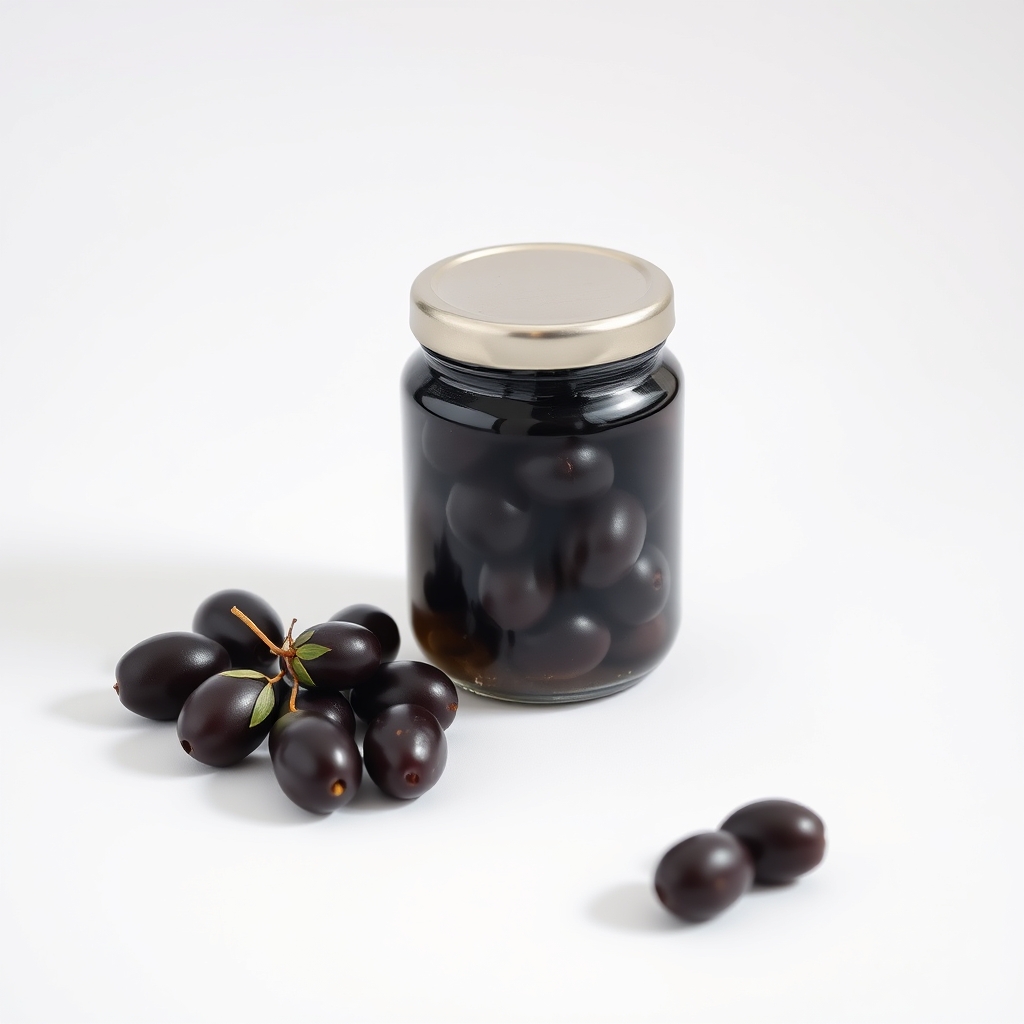
Table olivesHand-sorted off the table and cured slowly in salt brine with a splash of our own red wine vinegar, six months at the very least before a jar leaves here. Firm, dark and properly salty rather than sweetened the way most of the shelf ones are. They come with the pips still in, because a pitted olive gives up its texture inside a month and there is no way around that. Keep the jar in the fridge once it is open and keep the olives under the brine.
R95.00Choose a size 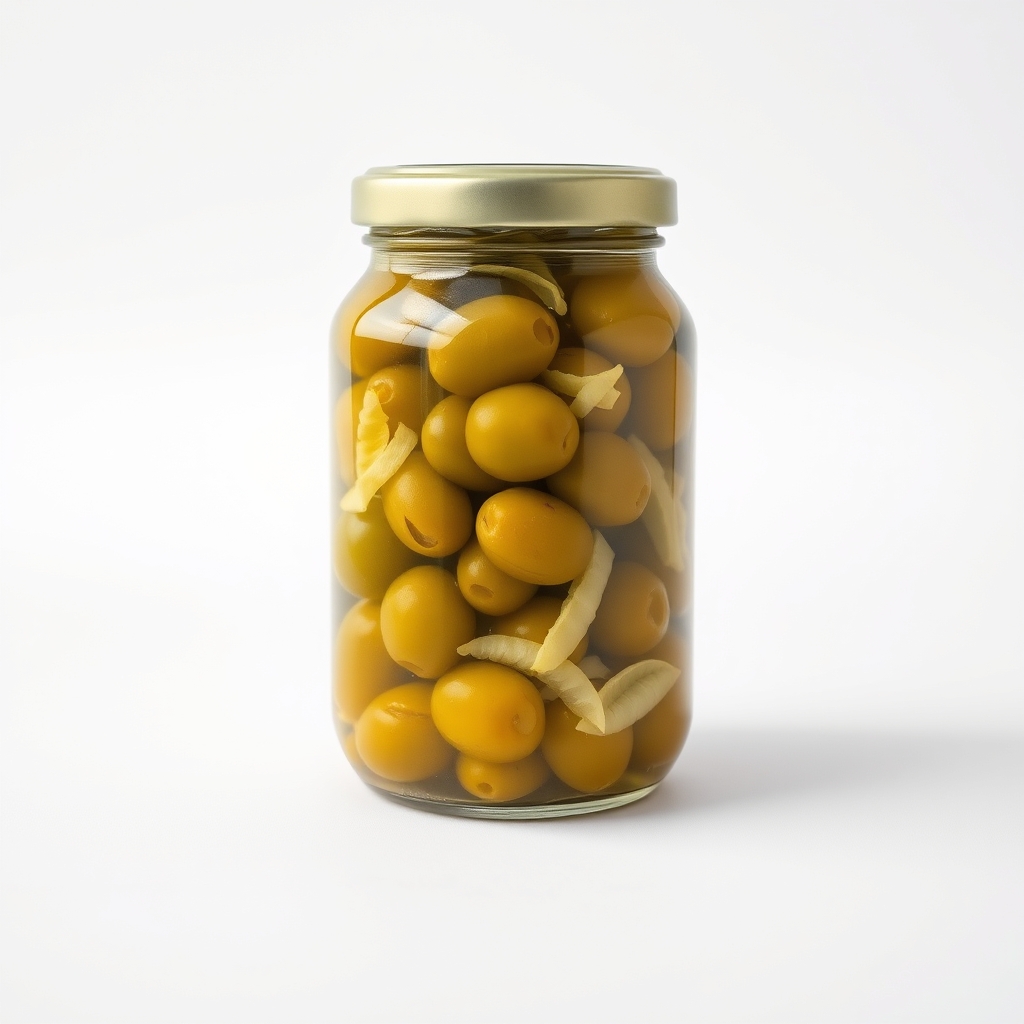
Table olivesCracked by hand with a wooden mallet and then left in fresh water for ten days, changed every morning, which is the only honest way to take the bitterness out of a green olive. Into brine after that, with lemon peel and wild fennel cut along the werf fence where it grows whether we want it there or not. They stay crunchy and they taste green rather than salty. Two hundred and fifty grams, and they do not survive a weekend in this house.
R89.00Add to cart 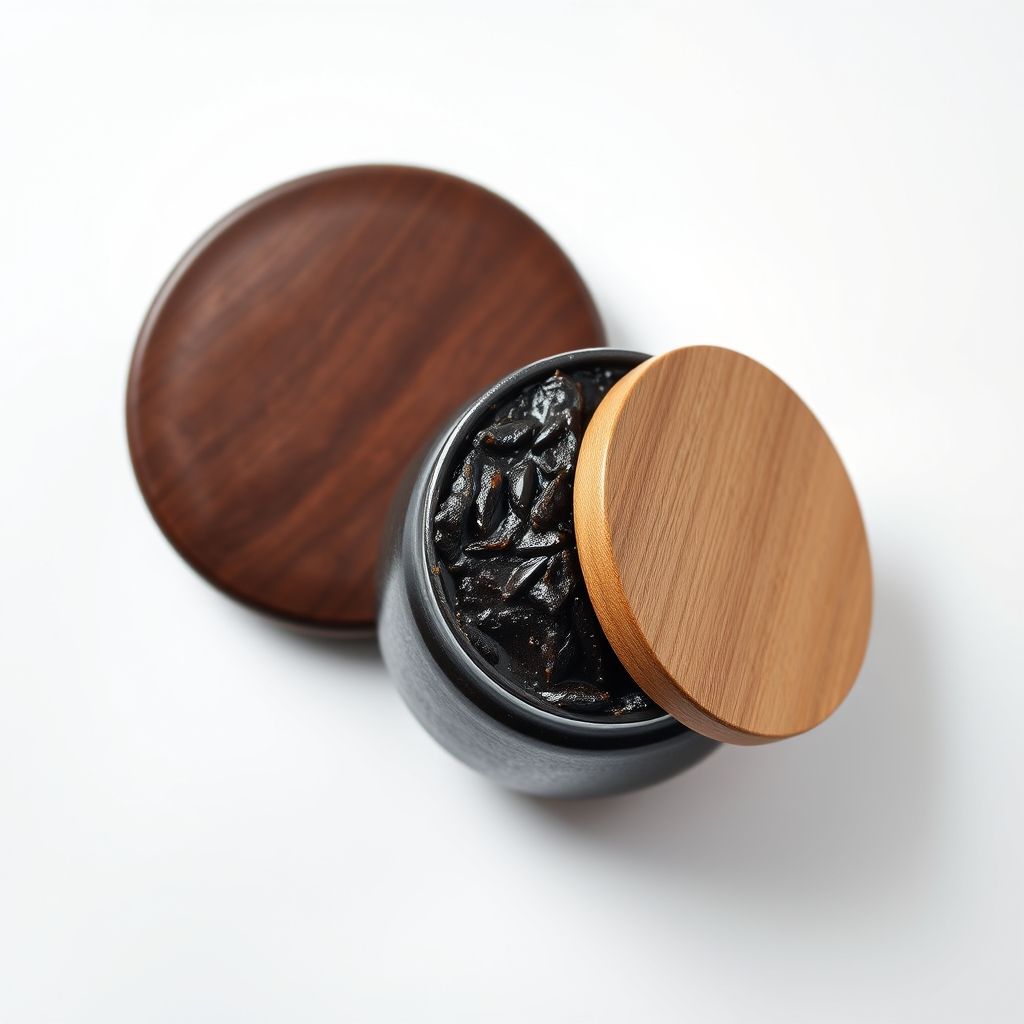
PantryRipe black olives, capers, garlic and a fair amount of our own oil, chopped coarse by hand so it still has some bite instead of turning into a paste. Good on warm bread, better spread under a lamb shoulder an hour before it comes out of the oven. There is no anchovy in it, which people either mind or are relieved by, so we say so up front. A hundred and eighty grams in a screw-top jar, and it keeps three weeks in the fridge under a film of oil once it is open.
R78.00Add to cart 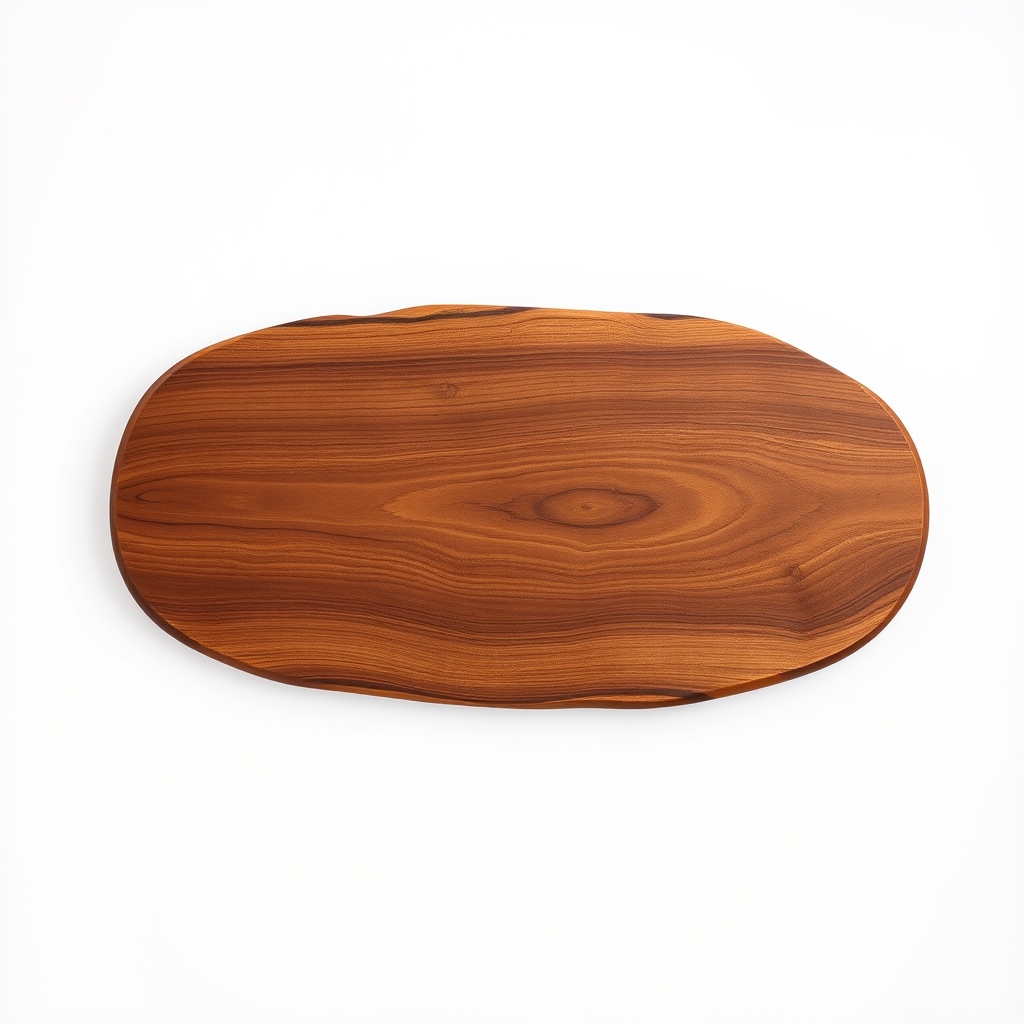
KitchenCut from a tree we lost in the 2019 drought and then stood in the shed for three seasons before anyone touched it, because olive wood dried in a hurry splits and there is nothing to be done about it afterwards. Shaped, sanded down to 400 and finished with nothing but our own oil, which you top up twice a year with whatever is open in the kitchen. Every board reads differently because the grain does, so the one that arrives will not match the photograph. Roughly 38 by 22 centimetres, and it does not go in the dishwasher.
R420.00Add to cart Andrea, third press
I am the third of us to run this mill. My grandfather planted the Mission trees along the Bothmaskloof road in 1961 and we still pick those first, by hand, because that ground is too steep for anything else. April is the whole year in three weeks. The green oil comes off the mill in the first days of the pick and it is finished by August, every single time — the people who know it phone me in March and ask me to put a case aside, and I do.
The mill runs from the first week of April until the trees are done
Everything on this page is pressed or cured within sight of it, and nothing is bought in from another farm. When a batch is finished it comes off the page until next April.


