Foolscap

Nobody can read what they cannot find

Foolscap photographs, catalogues and publishes collections that have spent forty years in a cupboard. Salt River, Cape Town — and a rig that travels when the paper cannot.

Start an enquiry

Two rooms behind the tile factory in Salt River

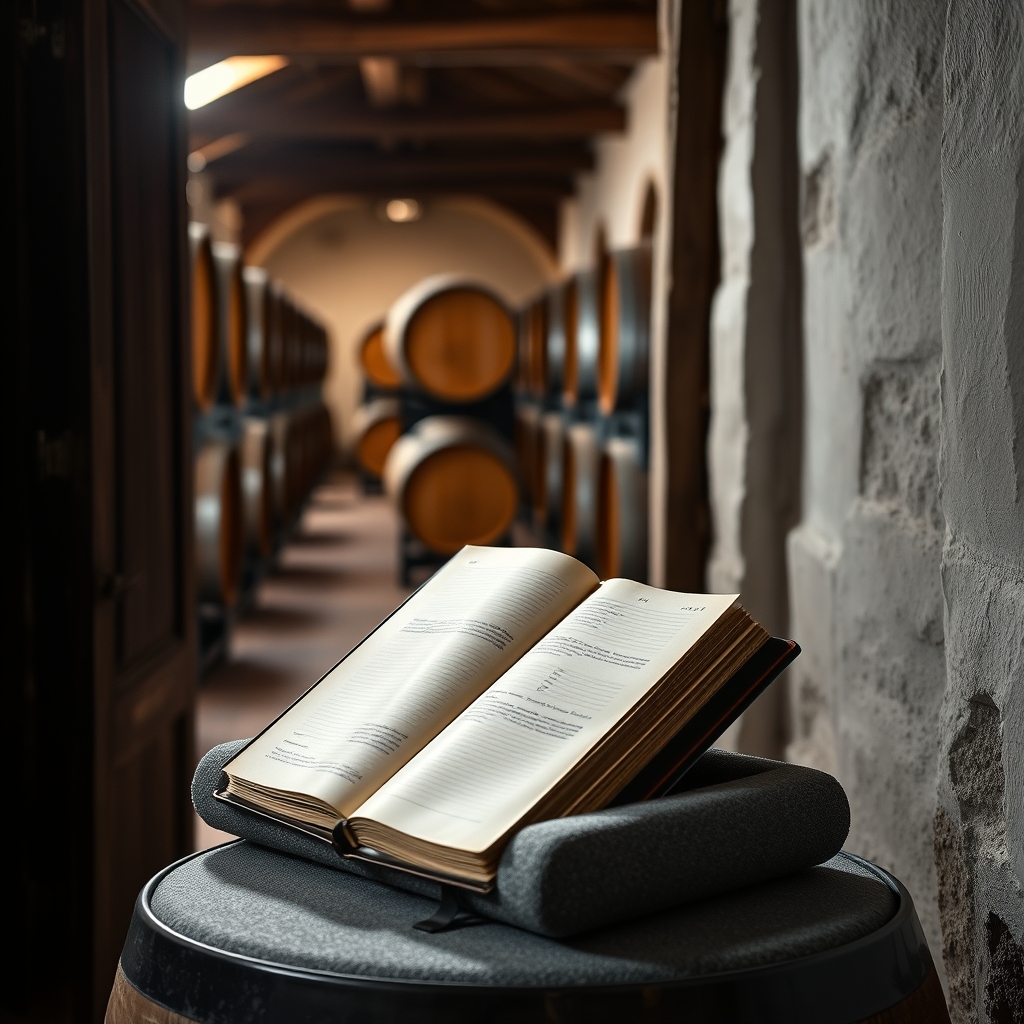
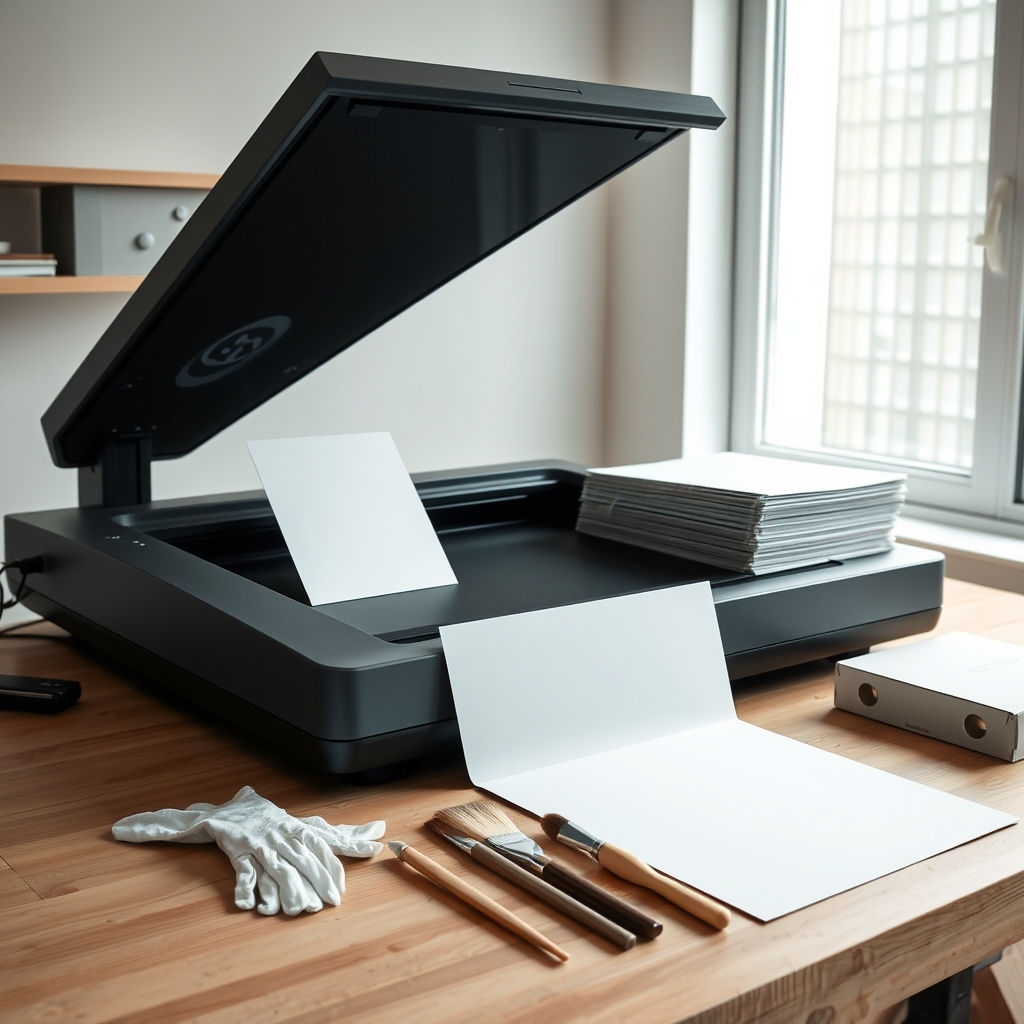
The front room holds the cradle — a book scanner whose glass opens to a hundred and twenty degrees, so a spine that has been shut since 1908 is never forced flat. Behind it there is a copy stand for loose paper, an A0 flatbed for plans, and a light box for glass negatives. Everything is shot against a colour target and profiled to it. We do not sharpen, we do not straighten, and we do not delete the frame with the ruler in it. What came off the sensor is what you get, with a second, tidier set alongside it. The room sits at nineteen degrees and fifty percent humidity, because a Cape summer will cup a page in an afternoon. No coffee past the door. Not precious — we have just seen what one mug does.
600 dpi, colour managed

A target in the first frame of every batch, and the profile built from it. No sharpening, no auto-levels, no silent cropping to make a page look tidier than it is.

Insured door to door

R2 million in transit and R5 million on site, with a condition report signed by both of us before a single box is lifted off the shelf.

The files stay yours

Raw TIFFs on two disks, handed over at the end of the job. Our working copy is deleted after ninety days and we tell you the day it goes.

Published, not just scanned

We build the site the collection lives on, hand over the login, and put the domain and the hosting bill in your name, not ours.

When the paper cannot travel, we do

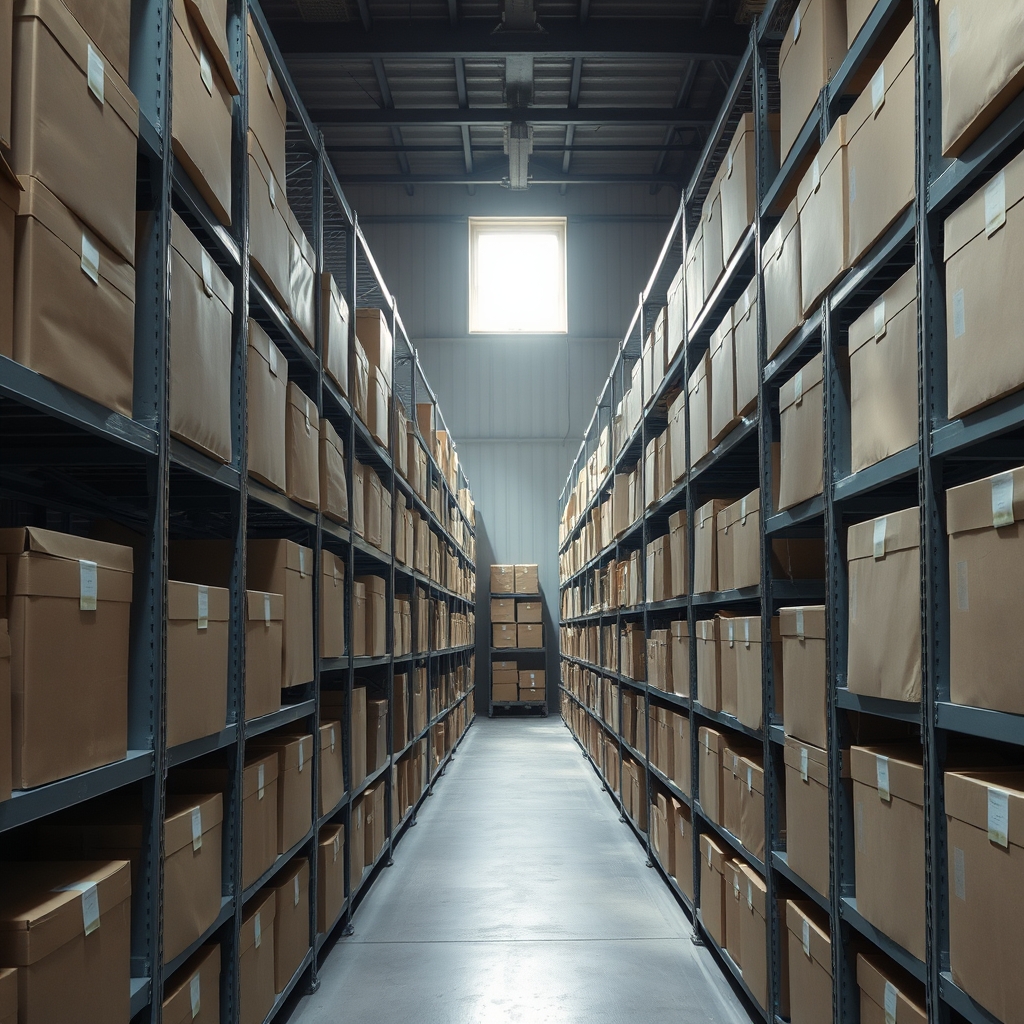
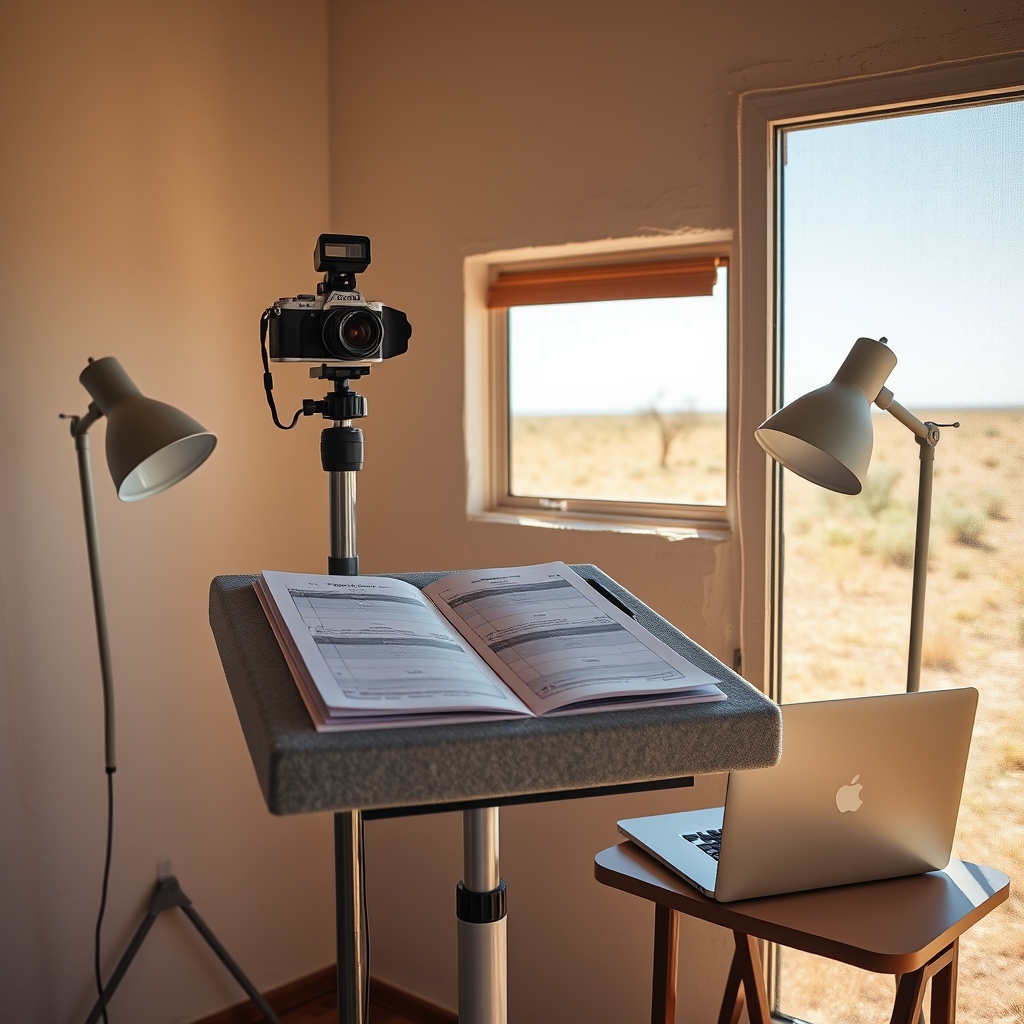
Half of what we photograph is not allowed to leave the building it lives in — title deeds, church registers, anything a magistrate has an opinion about. So the studio packs into six flight cases and a bakkie, and we set up in whatever room you can spare that has a plug and a door that closes. We have worked out of a vestry in Nieu-Bethesda, a boardroom in Braamfontein with the blinds taped shut against the north light, and a farm office past Sutherland where the power went at four every afternoon until we learned to plan the day around it. A travelling week is Monday to Friday, two of us, about four thousand pages a day on the cradle. You get the running count every evening, so nobody is guessing how far along we are.

Capture

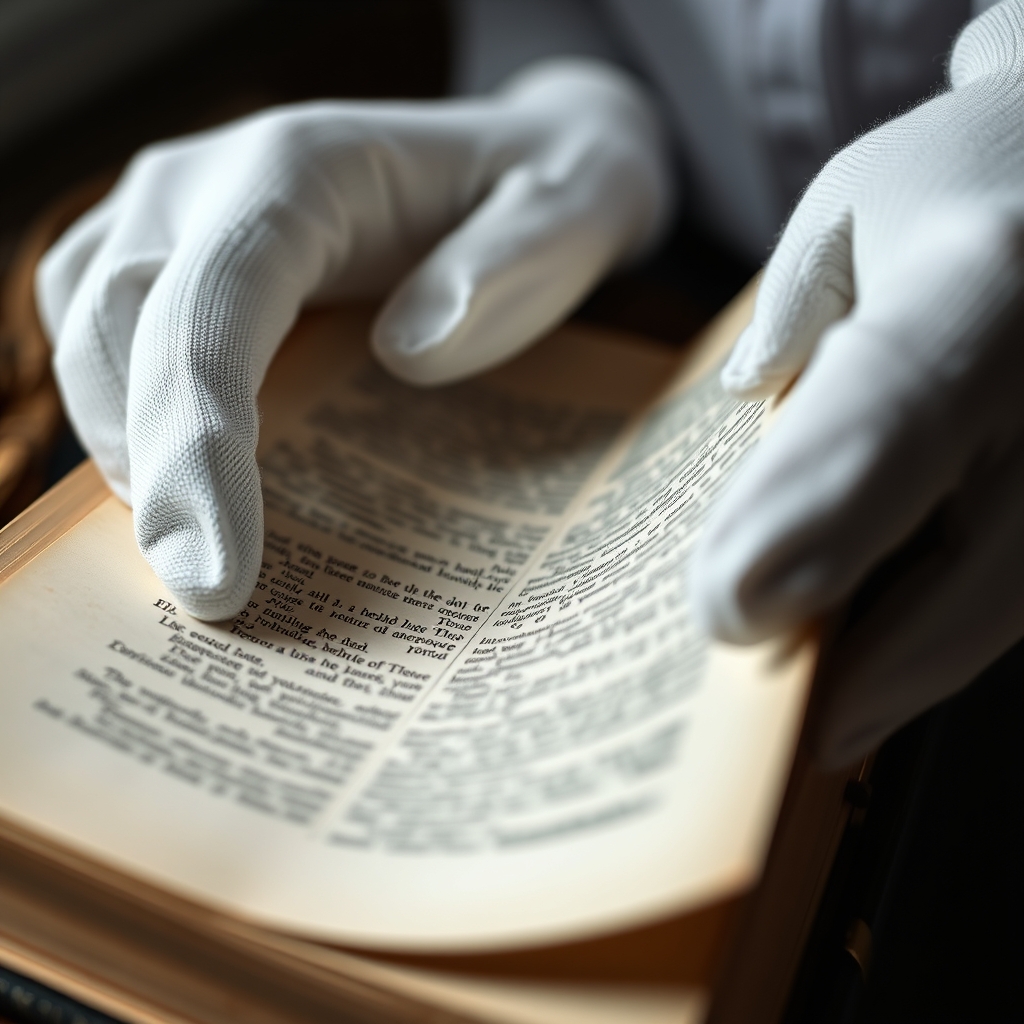
Cradle, copy stand, A0 flatbed or light box, whichever the item asks for. Bound volumes are never pressed flat, and nothing is unstitched, unstapled or trimmed to make our morning easier.

Catalogue

Somebody who can read the hand sits with the images and types what is actually on them: date, place, names, one line of description. Machines manage printed type after 1950 and are hopeless before it.

Publish

A search bar, a deep-zoom viewer and a download button, on your own domain. Plain enough that an old man with a tablet in Upington can use it without phoning anyone.

Keep

Two copies to you on disk, one held in Cape Town and one off-site in Gauteng for a year. After that you either take the storage over yourself or we quote you to carry on holding it.

What it costs

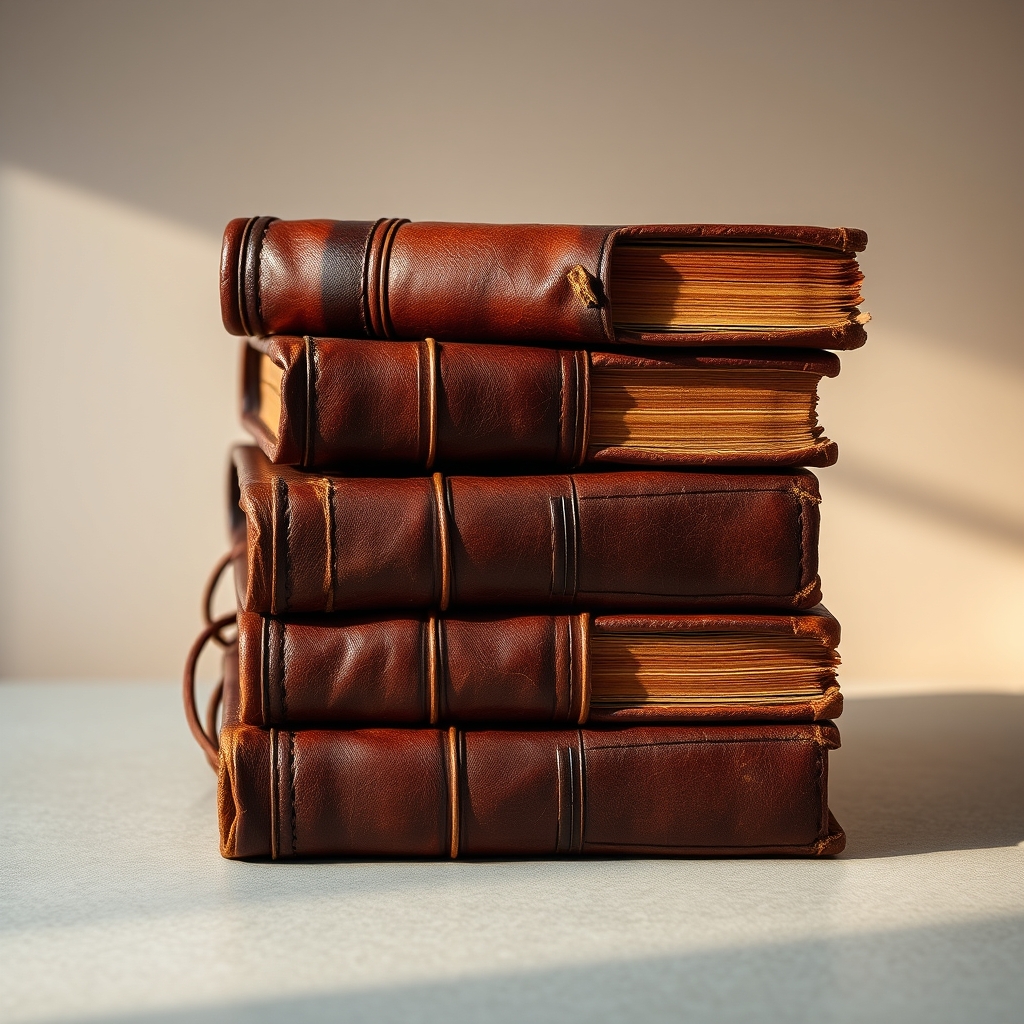
  • R11 a page — bound volumes to A3, 400 dpi in colour, shot open on the cradle. Five hundred pages is the smallest job we can price honestly.
  • R14 a page — loose paper to A3. Includes flattening, a repack into acid-free folders, and putting the box back the way we found it.
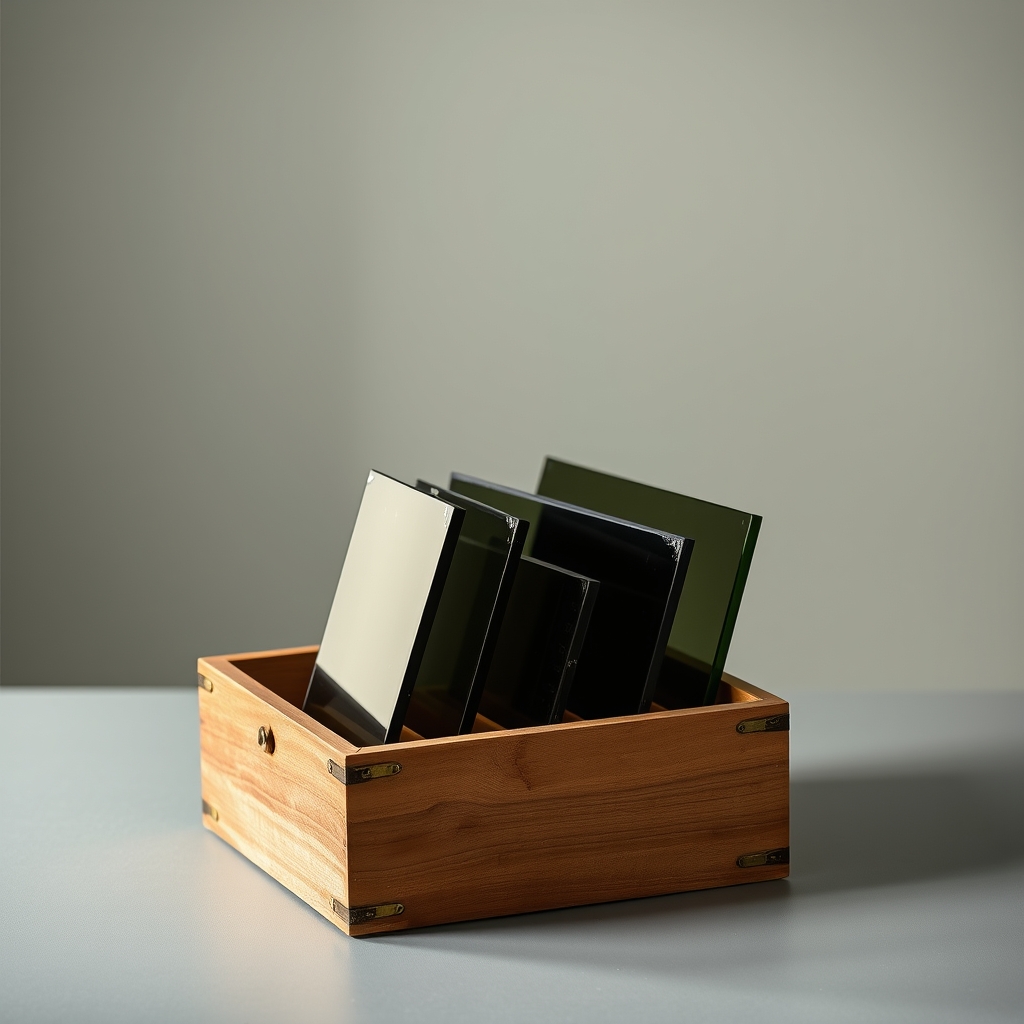
  • R38 a plate — glass and film negatives to five by seven, wet-mounted where the emulsion allows it and dry where it does not.
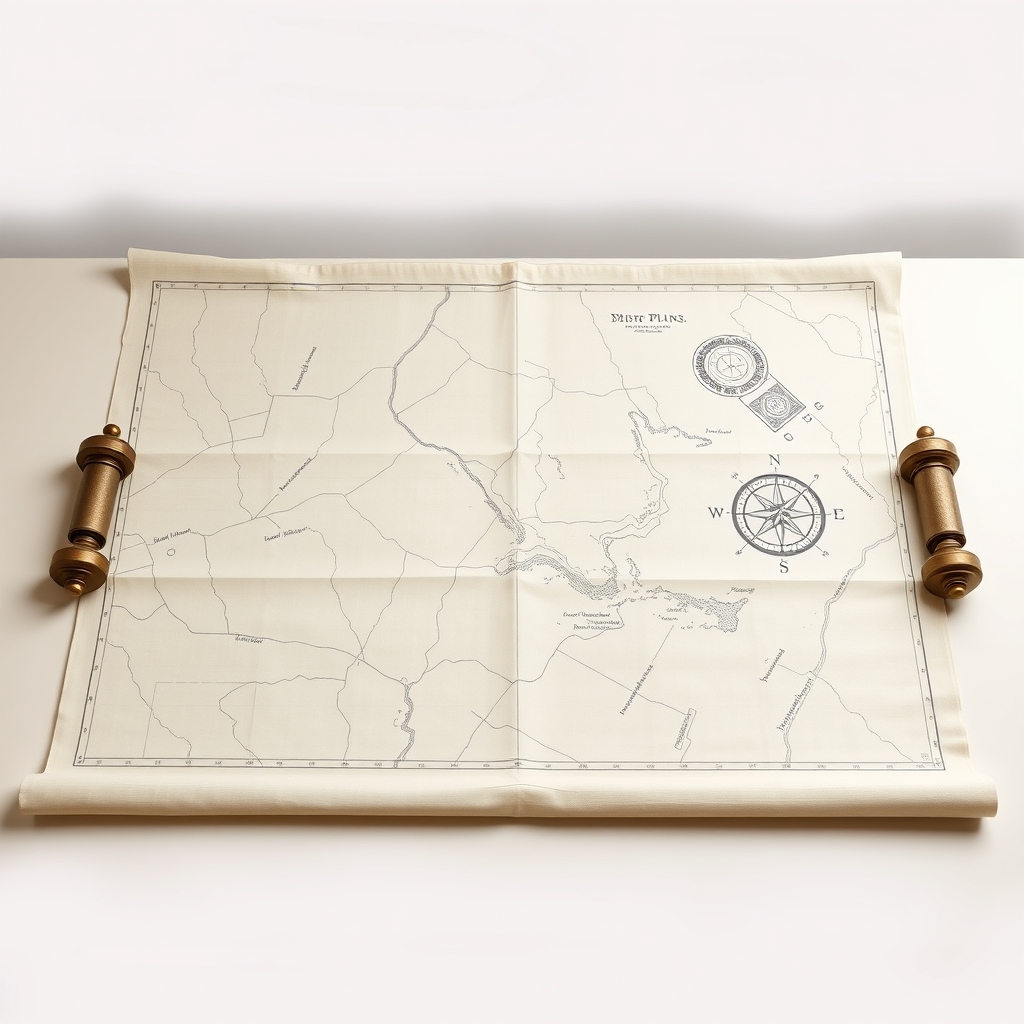
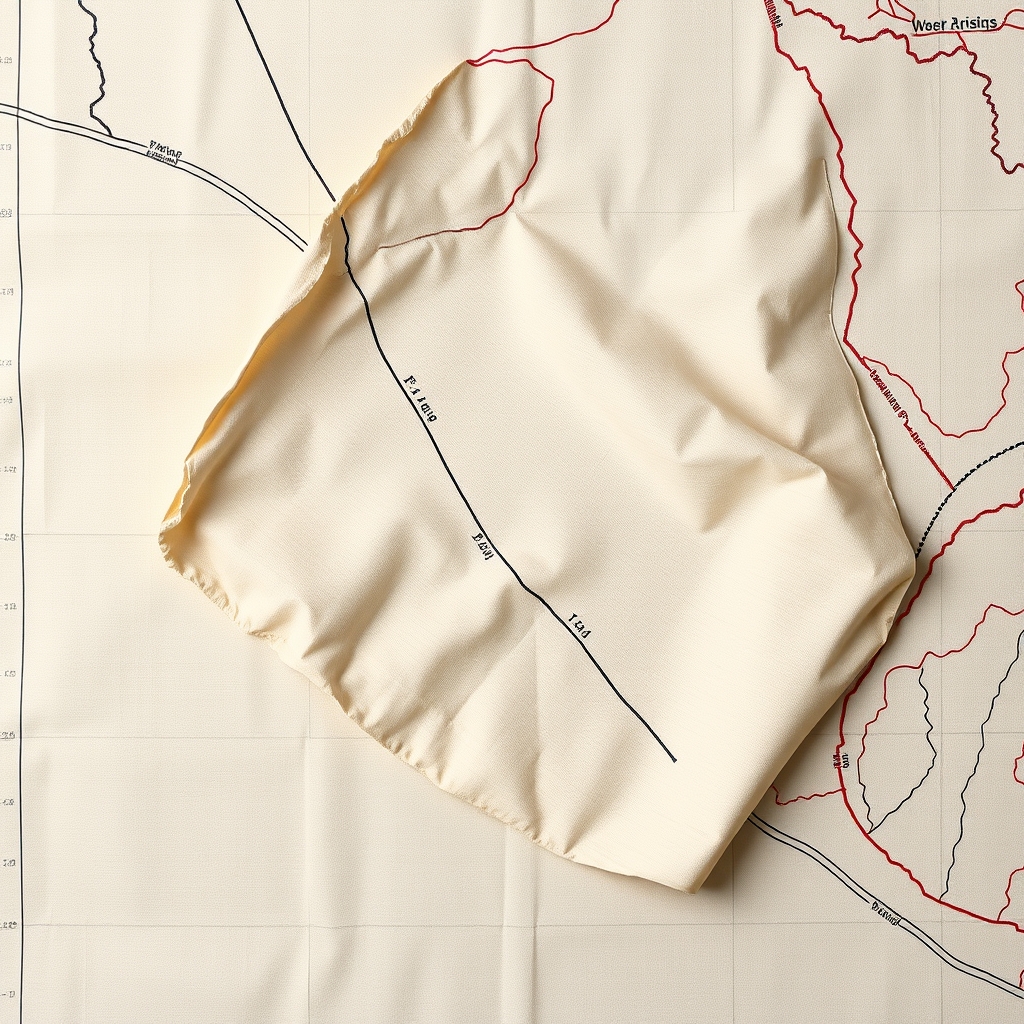
  • R95 a sheet — maps, plans and survey diagrams to A0, stitched from six frames so the linework still holds at full zoom.
  • R6 an image — cataloguing off the item itself: date, place, names and one line of description, typed by a person who can read the hand.
  • From R48 000 — the public site, with search, viewer, downloads and the first year of hosting. R390 a month after that, billed in your name.
For twenty years we were told the plates were too fragile to open. Foolscap did the whole box in nine days without unstacking it twice, and my mother — she is eighty-nine — found her grandfather's face on a telephone, at the kitchen table, in the same house he was photographed in.
Elmarie Bester, Bester family trust, Graaff-Reinet

Tell us what you have

A photograph of the shelf, taken on your phone, tells us more than three paragraphs will. Send that and we come back inside two working days with a range, not a number.

On the shelf in the studio this season