Headgear Simulation

Make the mistake in the headset

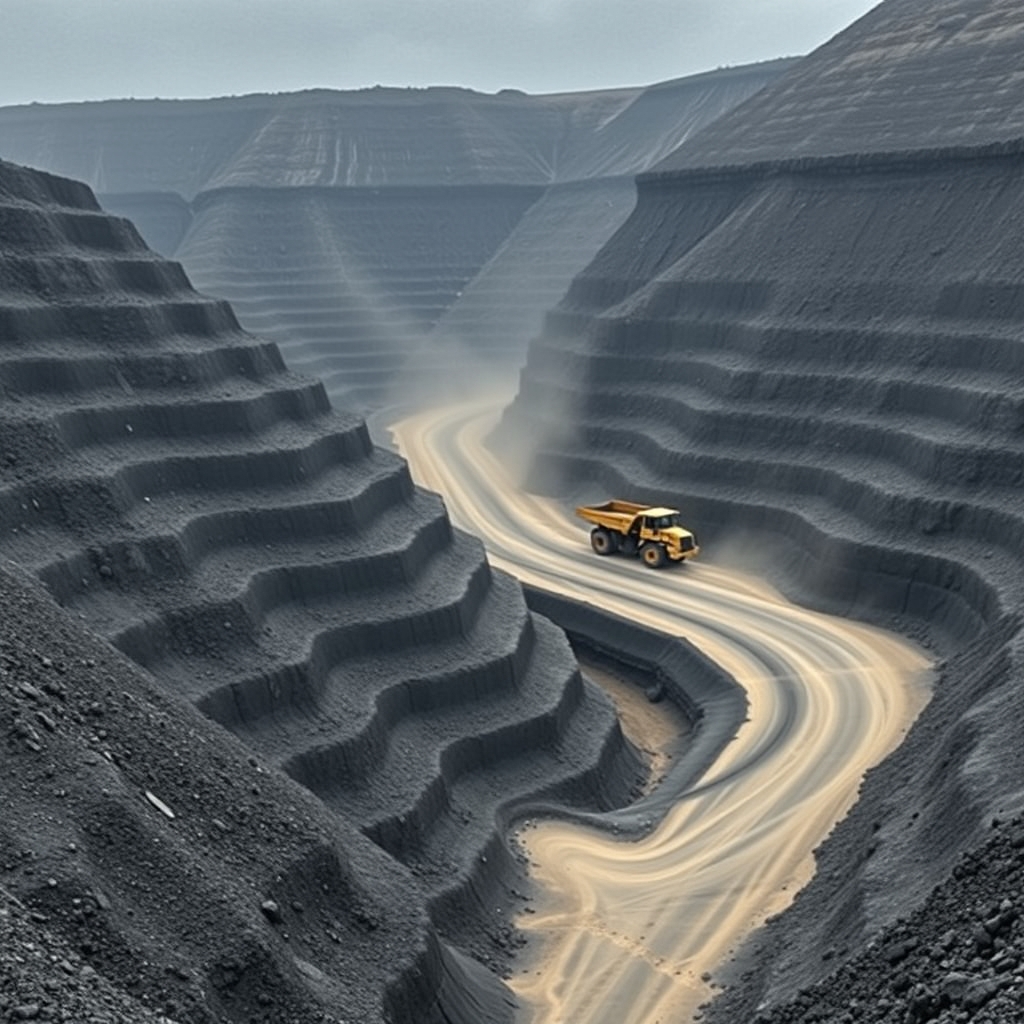
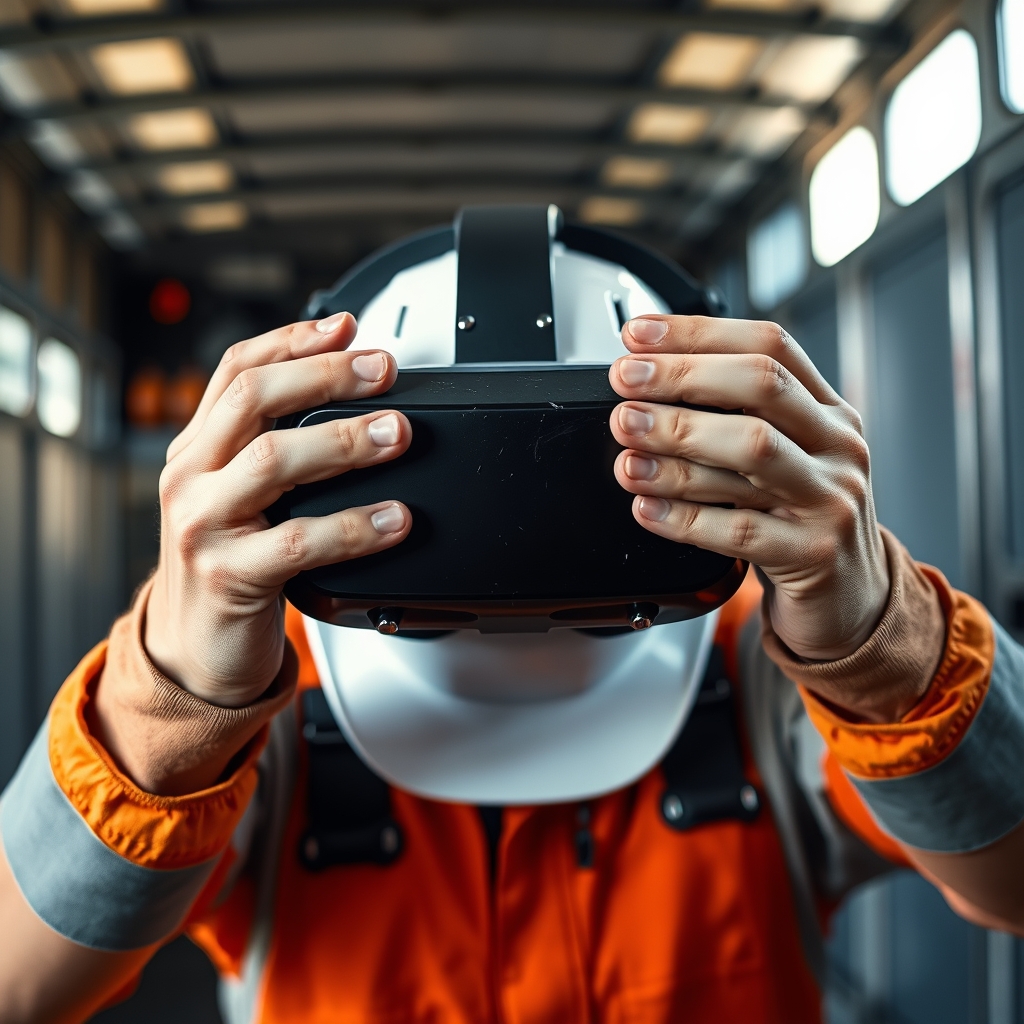
Fall-of-ground, tramming and gas scenarios run in a training room on surface, at full speed, with nobody underground. Two headsets, a tracked floor and an operator who can stop it mid-fall and ask what you just did.

See the programmes

Six scenarios, and what each one is for

Every one of them runs in the same pod. You choose which of them a crew goes through, and in what order.

Fall of ground

Barring down a bad hanging, sounding it, and knowing what a drummy one sounds like before it lets go. The learner makes the call, and when the call is wrong the block comes down where they were standing. Most people do not get it right the first time, which is the whole reason for doing it up here.

Machine tramming

LHD and drill rig, with real control handles bolted to the rig in the pod so the muscle memory transfers. Blind sides, tramming past a re-mucking crew, and the pedestrian who steps out of a cubby at exactly the wrong moment.

Gas and ventilation

Reading the instrument, working out what a climbing methane number means in the next twenty metres, and making the withdrawal decision. It includes what the reading does when a fan stops, which is hard to teach off a slide.

Working at height

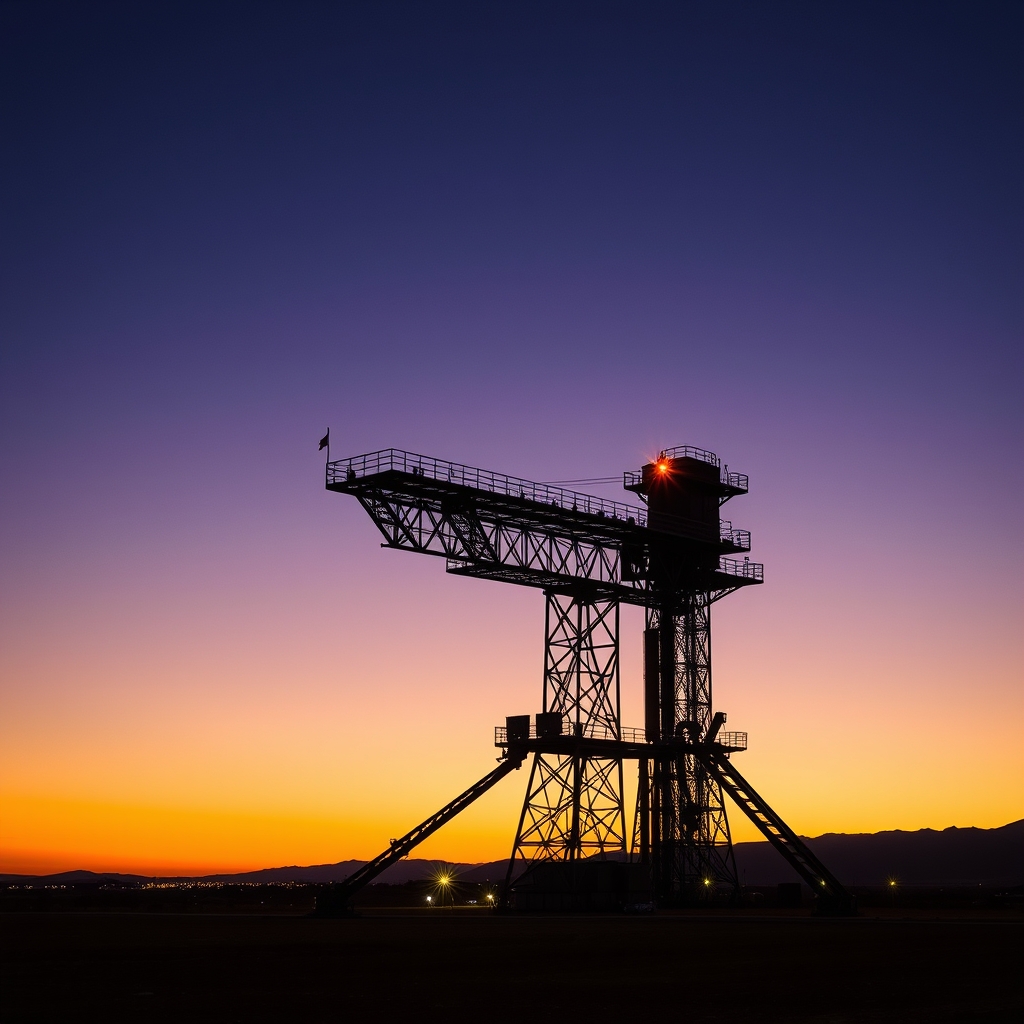
Shaft steelwork, headgear platforms and conveyor gantries. Choosing an anchor, clipping in the right order, and moving along a line without ever being off it. The drop is a loose plank that is not where the learner thinks it is.

Lock-out

Isolate, lock, tag, try. Run on a conveyor and again on a pump start, with a second person in the scenario who walks up and tries to start it while the learner is on the belt. Nobody is signed off until they have caught him.

Emergency egress

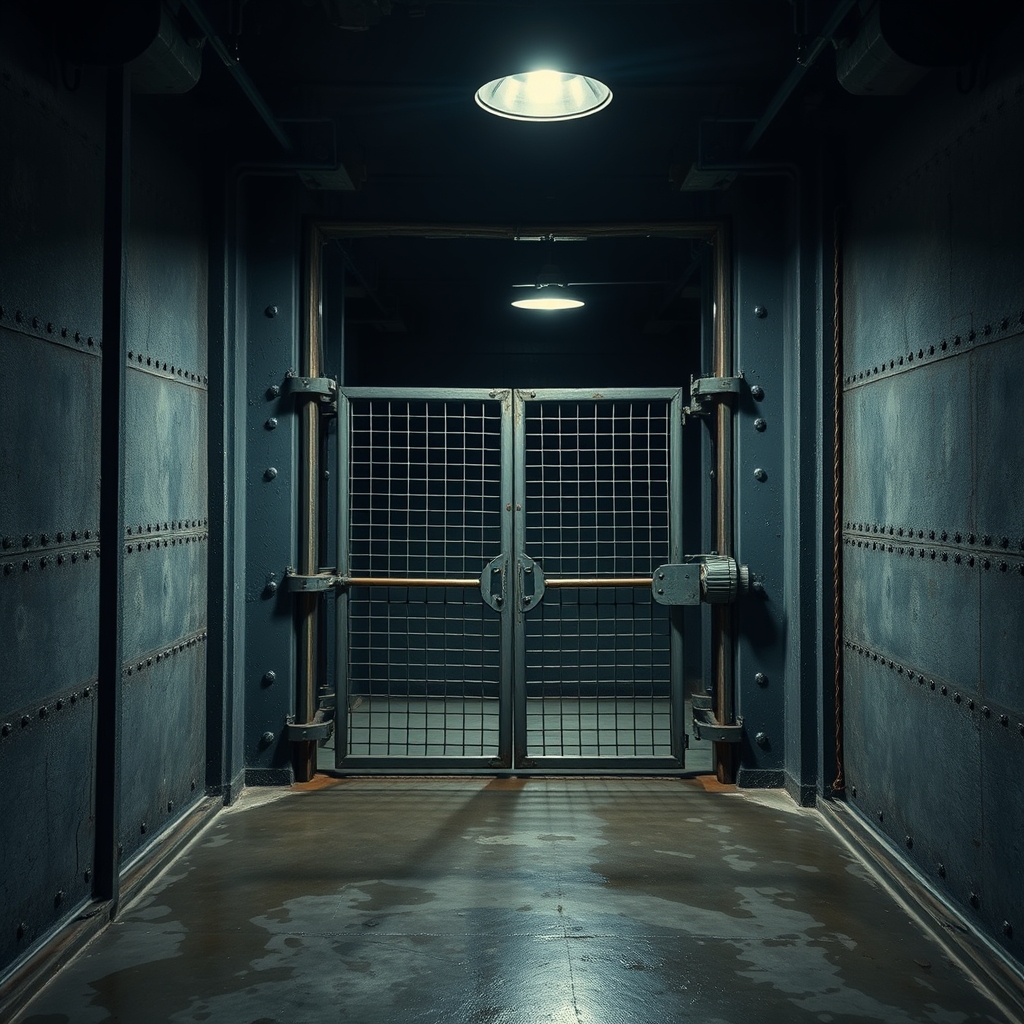
Finding the refuge bay in smoke, donning a self-rescuer inside the time, and following the escape route when the lights are gone and the tags are the only thing left to read. It is timed, and the time goes on the sheet.

What a pod actually is

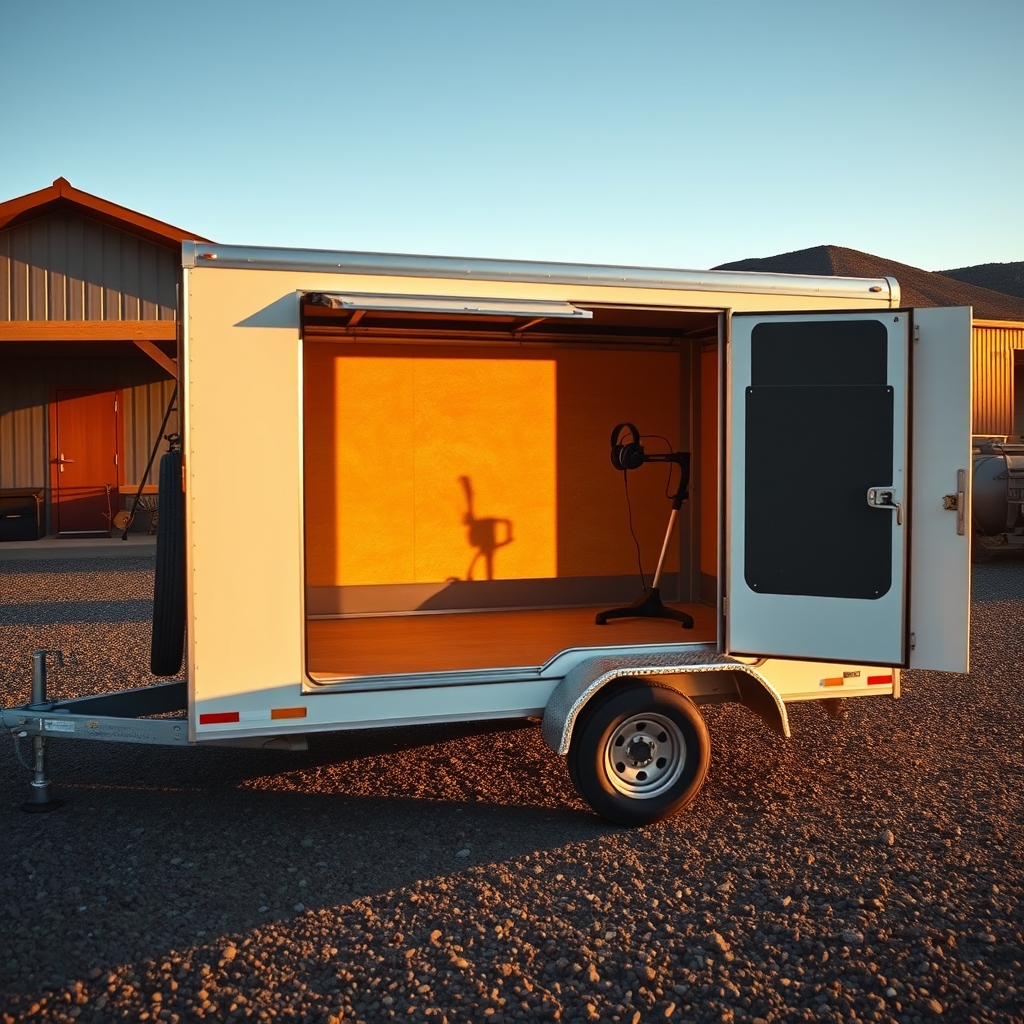
A pod is a six-metre site trailer with two headsets in it. Inside there is a bare tracked floor, four metres by four, marked out on the deck with tape; a bench with the two rigs on charge; a screen on the wall so the rest of the crew can watch what the learner is seeing; and an operator standing at the door. That is the whole thing. It arrives on a low-bed, gets dropped on any level hardstand with twelve by six metres of clear space around it, and it is running about ninety minutes after the driver pulls off. It takes your site power — one 32-amp single-phase point at the trailer — and if you cannot give us one there is a small genset in the nose that will do a shift on forty litres. Twelve learners an hour is the honest number: a forty-minute scenario, the fitting and the wipe-down between people, and the operator writing up the sheet. Over a full shift with a proper handover at crew change we get through ninety-six. We have run two pods side by side at a Carletonville shaft when a contractor had four hundred people to induct in a week, and that is the only way we have found to move that many without the queue becoming the training.
What it costs

Prices exclude VAT. Travel is included anywhere in Gauteng, North West and Mpumalanga; Kathu and Richards Bay carry a low-bed charge we quote up front, never after.

Refresher

R950 a learner
  • Forty minutes in the headset
  • One scenario, repeated until it is clean
  • Annual re-induction sign-off
  • Minimum twenty learners a booking
Book refreshers

Full induction

R2 400 a learner
  • Three hours across four scenarios
  • Written assessment on the tablet after
  • Certificate, plus a copy for your file
  • Minimum twenty learners a booking
Book an induction

Site pod

R46 000 a month
  • Pod and operator on your property
  • Up to ninety-six learners a shift
  • Scenarios cut to your own workings
  • One month at a time, thirty days notice
Enquire about a pod

Group programme

From R380 000 a year
  • Three or more shafts on one contract
  • Pod rotates on a published calendar
  • Quarterly report to the SHE manager
  • Two scenarios built for the group
Talk to us

In every programme, on every tier

  • A trained operator in the room for every session. The headsets are never handed to a crew and left with them.
  • Every attempt recorded against the learner, so the sheet in the file says what they actually did — not that they attended.
  • Audio in English, isiZulu, Sesotho and Fanagalo, switched per learner at the start of the session, not per group.
  • Section 10 training records exported into your own system, or handed over as a signed PDF pack if you would rather.
  • Headsets sanitised between learners and replaced every eighteen months, whether they look worn or not.
  • A scenario change after an incident on your mine, built and loaded within ten working days, at no charge on any tier.

Bring a shift through before you commit

We will park a pod at your gate for a morning and put twenty of your people through the fall-of-ground scenario. No charge inside Gauteng, North West and Mpumalanga. If the SHE manager is not convinced by lunch we hook up and go.

Book a walkthrough

Book a walkthrough

Headgear Simulation (Pty) Ltd Unit 7, Chamdor Industrial Park, Krugersdorp 1740 011 762 3308 · after hours 082 559 4471 bookings@headgear.co.za The pods live on the road. Tell us which shaft you are on and the enquiry goes to whoever is closest to you.

How many people, by when, and which of the six scenarios matter most on your operation.