The people who collect it own the yard
A reclaimer-owned buy-back centre in Marlboro South, with rounds working Kew, Wynberg and Alexandra. Everything is weighed in front of the person who carried it in, and paid out in cash before they leave.
Get involvedWe work with
- City of Johannesburg · Pikitup
- Marlboro South business park
- Alexandra Reclaimers' Committee
- Ekurhuleni waste pickers' forum
- Two Gauteng paper and PET mills
- Three schools on term drives
A round, a table and a scale
Most of what gets recycled in this country is recovered by people pushing trolleys, not by a municipal truck. This is what that work actually looks like, from the first street at half past five to the last payout at four.
On the kerb
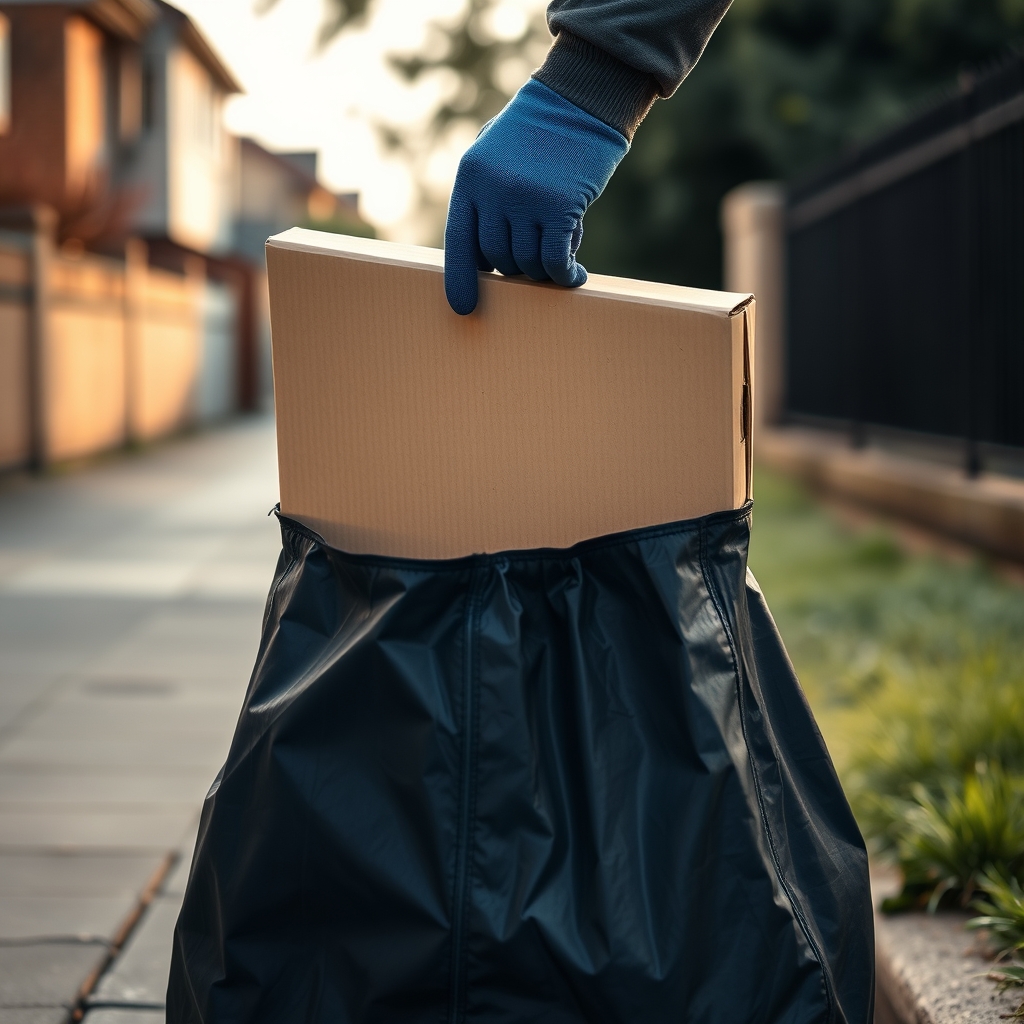
The round starts at half past five, before the school traffic. Twenty-two members work fixed streets in Kew, Wynberg and Marlboro South, so households know whose bags are whose and nobody doubles up on a road.
Nothing gets tipped out on the pavement. The bag goes onto the trolley as it is, and the pavement is left the way it was found.
On the table
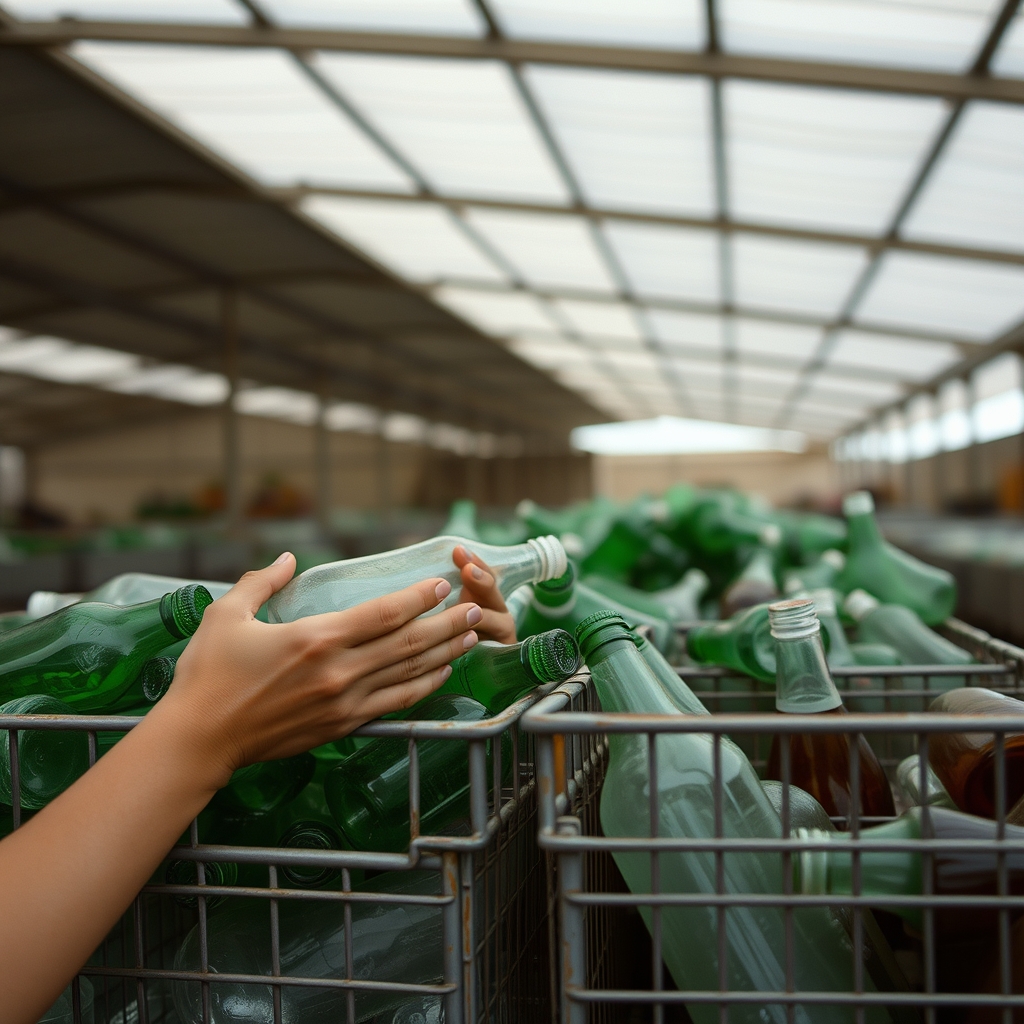
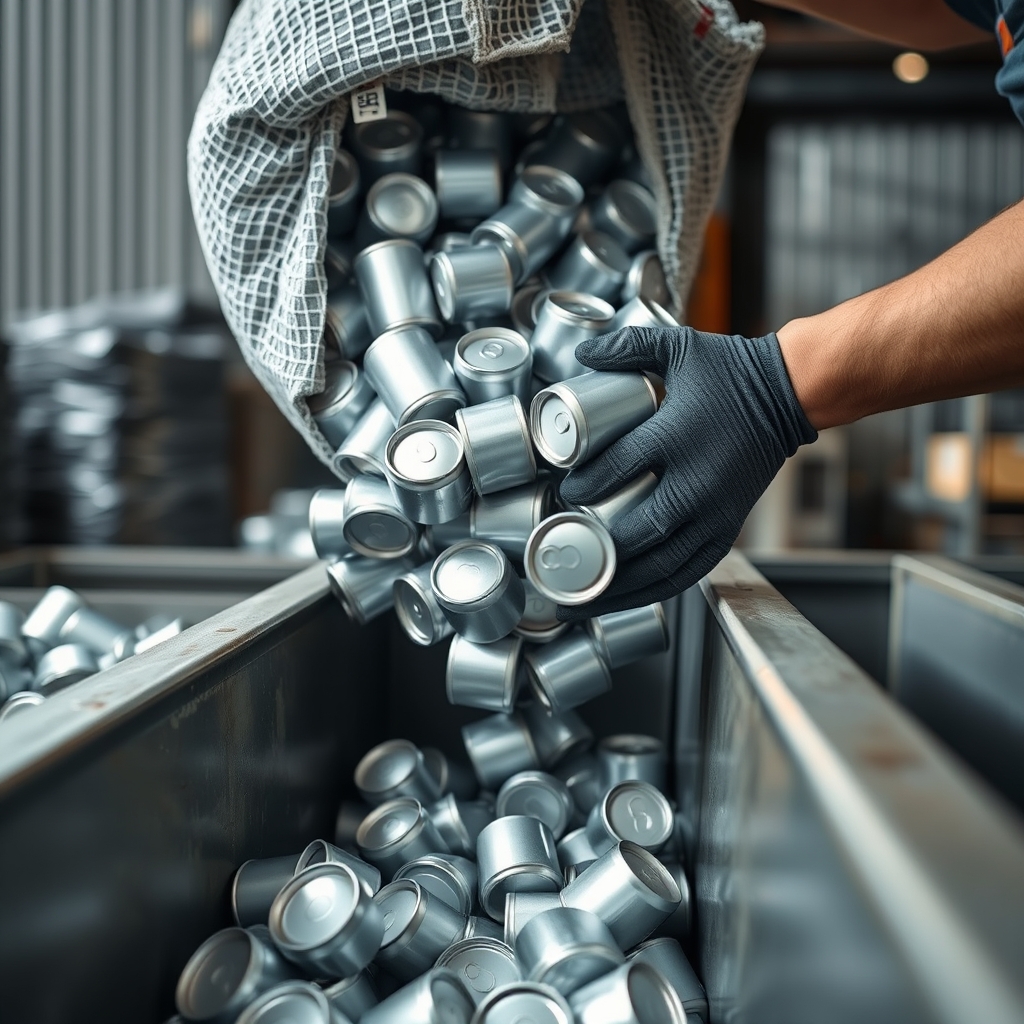
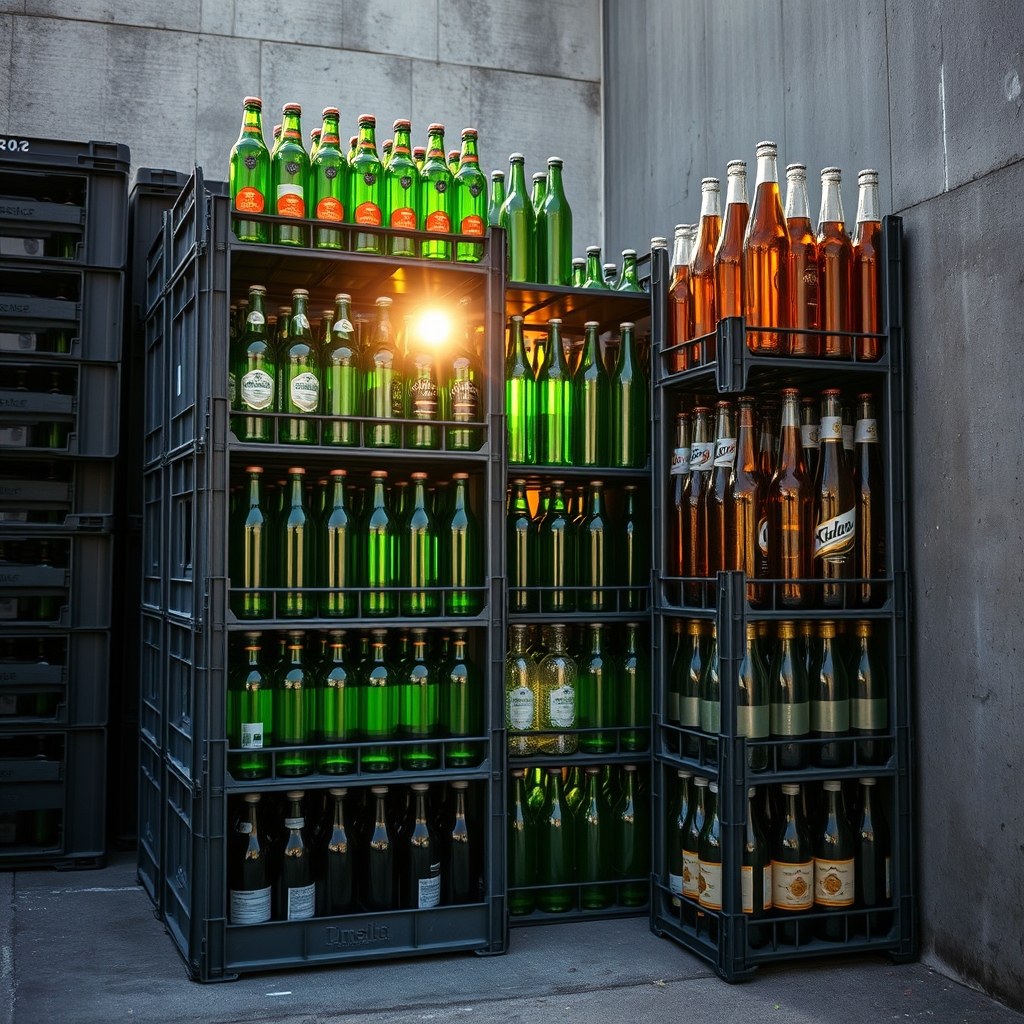
Everything comes back to the shed and goes onto the sorting table before it goes anywhere near a bale. Clear PET off coloured, HDPE off PP, K4 cardboard off white paper, cans off tin.
Grade is the whole job. One wrong bottle in a bale can drop the price a full rand a kilogram, so we sort slowly and we open anything we are not sure about.
On the scale
The scale stands at the door and the price board hangs above it, rewritten every Monday morning. This week: clear PET R3.20 a kilogram, K4 cardboard R1.30, HDPE R4.10, aluminium cans R14.50, glass 60c.
You watch the digits settle, you sign the slip, and you are paid in cash before you walk out. No cards, no accounts, no waiting for Friday.
Two of the twenty-two
I pushed to Wynberg and back for eleven years and never once knew the price before I got there. Now it is on the board when I walk in, and the scale faces me instead of the buyer.
The co-op stood surety for my trolley and my gloves when nobody else would. Last winter it paid out on a week I was sick, because the round kept going without me.
What it changes
Six things we can actually show you on paper, and none of them are about a logo on a bin.
Fewer municipal trips
Material that never reaches a municipal truck is a trip the city does not pay for. Kerbside tonnage to landfill from these four wards is down about a fifth since the yard opened in 2021.
The money stays local
Every rand over the scale goes to a member living within eight kilometres of it. A full-time member on a good round clears R4 500 to R6 000 in a month, banked or in hand.
Metal saves the most power
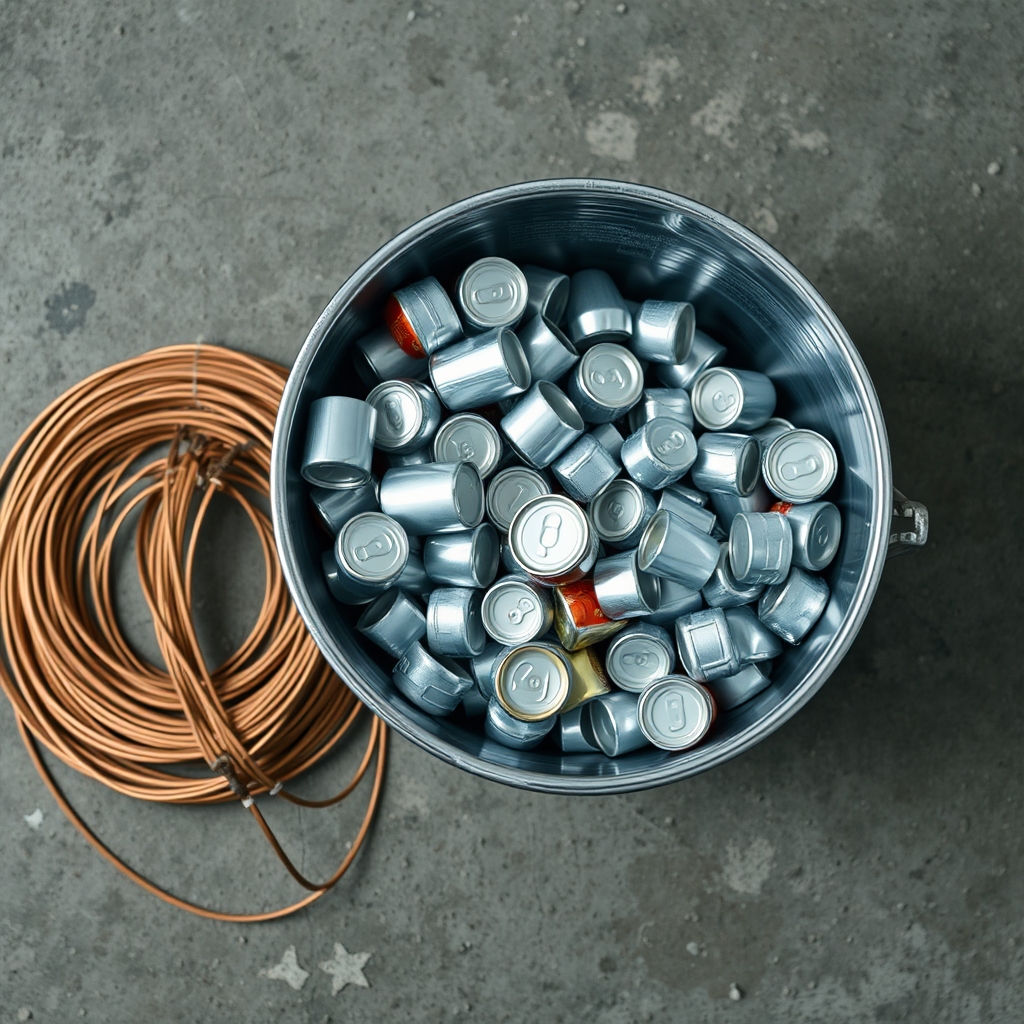
Recycling aluminium takes roughly a twentieth of the electricity of making it new. On this grid, in this country, that is the single biggest saving on the list.
Airspace at the landfill
The sites taking Johannesburg waste are filling faster than anyone planned for. Every tonne baled here is a tonne that never gets weighed in at one of those gates.
Numbers you can audit
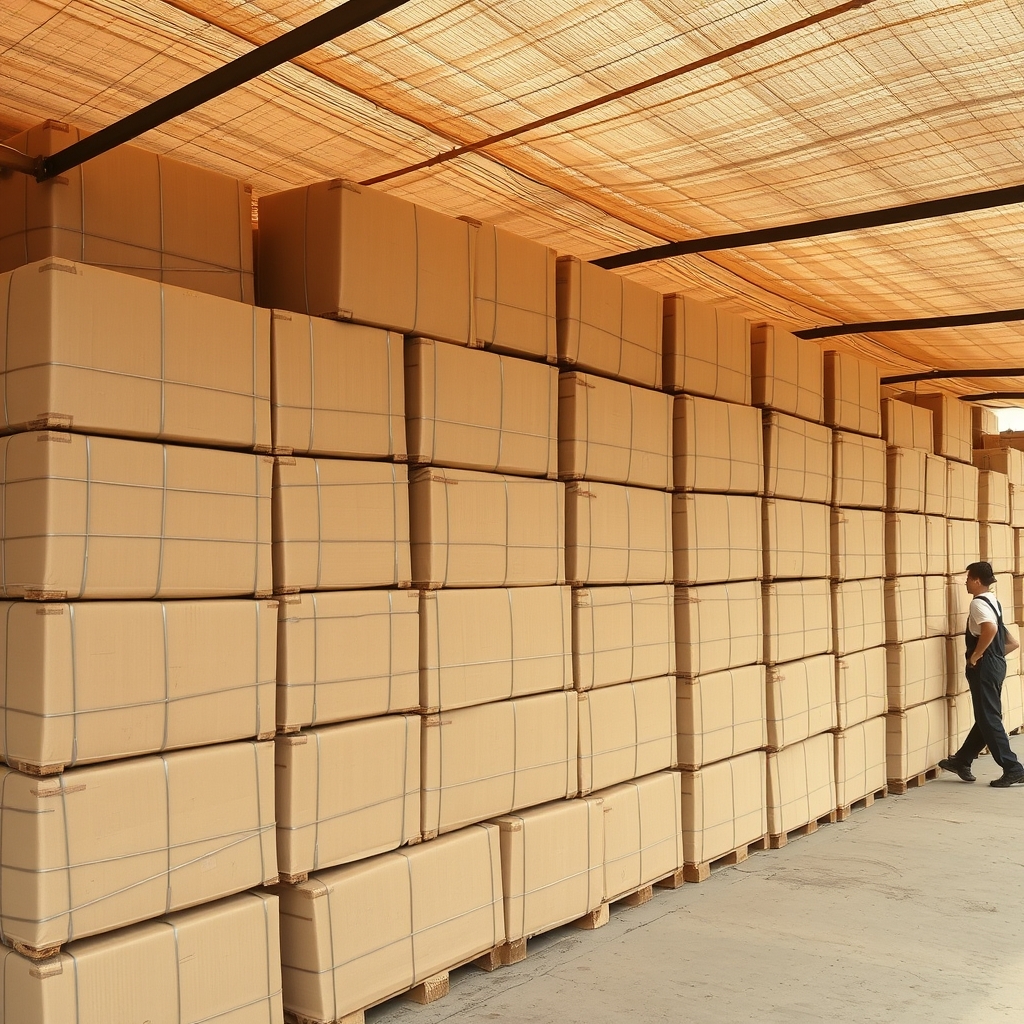
Every intake is weighed, ticketed and totalled. Businesses on a collection contract get a monthly certificate with the tonnage, the grades and the mill it went to.
Safer than the street
Members work with gloves, boots and a card with their own name on it. The yard is fenced and lit, and a nurse comes through on Wednesday mornings.
One Thursday on the Kew round
Filmed by a member on a phone in June and cut to nine minutes: half past five at the depot, through the round, to the payout at four.
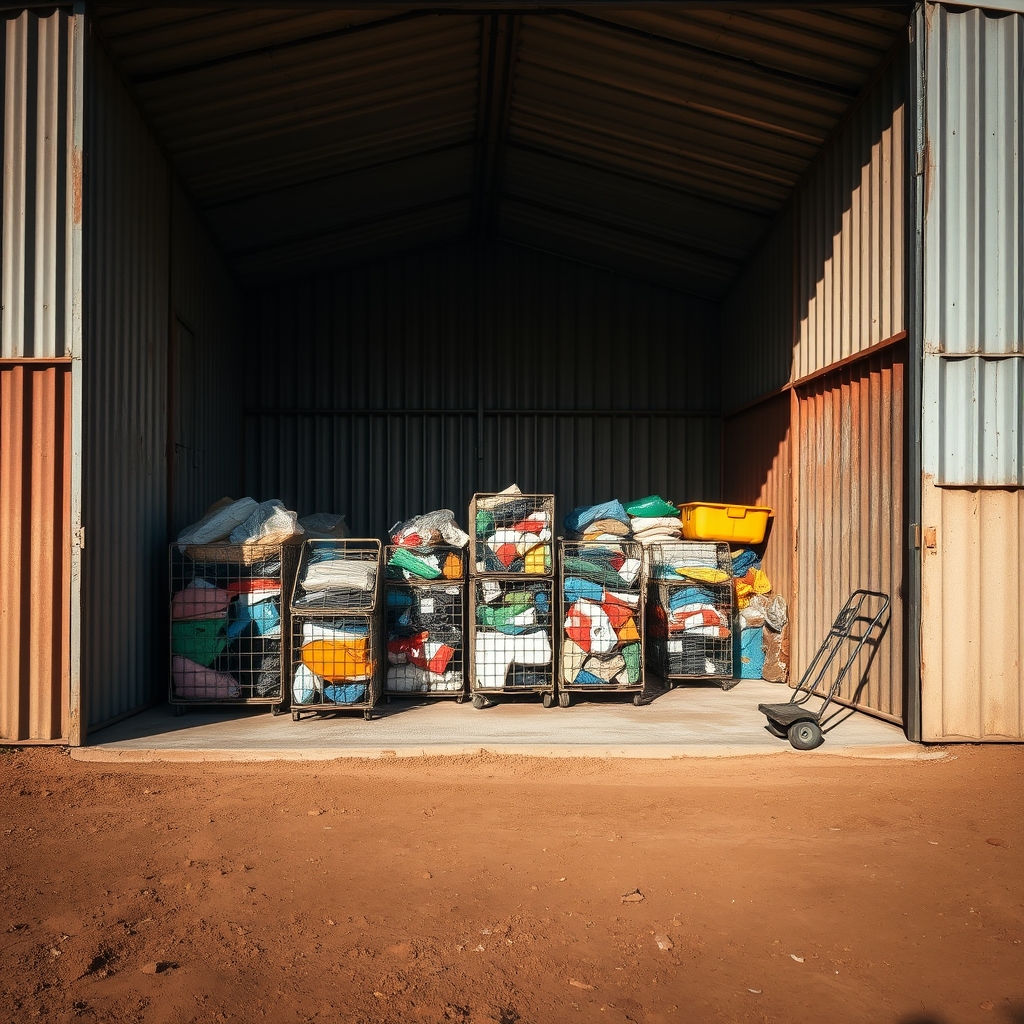
The yards
Put your bags out on a Thursday
If you are in Kew, Wynberg or Marlboro South, the round already passes your gate. Separate the dry stuff into any bag you like and stand it next to the bin — the sorting is our job, not yours.
Get involvedGet involved
Three reasons people write: to join the round, to book a weekly business collection, or to bring a load to the gate. 12 Fifth Street, Marlboro South — weekdays 07:00 to 16:00, Saturday till noon. WhatsApp 072 481 3390.