The parts nobody else can reach
Industrial rope access, inspection and repair. Stacks, cooling towers, headgear, silos, masts and bridges — out of Middelburg, and usually on site inside the week.
The job registerWhat we get called in for
No scaffold, no cherry picker, and no shutdown you have to budget for a year in advance.
Structural inspection
Close visual on flues, towers, headgear, conveyors and masts. You get photographs taken at arm's length instead of a 200-pixel smudge shot from the ground with a long lens.
Non-destructive testing
Ultrasonic thickness, magnetic particle and dye penetrant done on the rope, by technicians who hold both the access ticket and the NDT one — so nothing waits for a second crew to fly in.
Concrete and steel repair
Spalling, crack injection, plate patching and bolt replacement. We carry the mix up with us and we carry every bit of the rubble back down again.
Coatings and sealing
Surface prep, epoxy and elastomeric systems on flues, silos and water towers, with wet-film readings logged panel by panel and handed over the same day.
Confined space
Entry, standby and retrieval inside boilers, ducts, digesters and hoppers. Gas tested before you go in, while you are in, and on the way back out.
Rescue standby
Two technicians, a stretcher and a written plan, sitting at your shutdown for as long as your own people are at height. Most sites only find out they needed it once.
Why a rope and not a scaffold
A 220-metre flue takes about nine days of scaffold, a crane window, and a section of the plant fenced off while it goes up. Four rope technicians rig the same flue before nine in the morning and are inspecting it by ten. On the last three stack surveys we did, that difference came to somewhere between R400 000 and R900 000 of access cost that never happened — and none of it appeared on our invoice.
That is the whole argument, and it only holds if the people on the rope are the real thing. Every technician who works for us is IRATA certified, logged, and re-assessed every three years whether the site asks to see the card or not. Two of us are Level 3. Nobody goes over an edge alone, and nobody goes over an edge without a written rescue plan that names the person who would come and fetch them.
We are not the cheapest quote you will get. We are usually the one that finishes inside the outage window, which is the only number your plant manager is actually being measured on.
The people who go over the edge
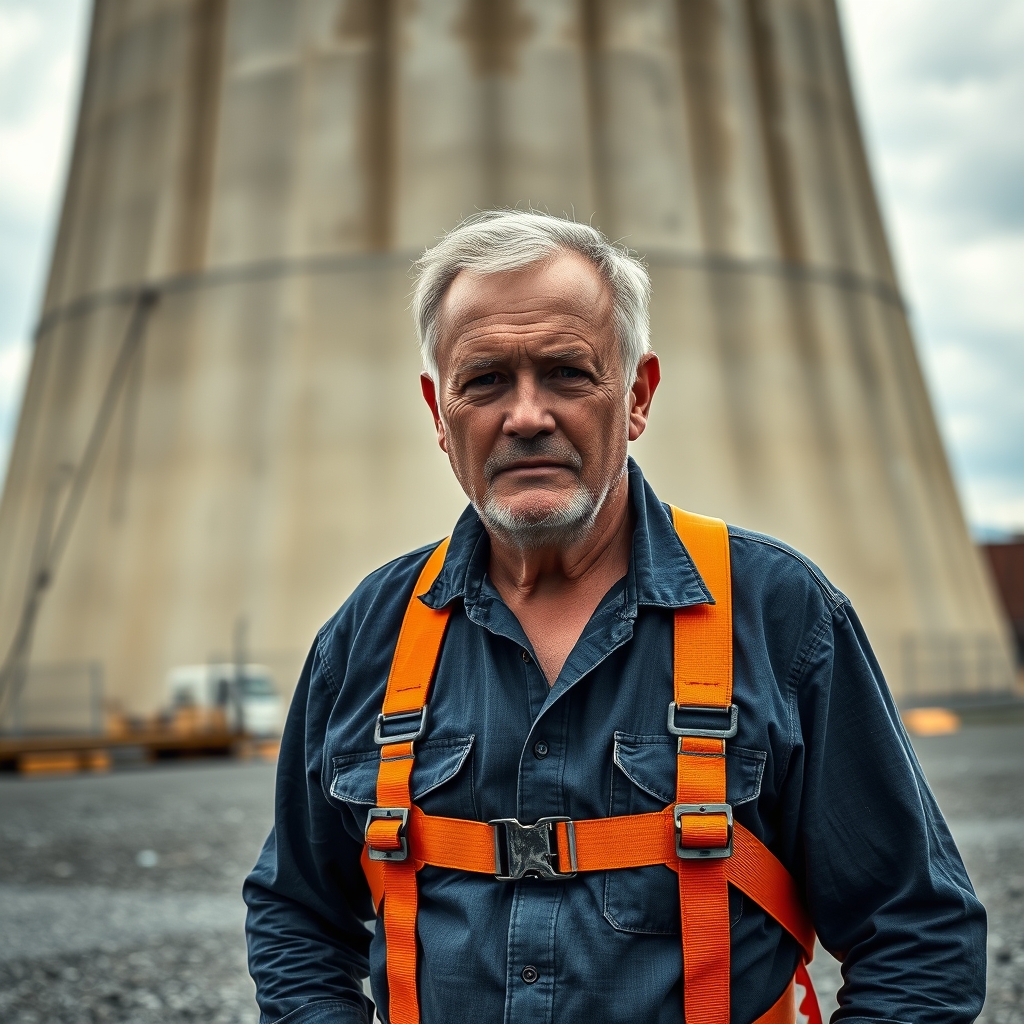
Nineteen years on ropes, eleven of them on coal-station flues in the Witbank coalfield. Writes every rescue plan himself and will not sign one he would not use.
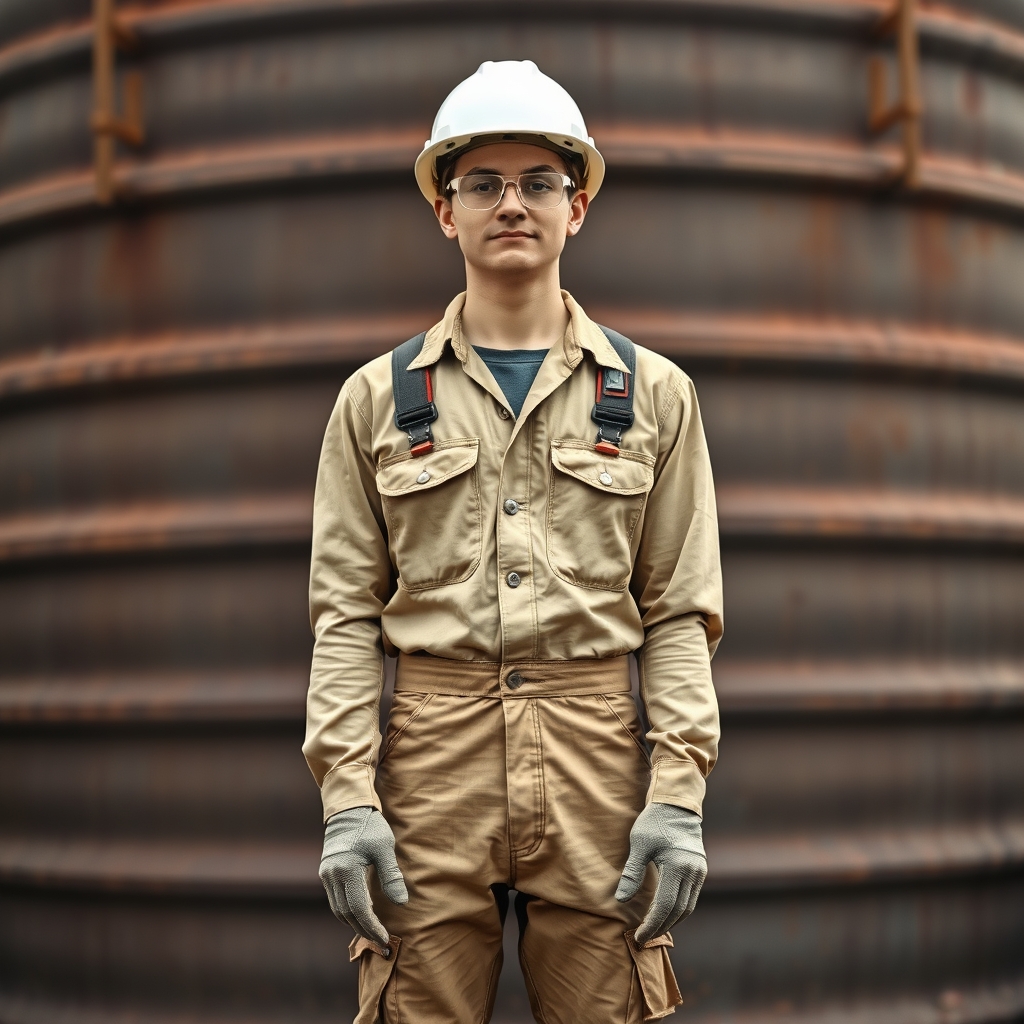
Ultrasonic and MPI on the rope. Came off the shop floor at a Highveld steelworks in 2013 and has read more corroded plate than the rest of us together.
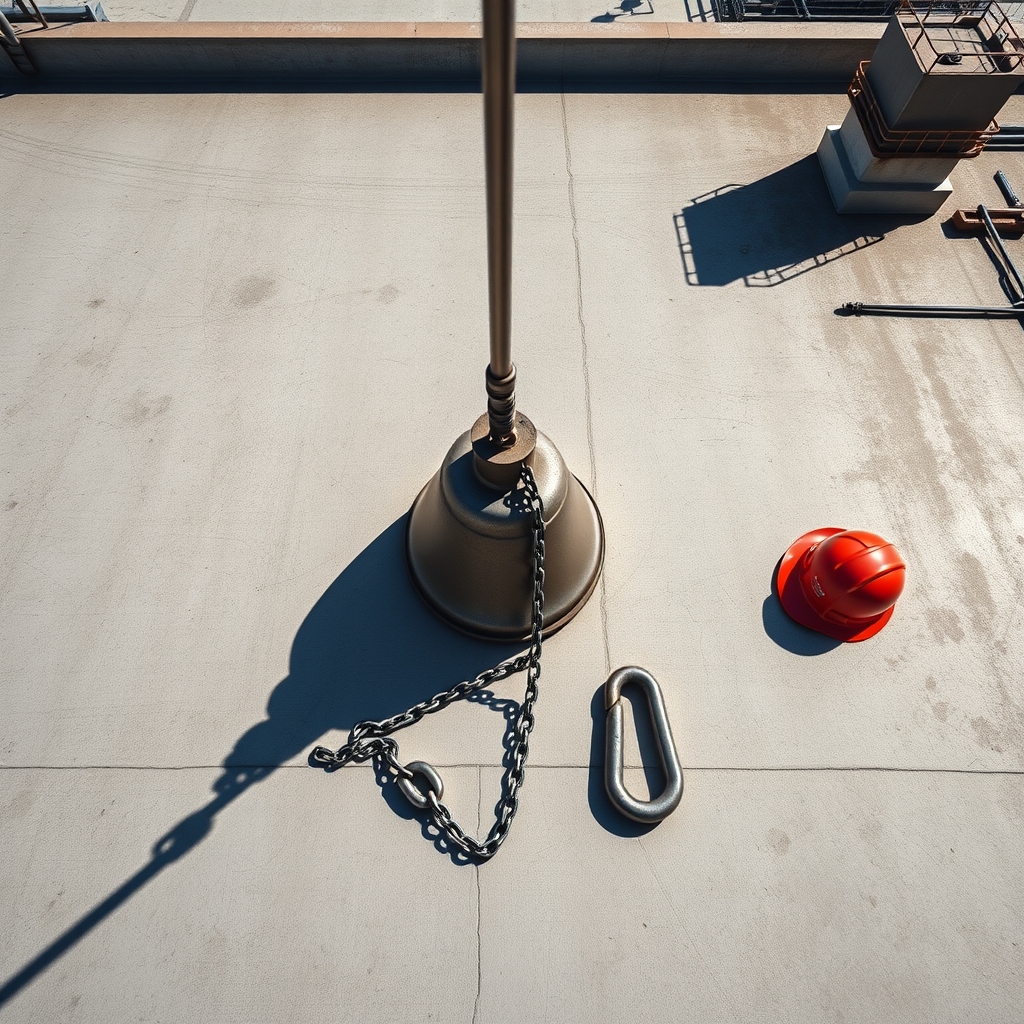
Rigs the anchors and the tag lines. If a stack has an eye bolt nobody has used since 1994, he is the one who proof-tests it before anybody puts weight on it.
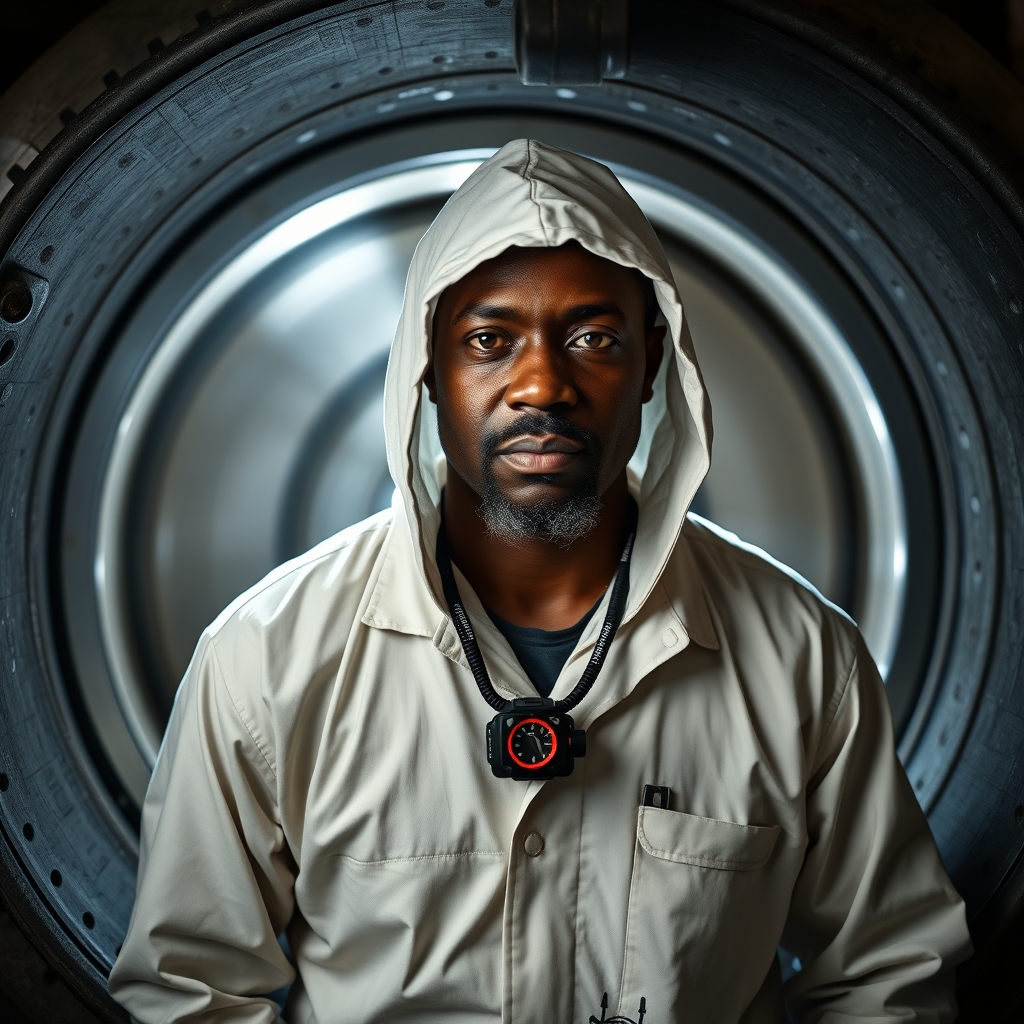
Gas testing, entry control and the tally board. Twelve years of boiler shutdowns, and has never yet let a hole in a schedule become a hole in the procedure.
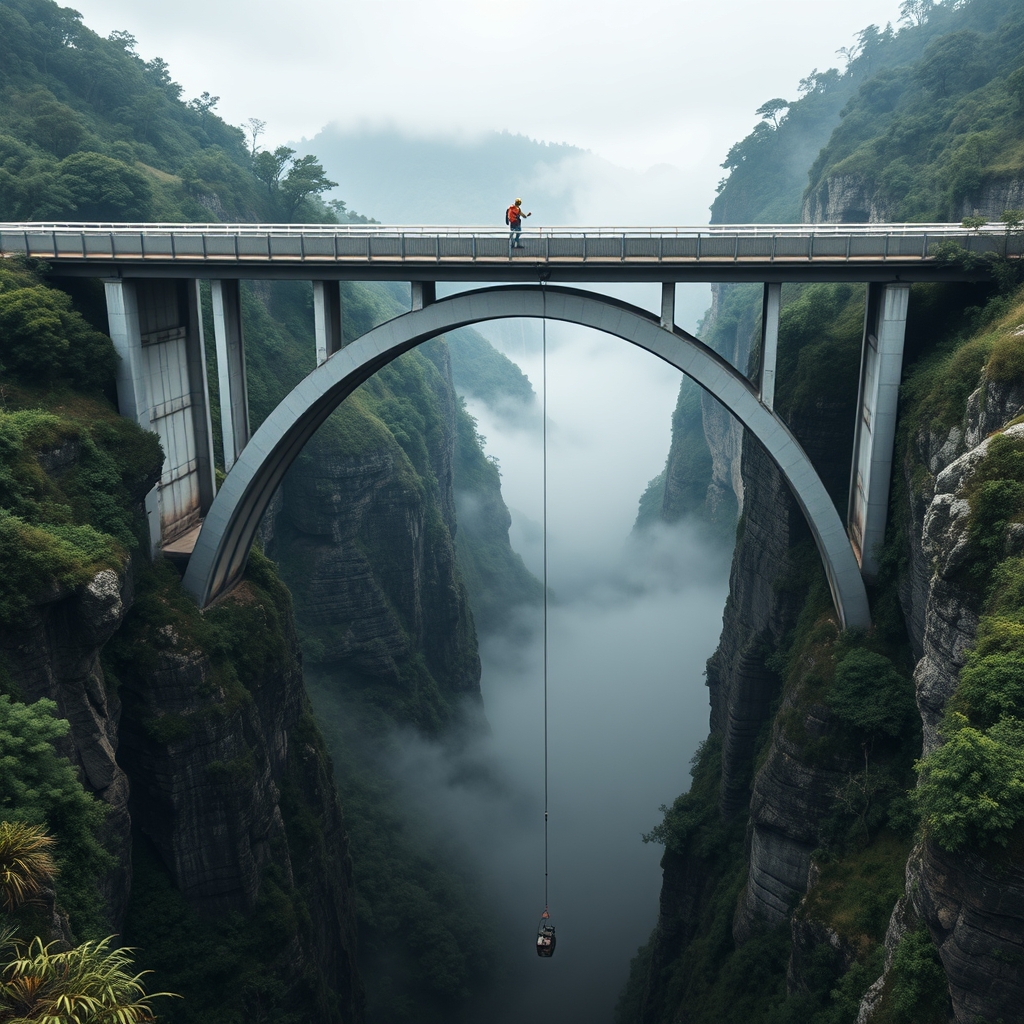
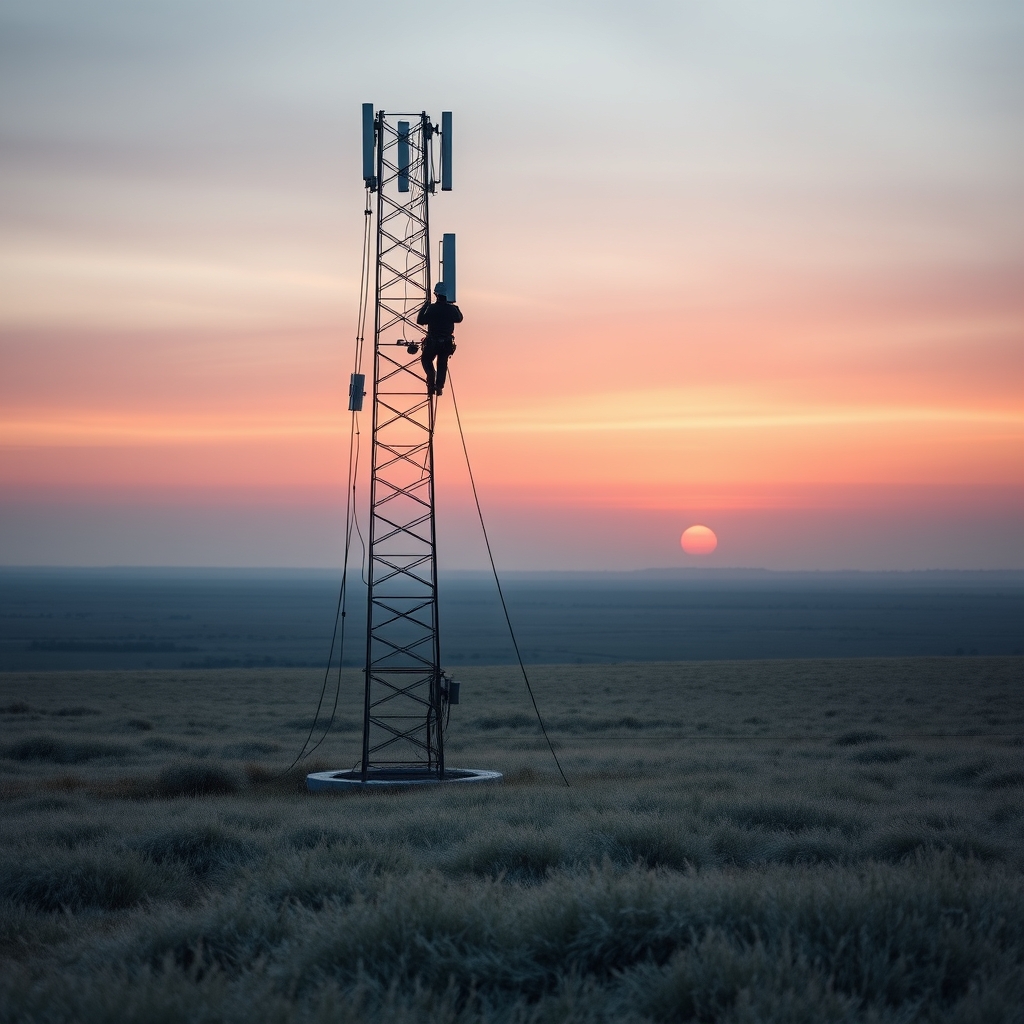
The last six jobs
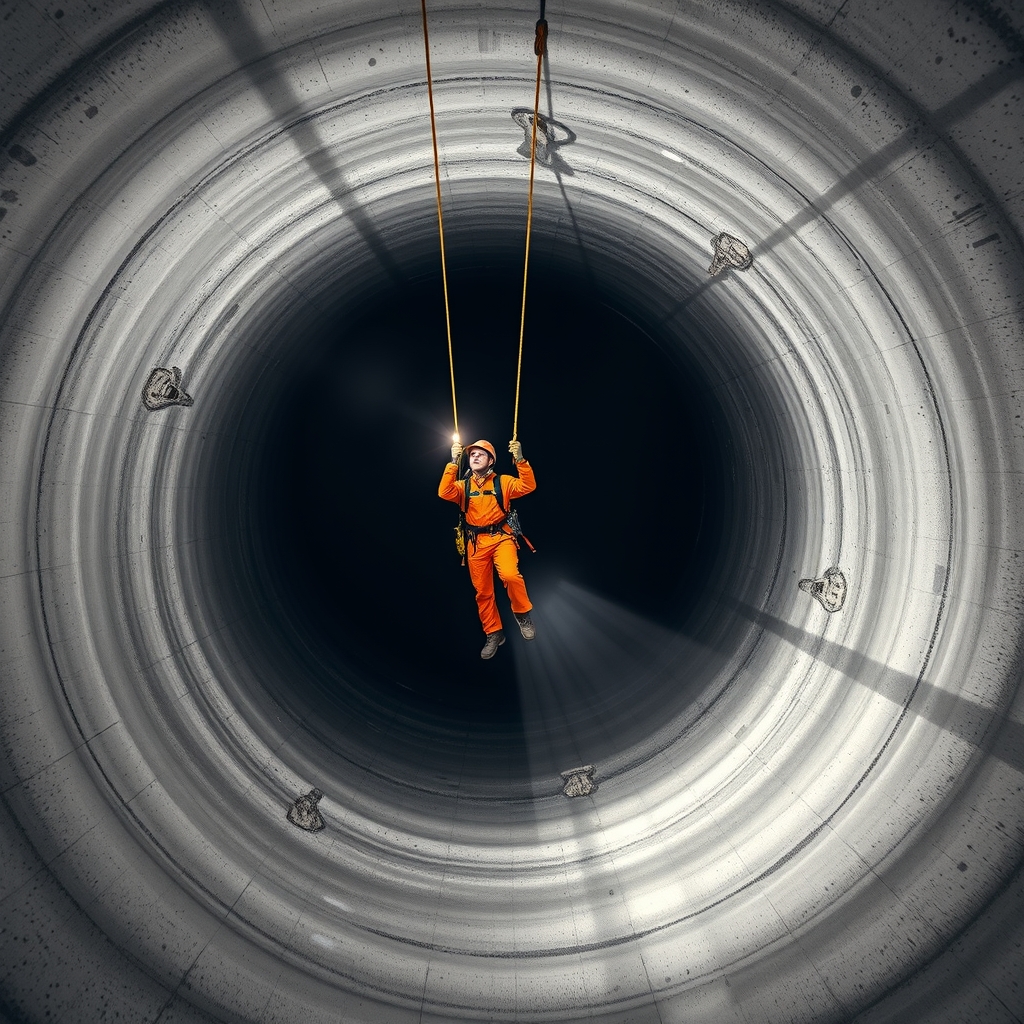
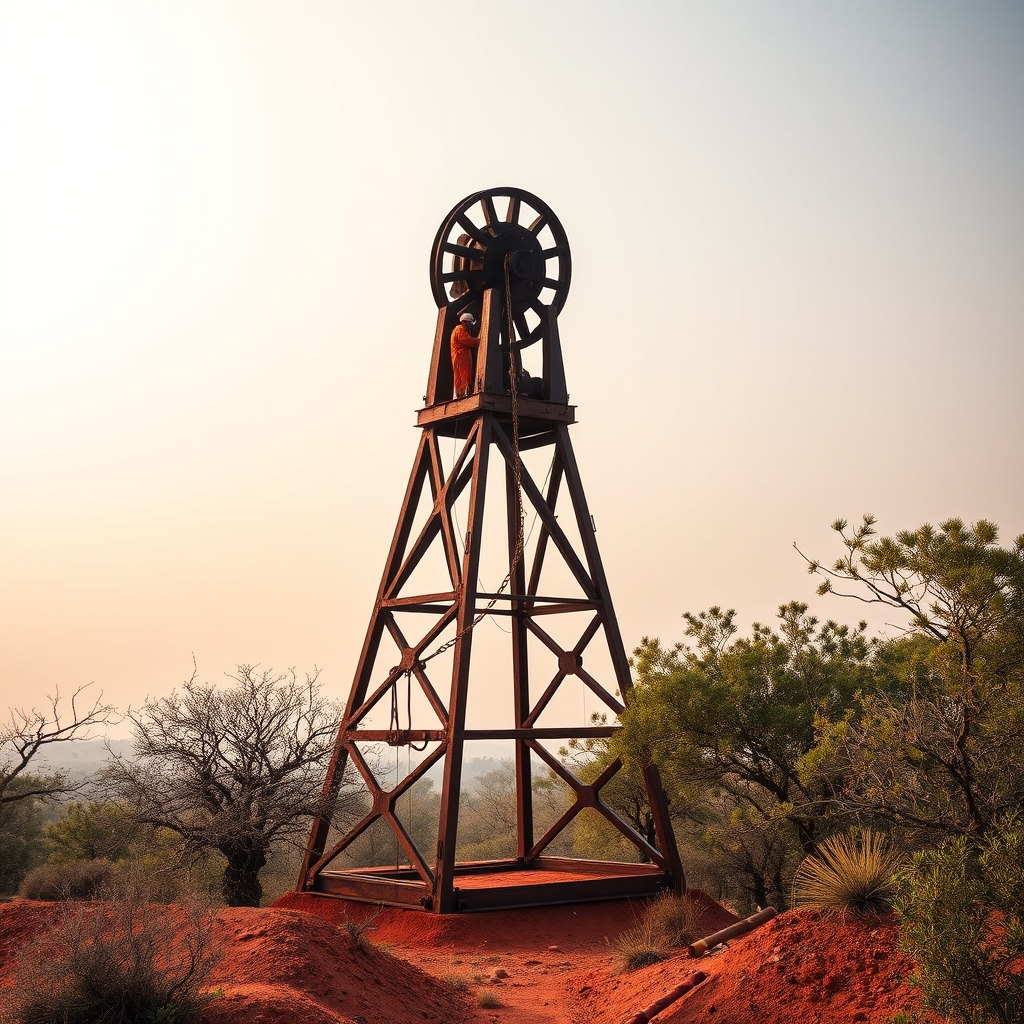
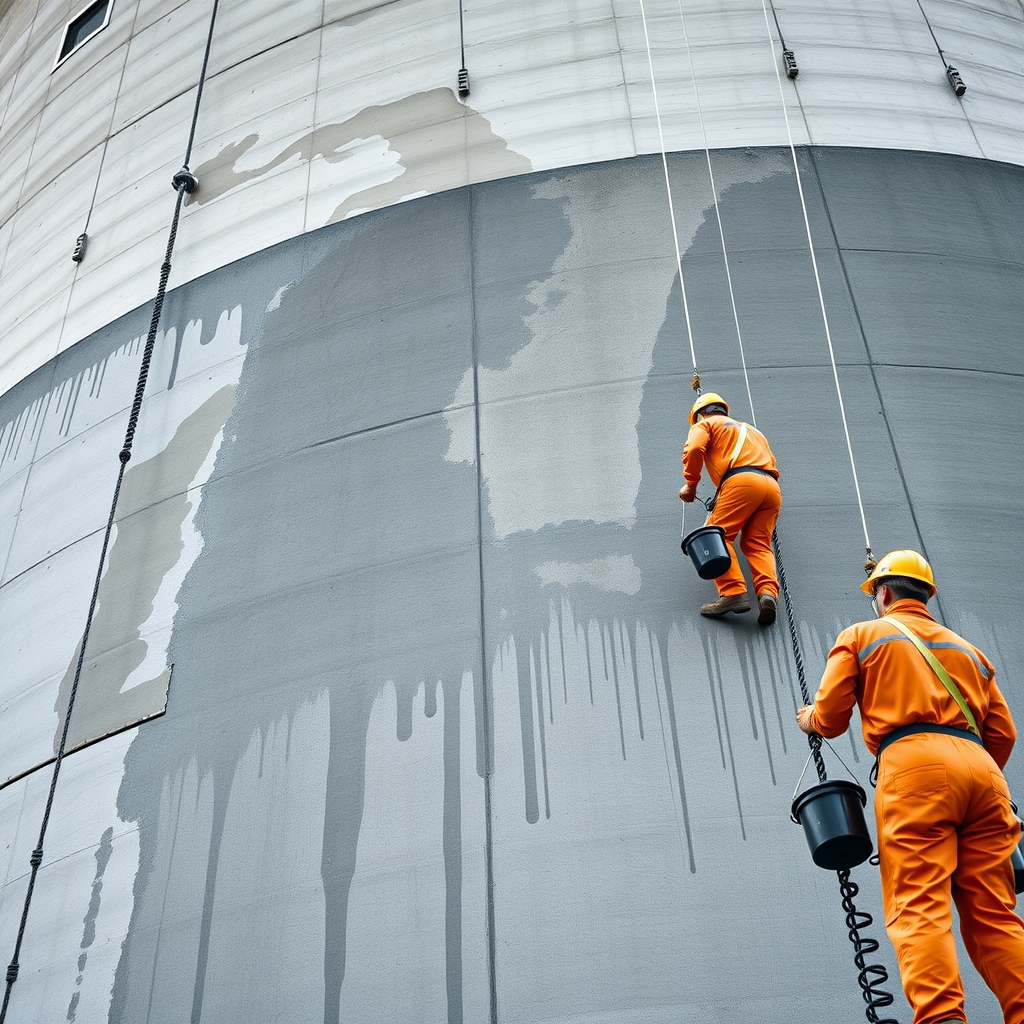
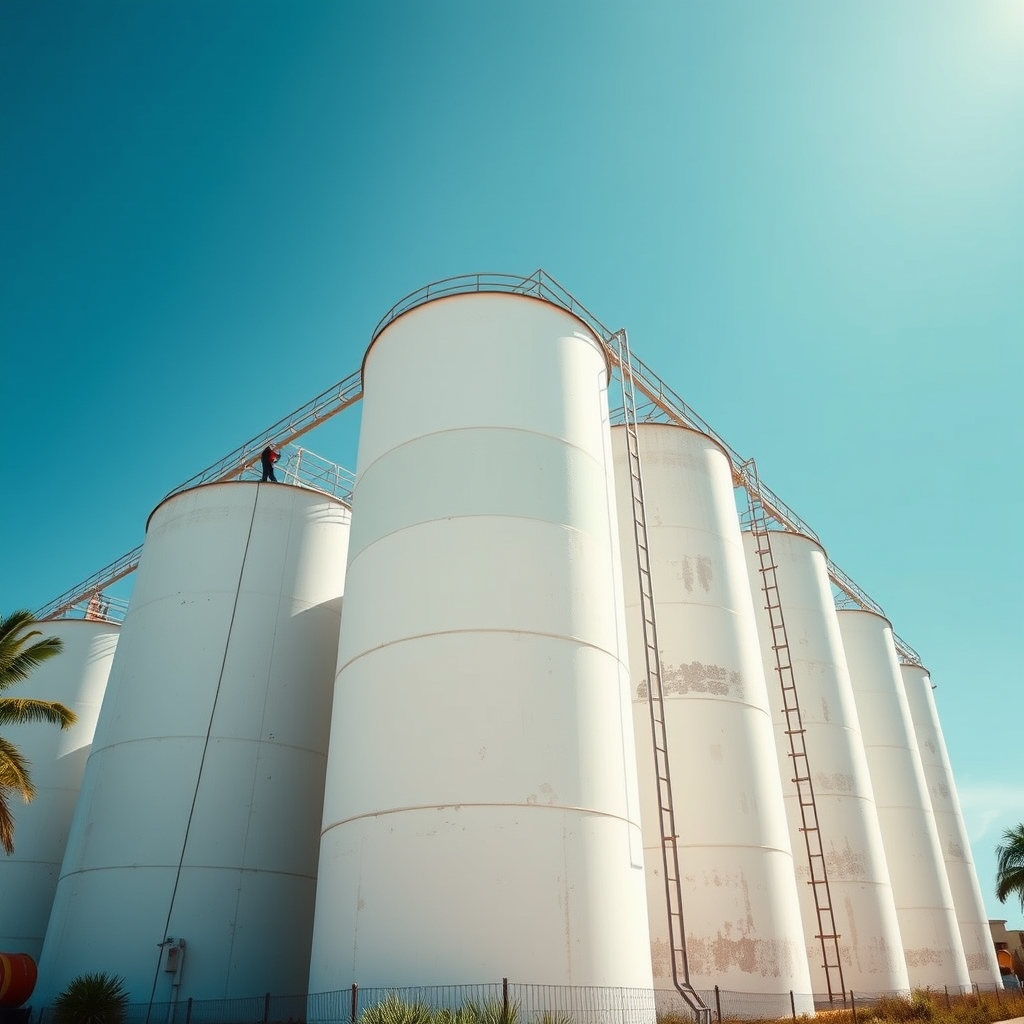
61 400 rope hours without a lost-time injury
Nine years, four provinces, every hour of it logged by hand. The incident book is the first thing we put on the table at the pre-start meeting, and we hand it over whether you ask for it or not.
Tell us what needs looking at
A photograph from the ground and a rough height is enough to start. We quote off a site visit, and the site visit is free anywhere in Mpumalanga or Gauteng.
Jumar
Rope access, inspection and rescue · Middelburg, Mpumalanga · IRATA member company