Three days on the diseases that decide the herd
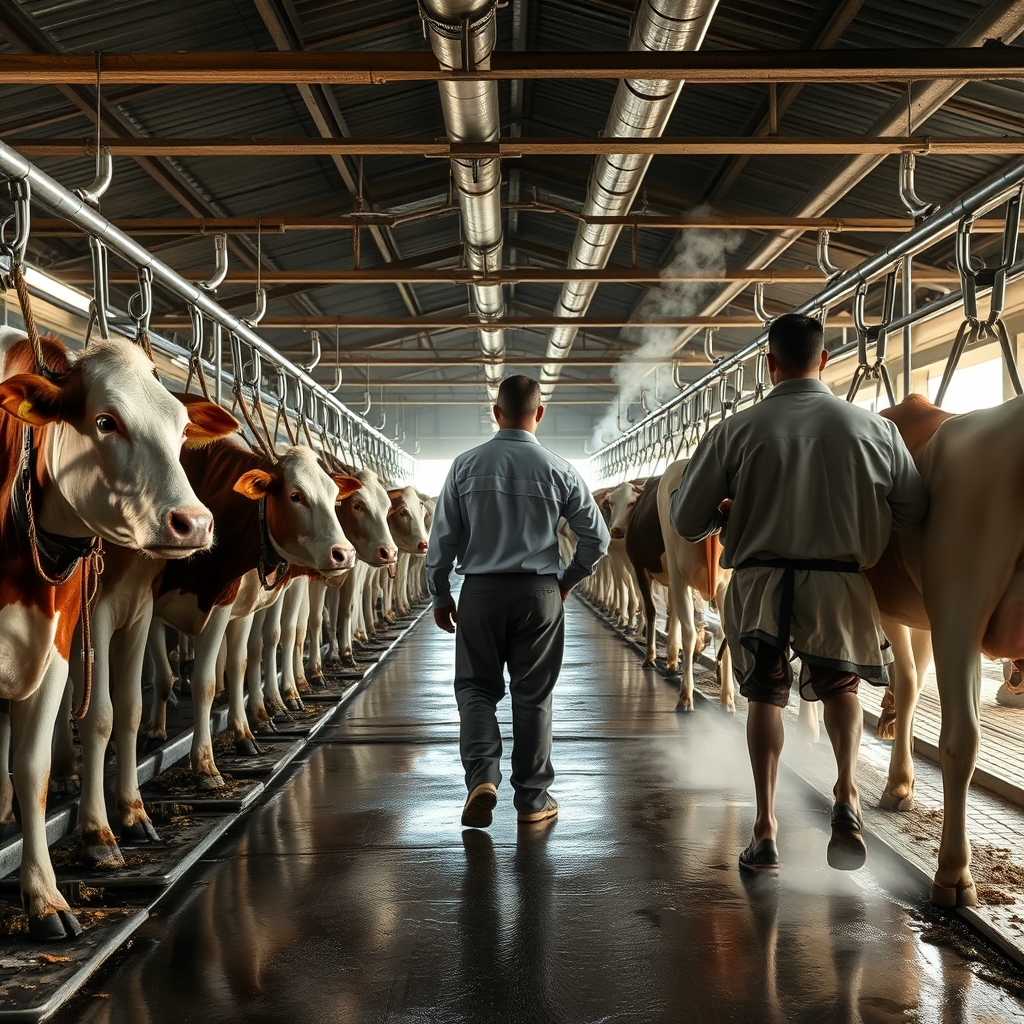
State vets, feedlot vets, animal health technicians, laboratory staff and stock farmers in one hall — foot-and-mouth, ticks and brucellosis, and what each one costs the red meat trade before anybody writes a policy about it.
The eight on the programme
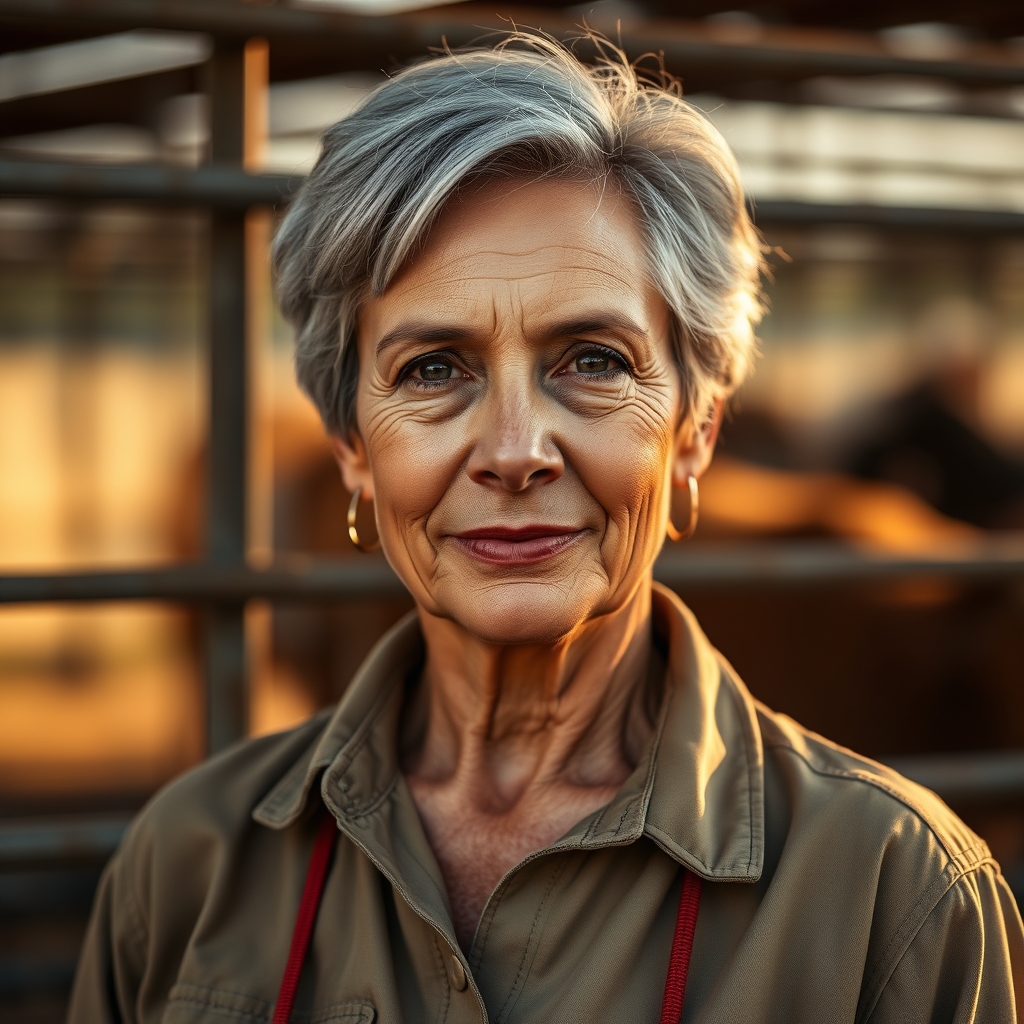

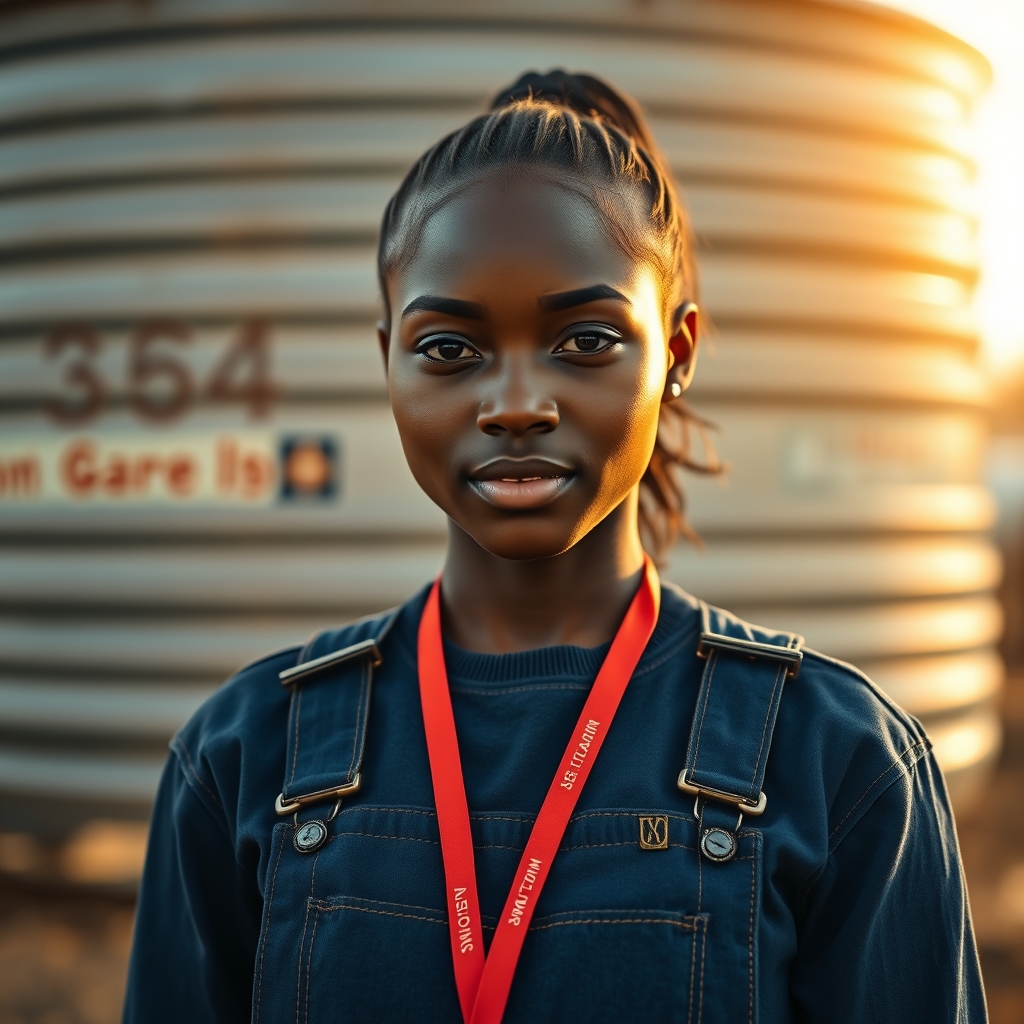

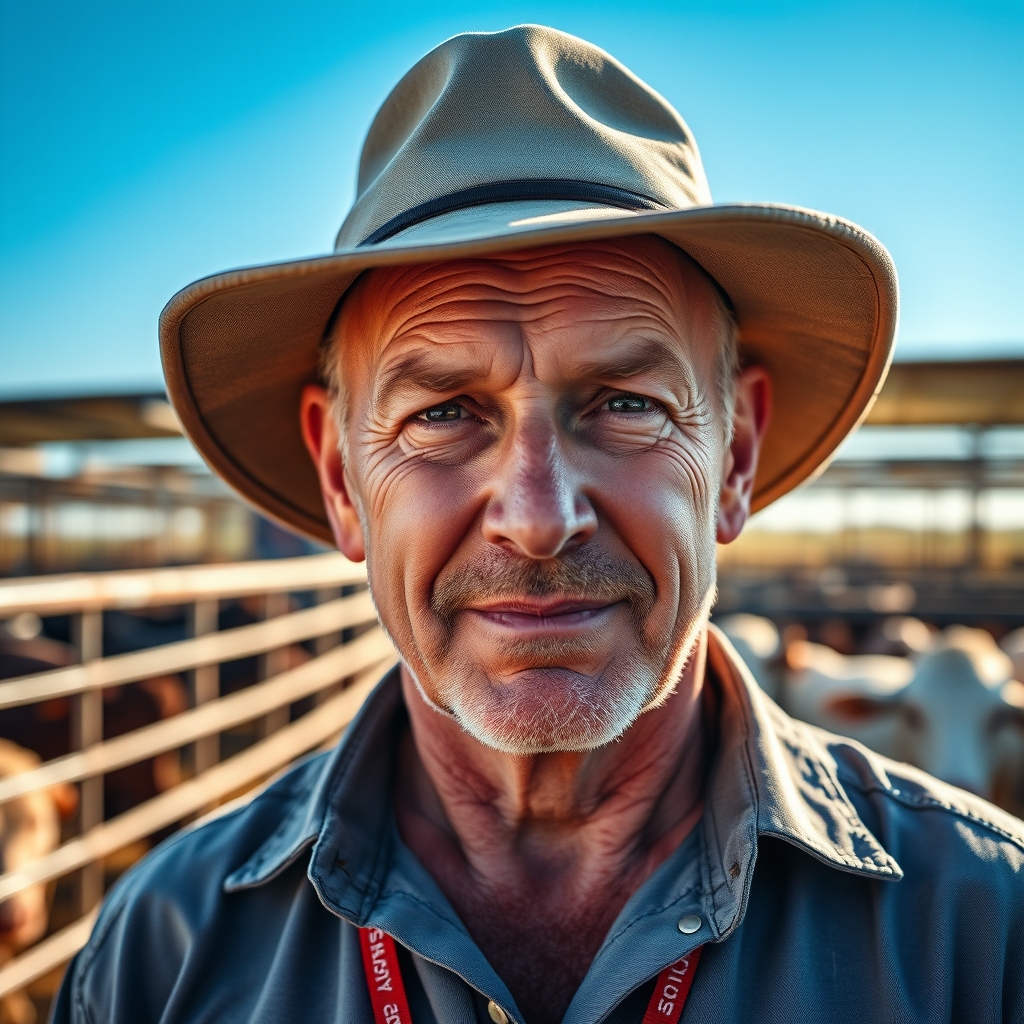

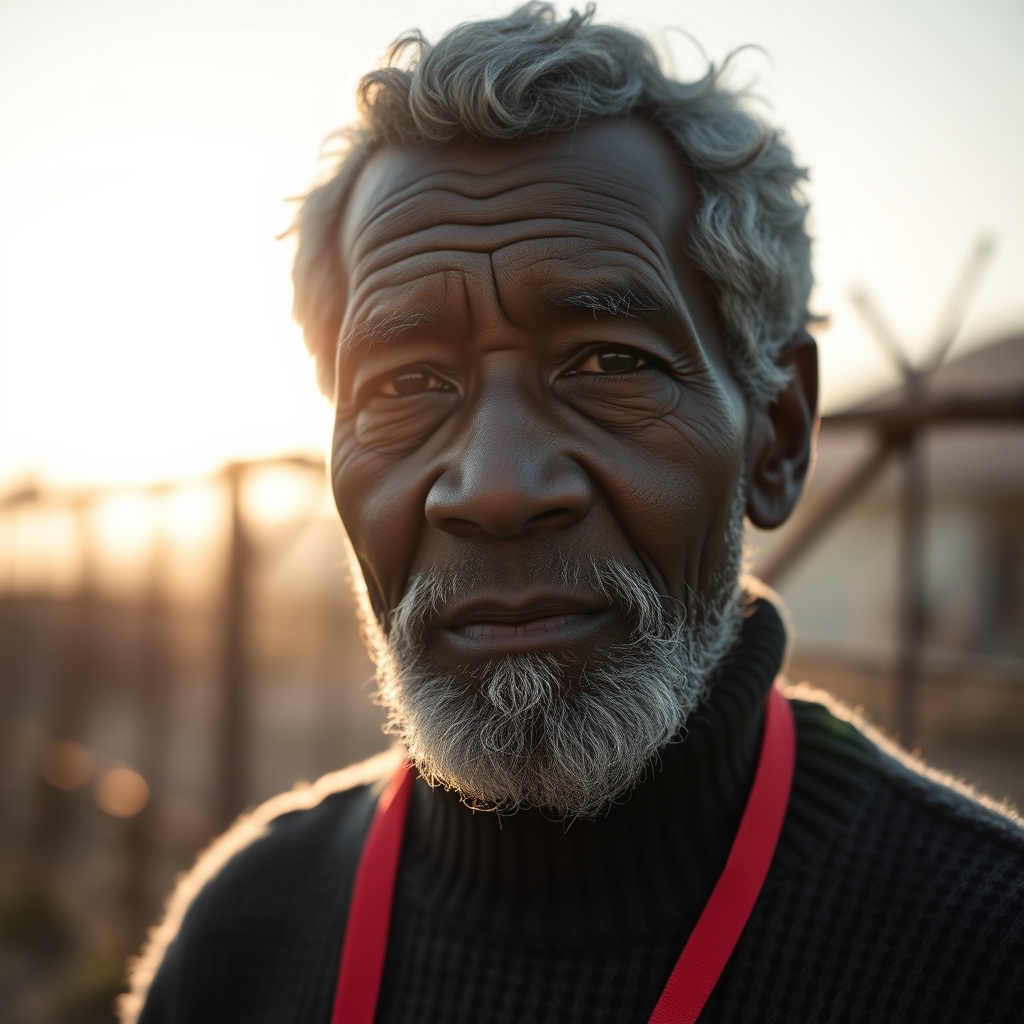
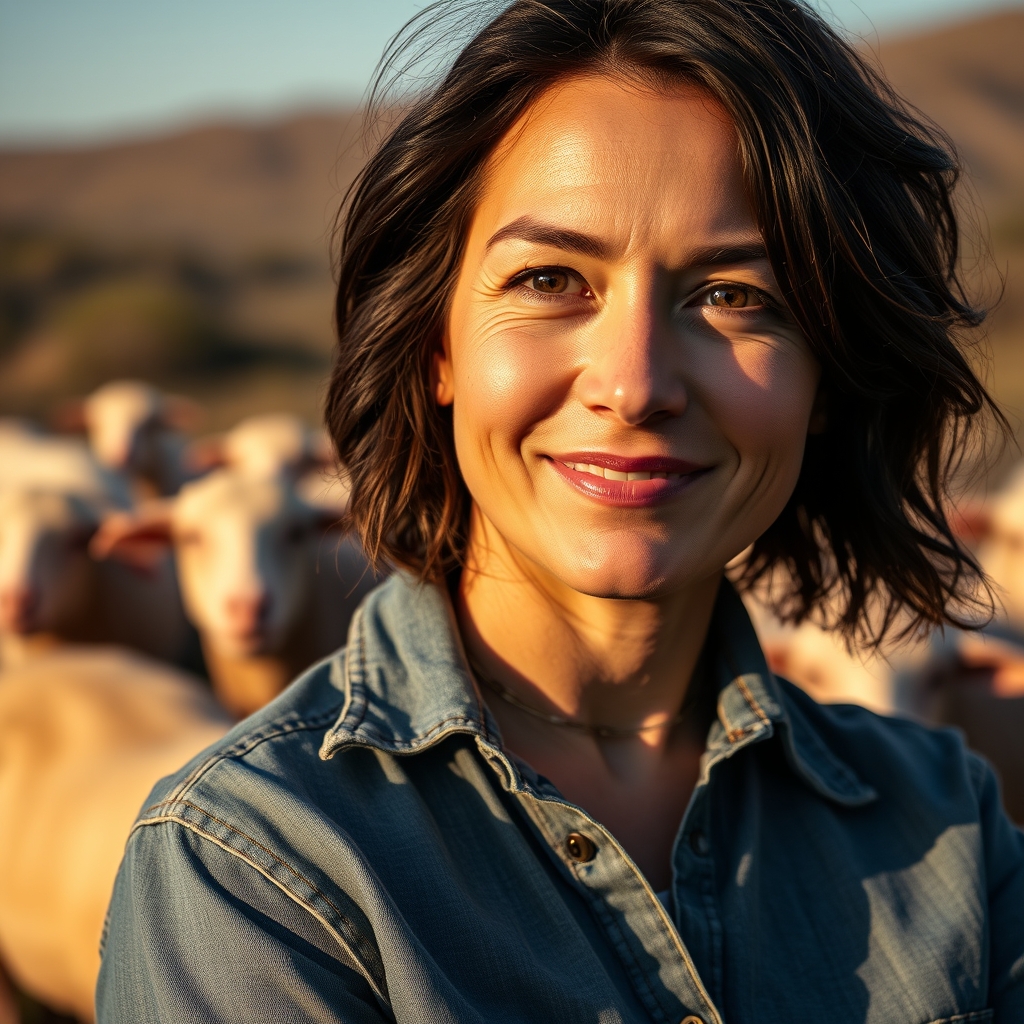
Day one · Tuesday 8 September · Foot-and-mouth and movement
- 08:30 Where the 2022 outbreak actually got in. Dr Anele Mbatha walks the movement permits backwards, week by week, from the first Limpopo feedlot to the auction pen that spread it across three provinces.
- 10:45 Living inside a red line. Dr Lerato Mokoena on running a state office in a controlled area: what a farmer may move, what he may not, and how long a permit really takes to come back.
- 13:30 Vaccination in practice. Matching the strain to the outbreak, holding a cold chain together on ninety kilometres of gravel, and why the second shot is the one that gets missed.
- 15:30 What the ban cost. Weaner prices from May 2022 to March 2023, priced per head rather than in percentages, with the auction figures on the screen where the room can argue with them.
Day two · Wednesday 9 September · Ticks and the dip tank
- 08:30 What is in the tank this morning. Nomsa Zwane on strength testing, replenishment and the arithmetic that goes wrong the moment a tank is topped up by eye.
- 10:45 The resistance is already here. Prof. Hendrik Verwey on amitraz and pyrethroid resistance in Rhipicephalus, and what an honest rotation plan looks like on a communal dip.
- 13:30 Heartwater, redwater, gallsickness. Dr Marlise Nel on telling the three apart at the kraal, in the dark, before the blood smear comes back from the laboratory.
- 15:30 Every Thursday since 1994. Mzwandile Ndlela on a Cala dip that has never missed a week, who pays for the acaricide now, and what the state still puts on the truck.
Day three · Thursday 10 September · Brucellosis, the laboratory and the feedlot
- 08:30 A positive result comes in. Dr Refilwe Sithole on what happens between the tube arriving and the vet phoning, why the second test matters, and how long the farmer waits.
- 10:45 Testing a herd you cannot afford to cull. The brucellosis scheme in plain language: what is compulsory, what is funded, and what the farmer carries alone.
- 13:30 Sixty thousand head and one hospital pen. Dr Pieter Grobler on respiratory disease in the feedlot, and how the first three days after arrival decide the rest of them.
- 15:00 Closing floor. What the room wants carried back to the department, written down on the day and read out loud before anybody leaves the hall.
R2 350 for three days. The hall holds 400 and last year it was full by the middle of August.
Book a seatKudde 2025, closing floor. Fifty-one minutes on movement control, filmed from the back of the hall and left uncut.
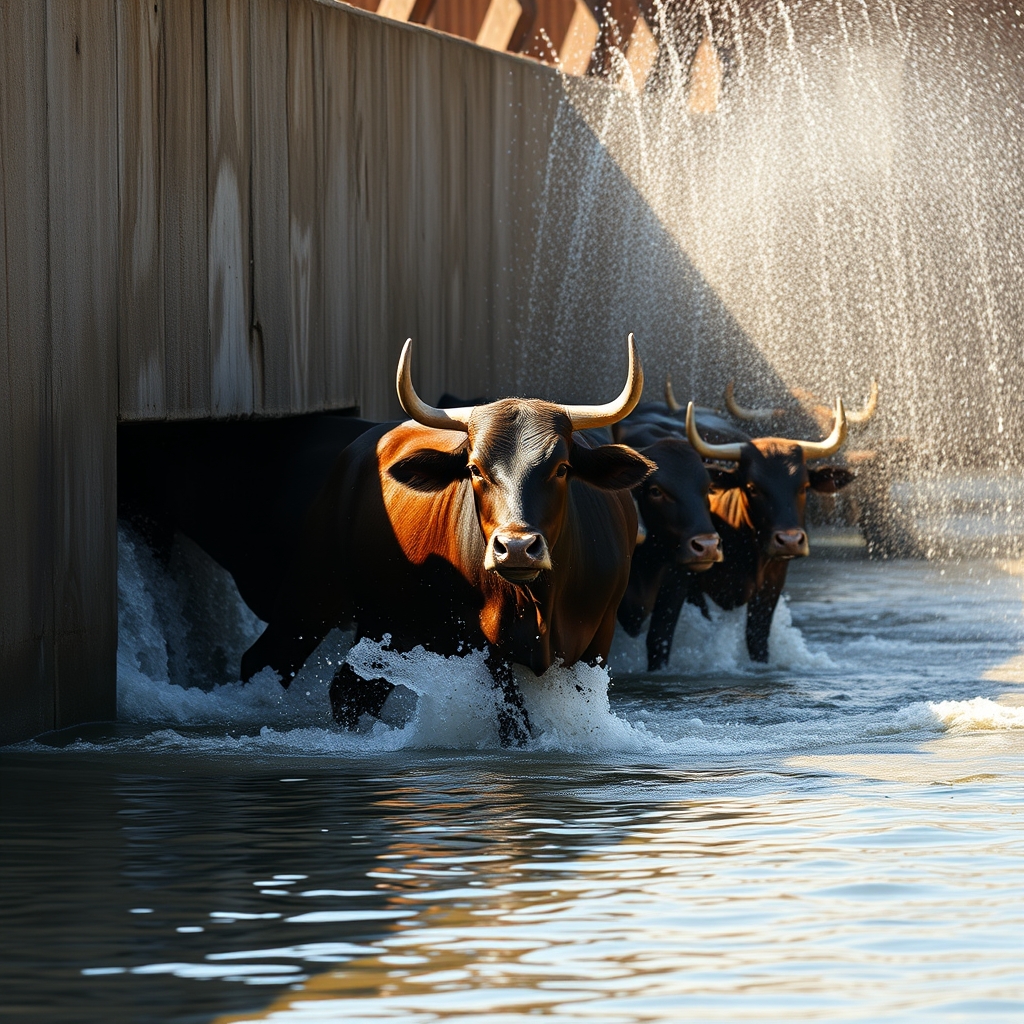
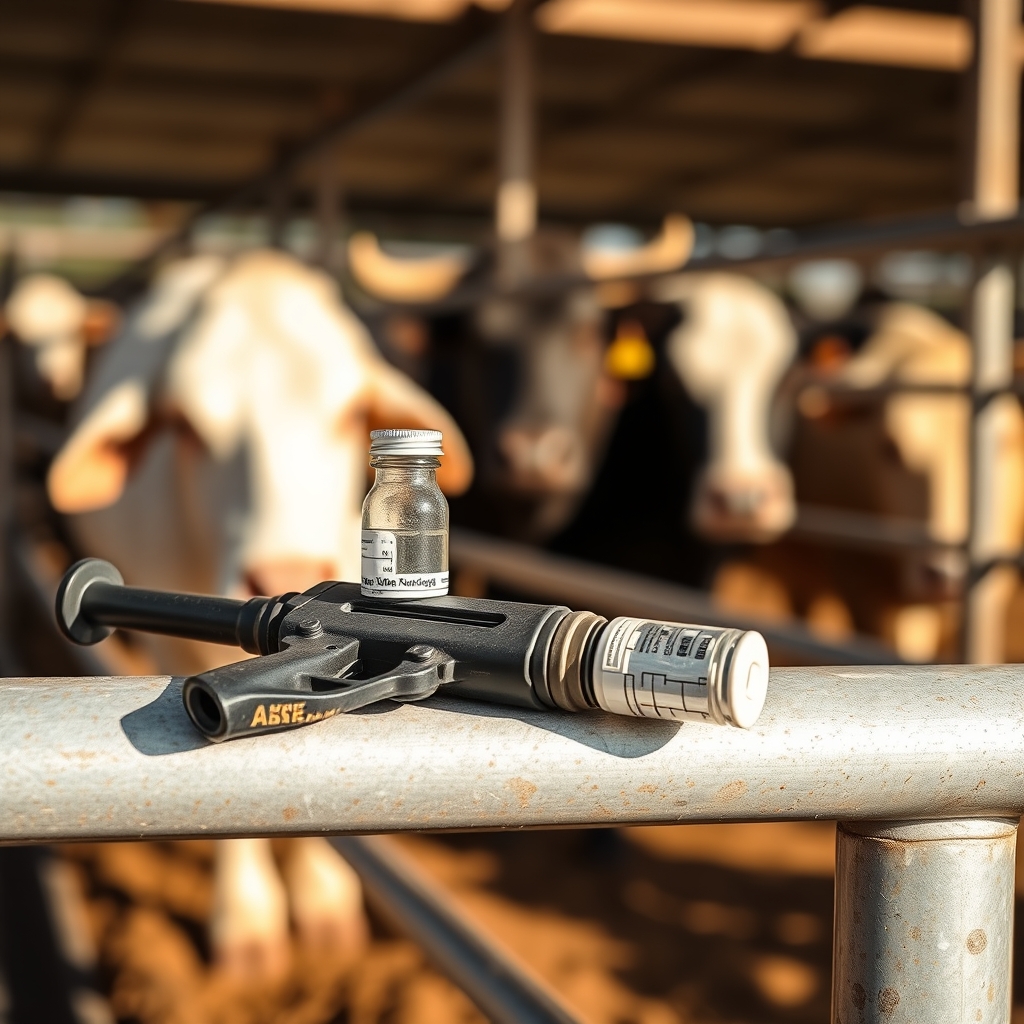
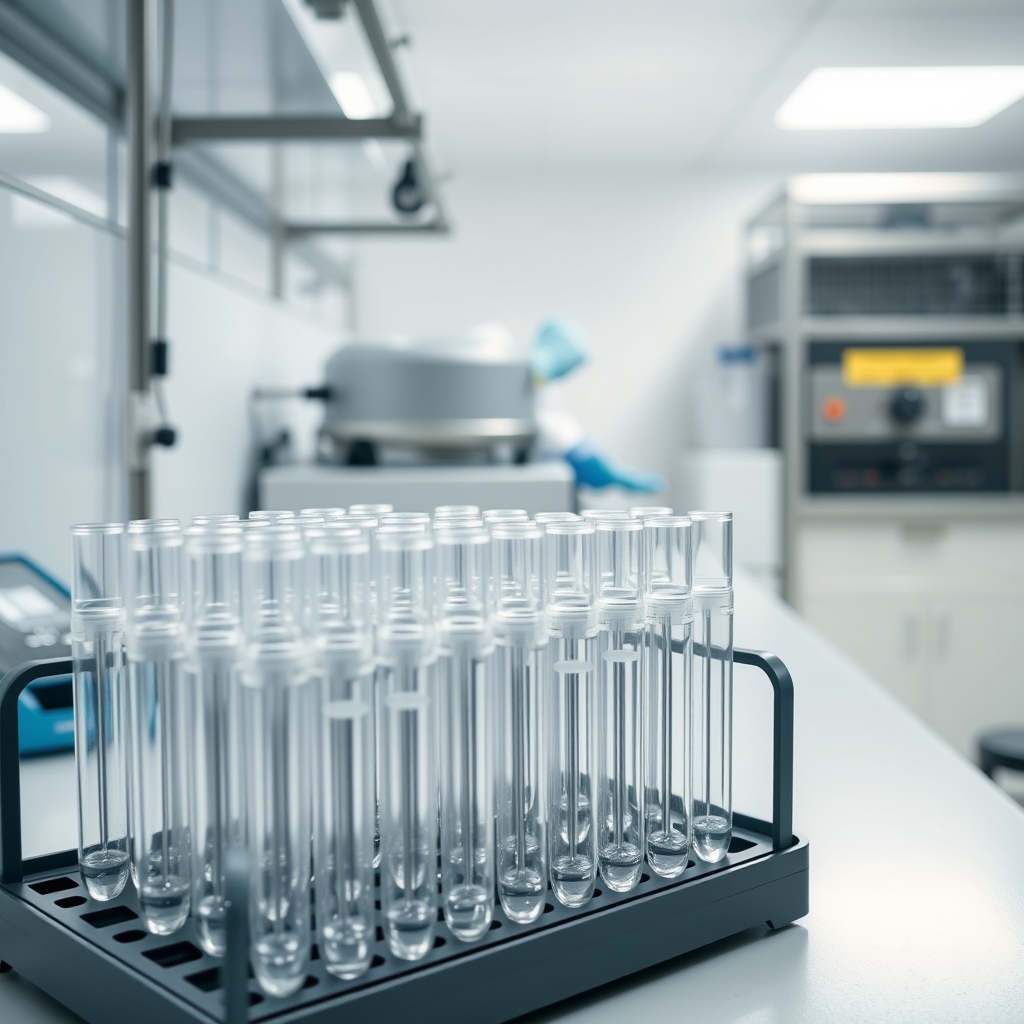
The work the congress is about
Who carries the congress
Six parts of the industry put money, staff and time behind Kudde so that thirty seats can go to communal stock farmers at no charge.
Rangeland and fodder
Lick, seed and pasture companies fund the Tuesday sessions and the two field demonstrations.
Livestock transport
Two hauliers cover the Monday buses from Kimberley, Kroonstad, Mthatha and Upington.
Animal health
Vaccine and acaricide manufacturers pay for the working laboratory bench in the exhibition hall.
Red meat market
The abattoir and feedlot associations supply the slaughter and price figures every talk quotes.
Farmer organisations
Provincial unions and communal stock associations nominate and fill the thirty free seats.
Animal welfare
Two welfare bodies read the programme in advance and run the handling workshop on Wednesday.
Book a seat
Bloemfontein Showgrounds, Curie Avenue, Dan Pienaar · 051 447 6120 · We confirm by email within two working days.