Somebody has to make the thing actually work
Electronics design, firmware and production engineering · Salt River, Cape Town
How a job runs

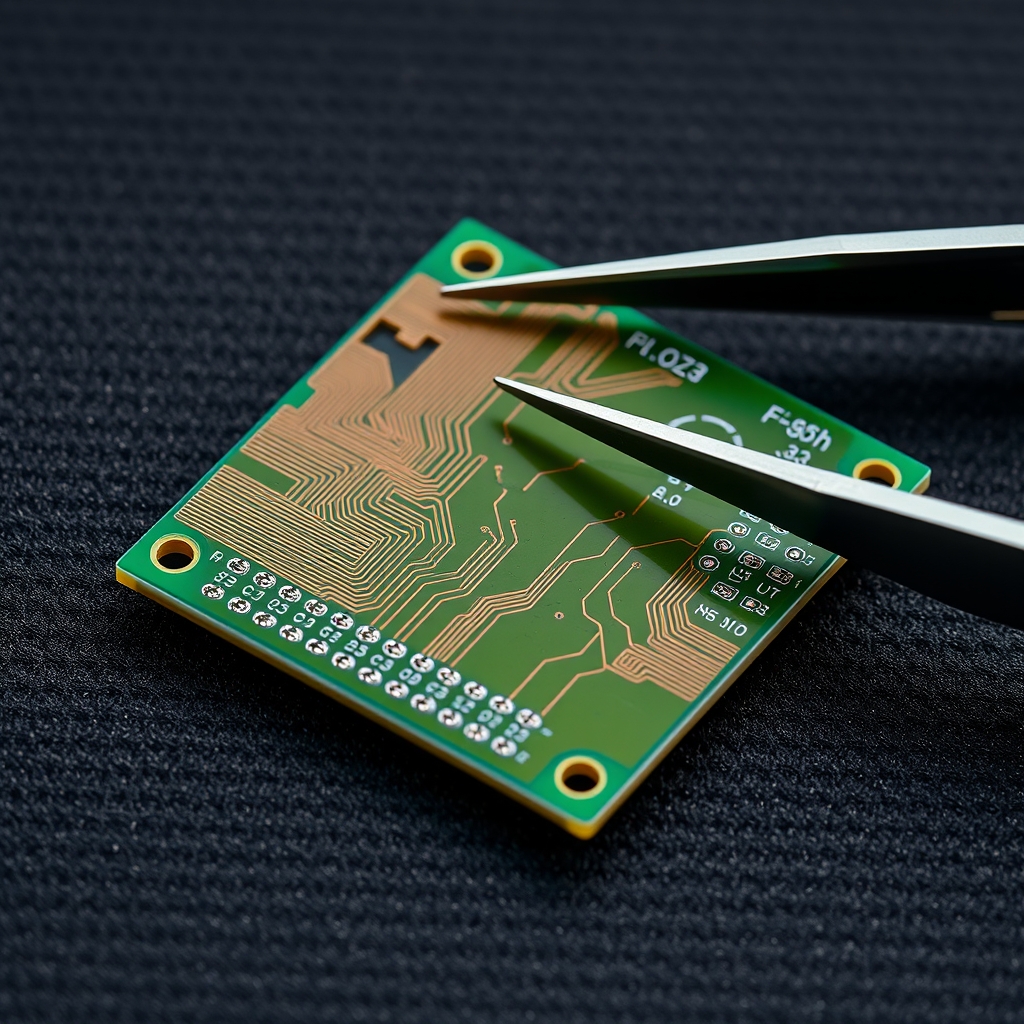
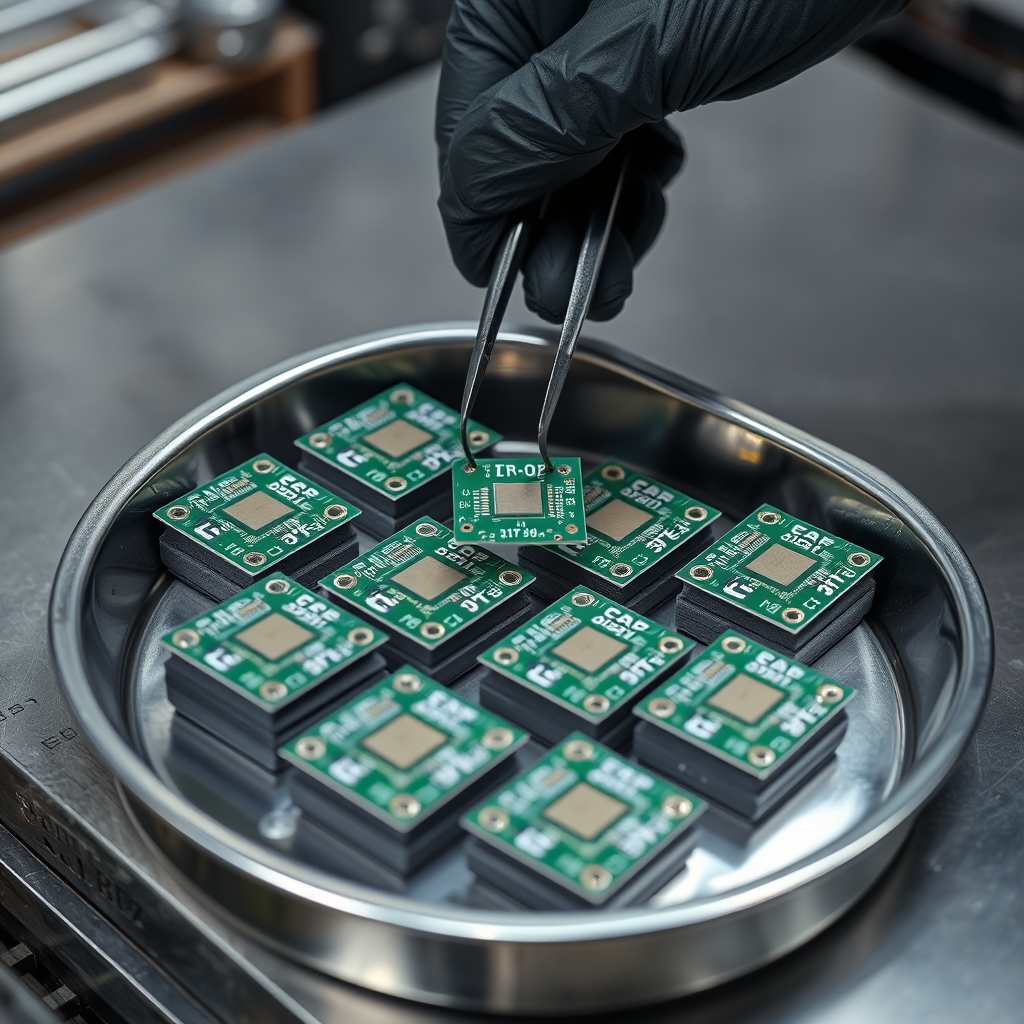
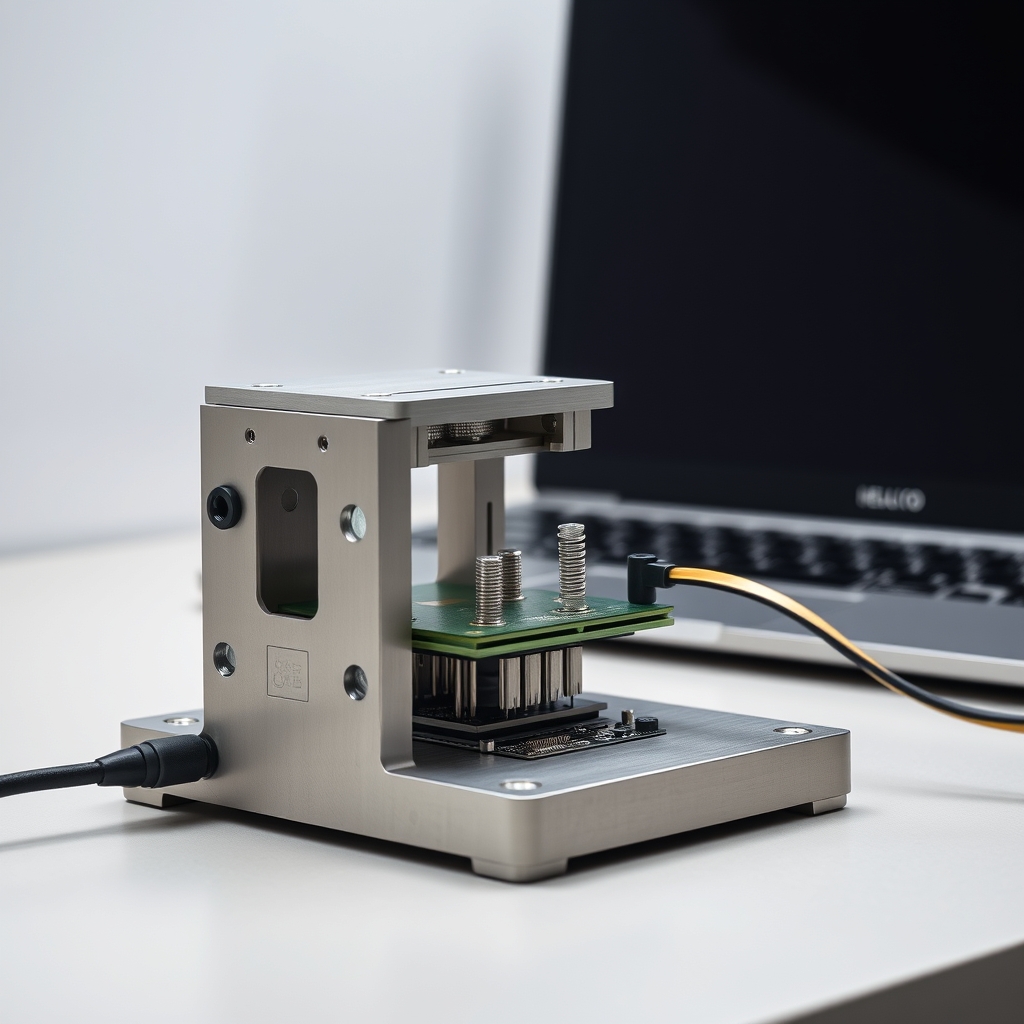
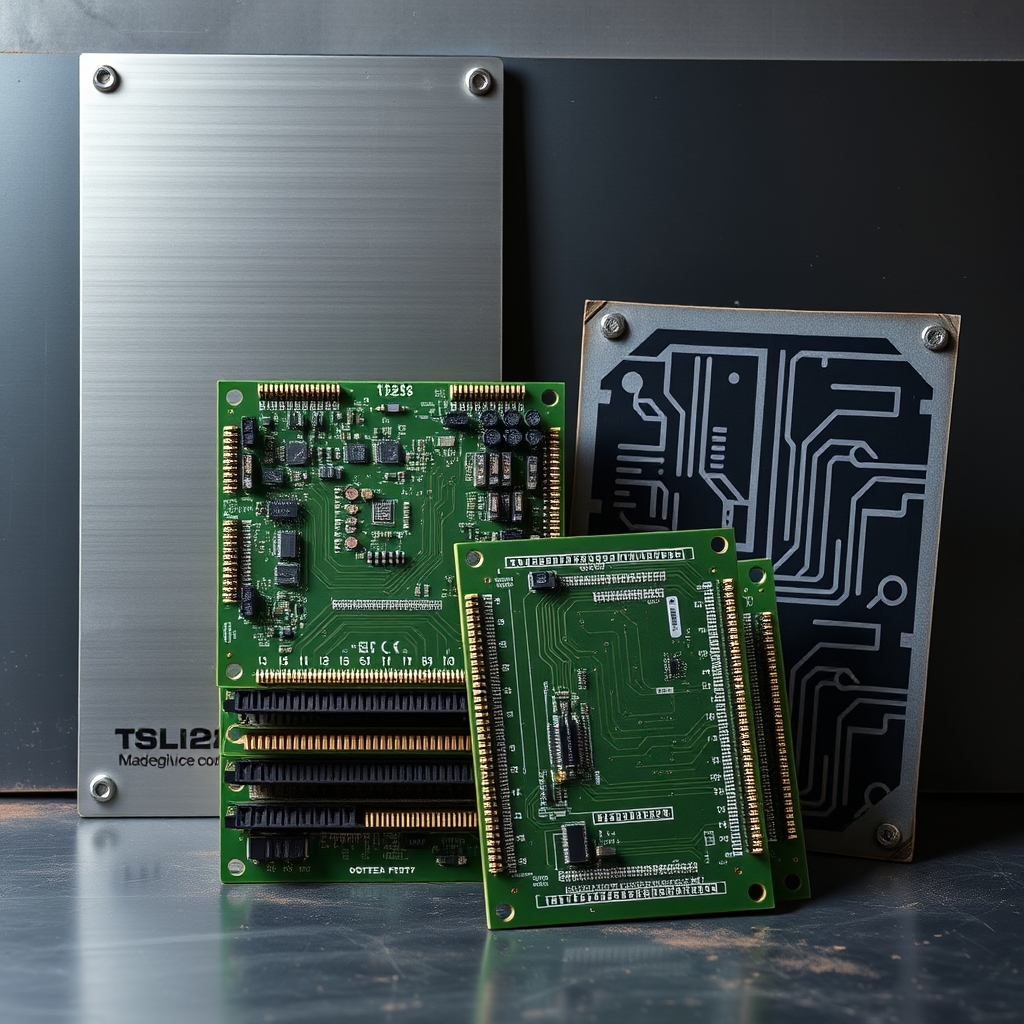
Six we took all the way to a production line
Out of roughly forty. Some of the others we are not allowed to name, and one of them is still in a drawer waiting for a chip that stopped being made.
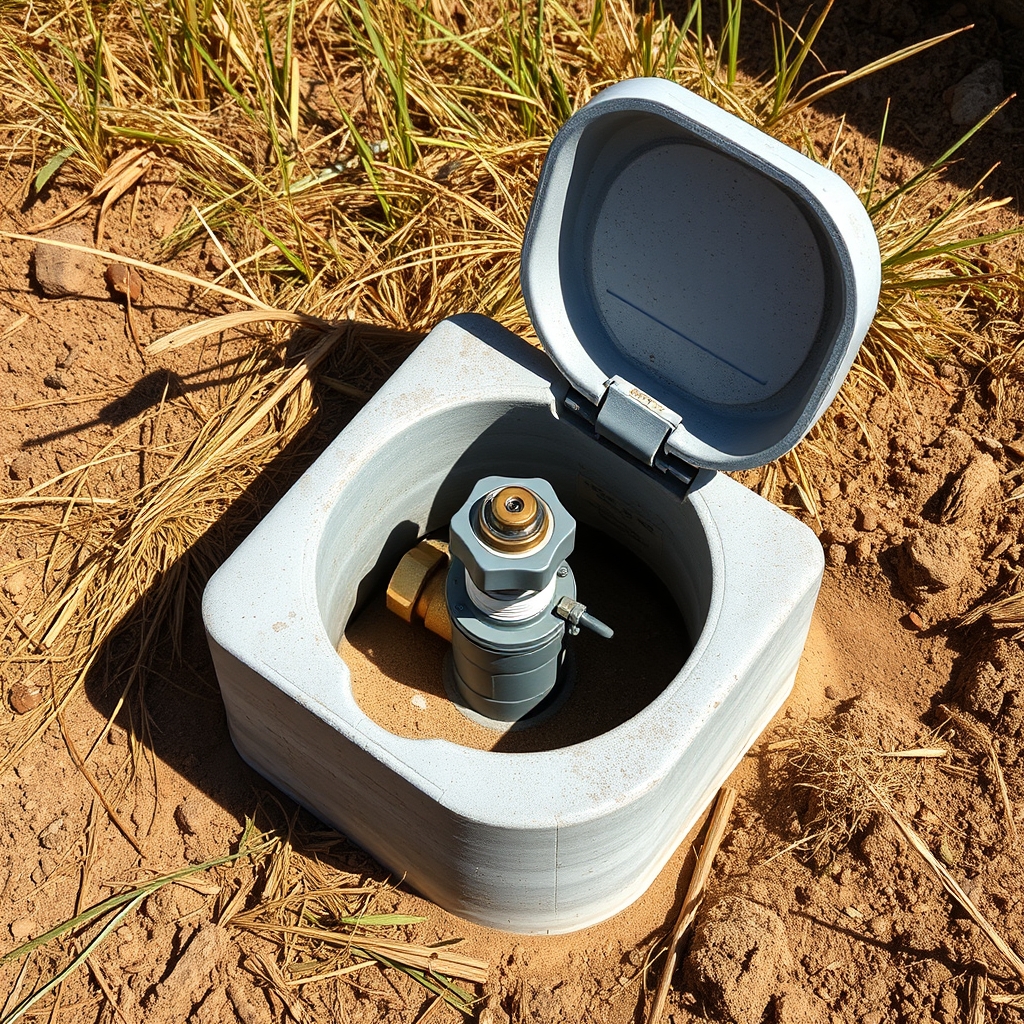

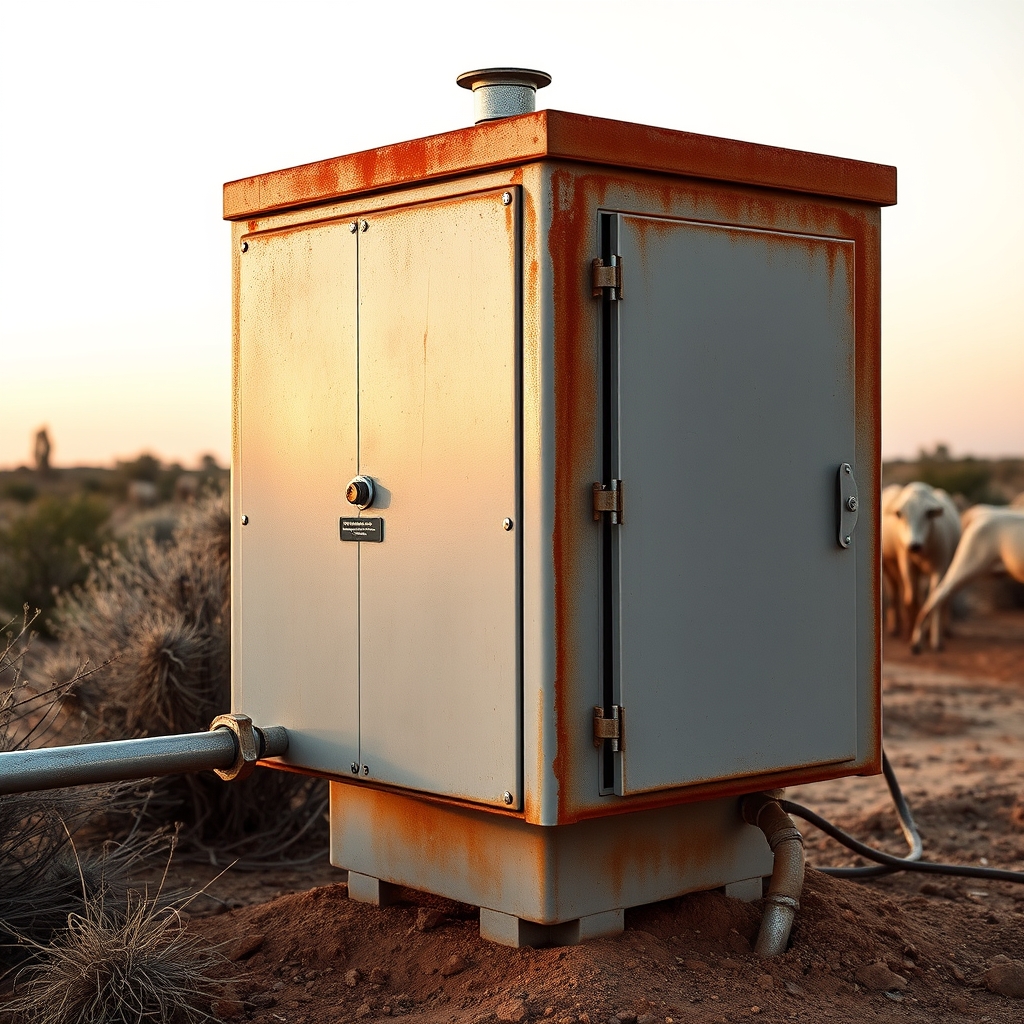
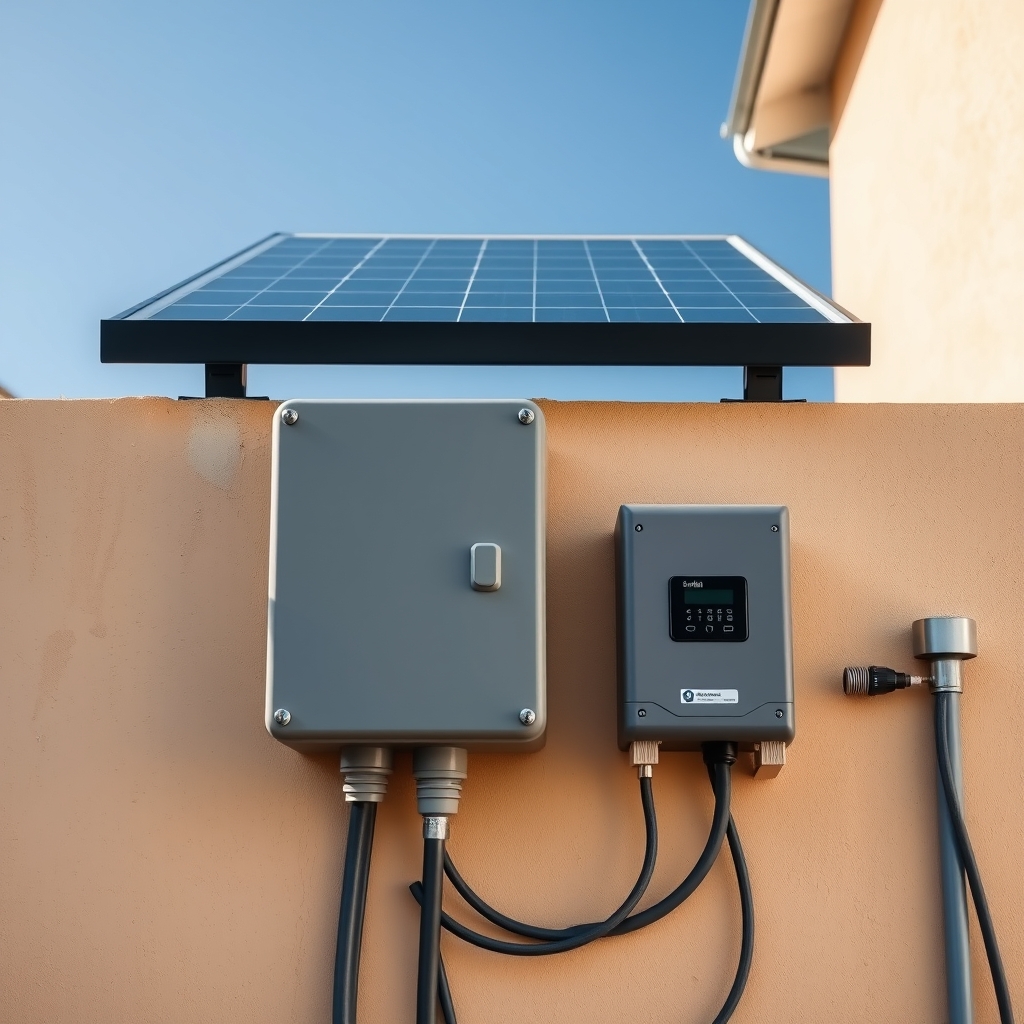
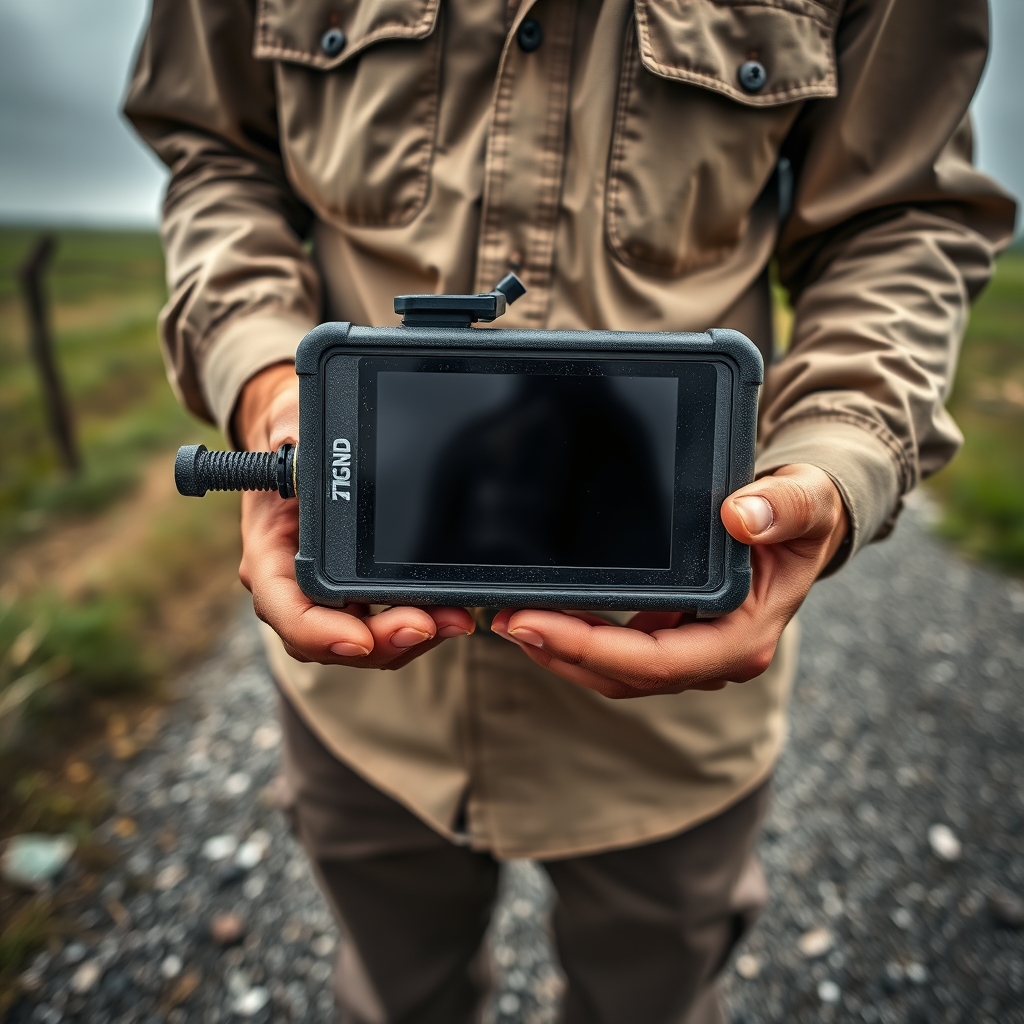
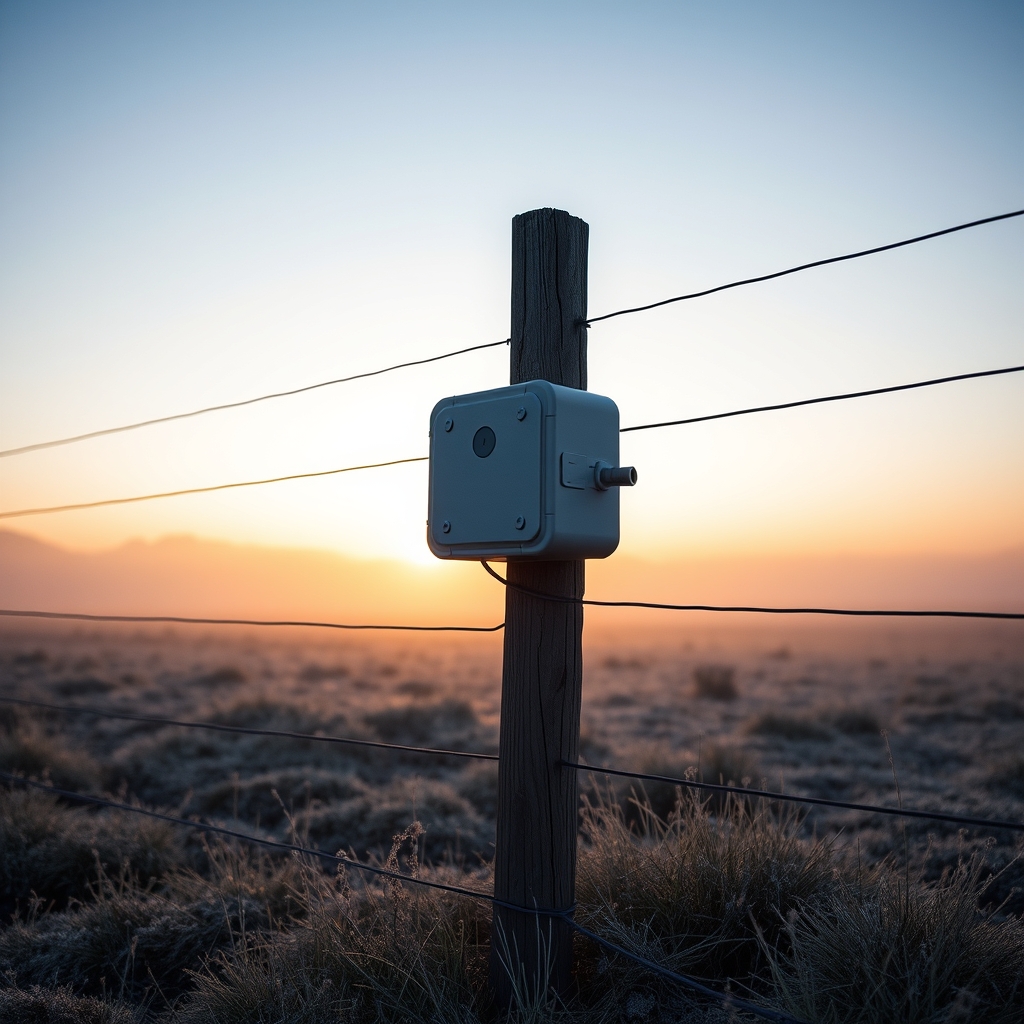
Most of this work is not invention. It is the unglamorous middle — making sure the regulator does not brown out the moment the modem transmits, that the enclosure closes on the first try, and that the assembler in Elandsfontein can read your fabrication pack without phoning anybody.
We have put boards into citrus cold stores, borehole controllers outside Kuruman, and about eleven thousand prepaid water meters. Not one of them has a screen worth photographing. All of them are still running.
The bench, above a panelbeater in Salt River
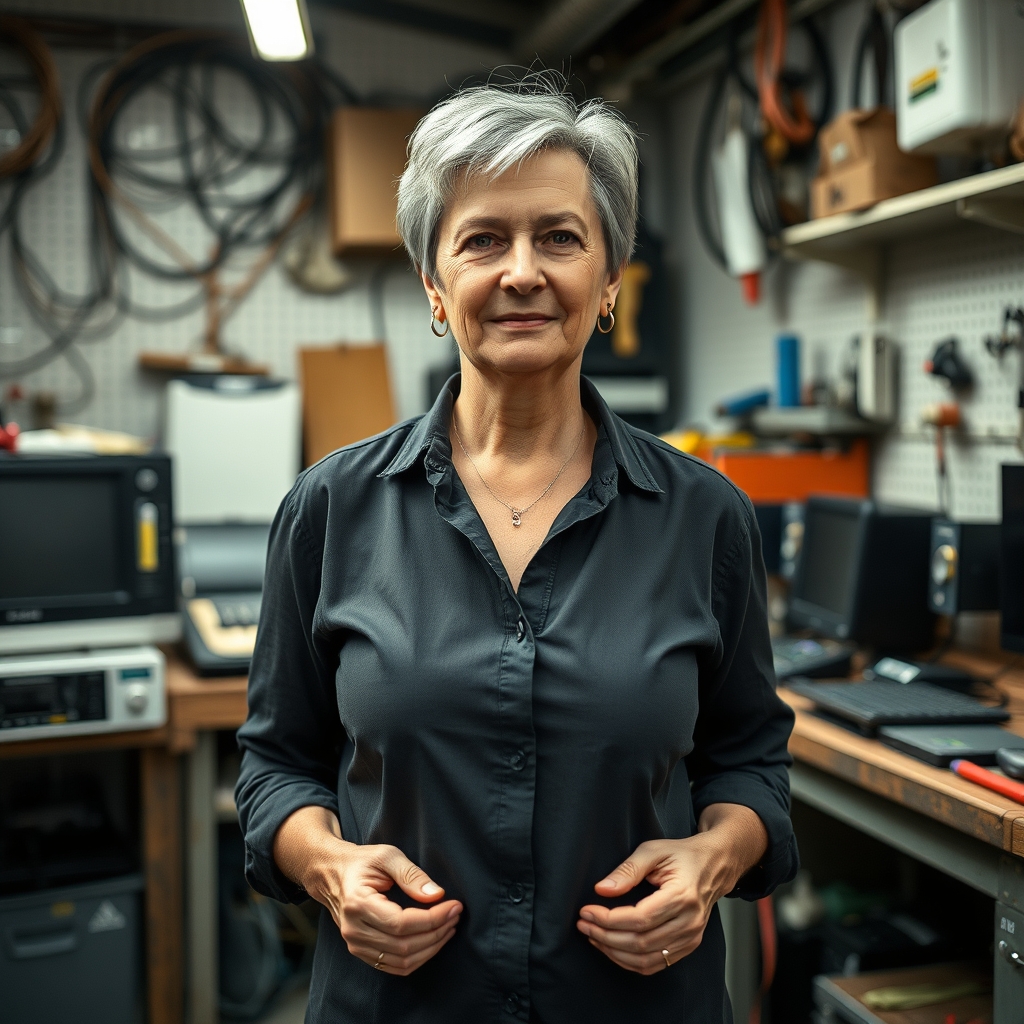
Twenty-one years of analogue and power. Draws the schematic, argues with it for a week, then draws it again. The reason our boards pass EMC first time more often than they have any right to.

Bare-metal C and the patience to read an erratum sheet properly. Wrote the bootloader that lets a meter in Kuruman update itself over a 2G link that drops every ninety seconds.
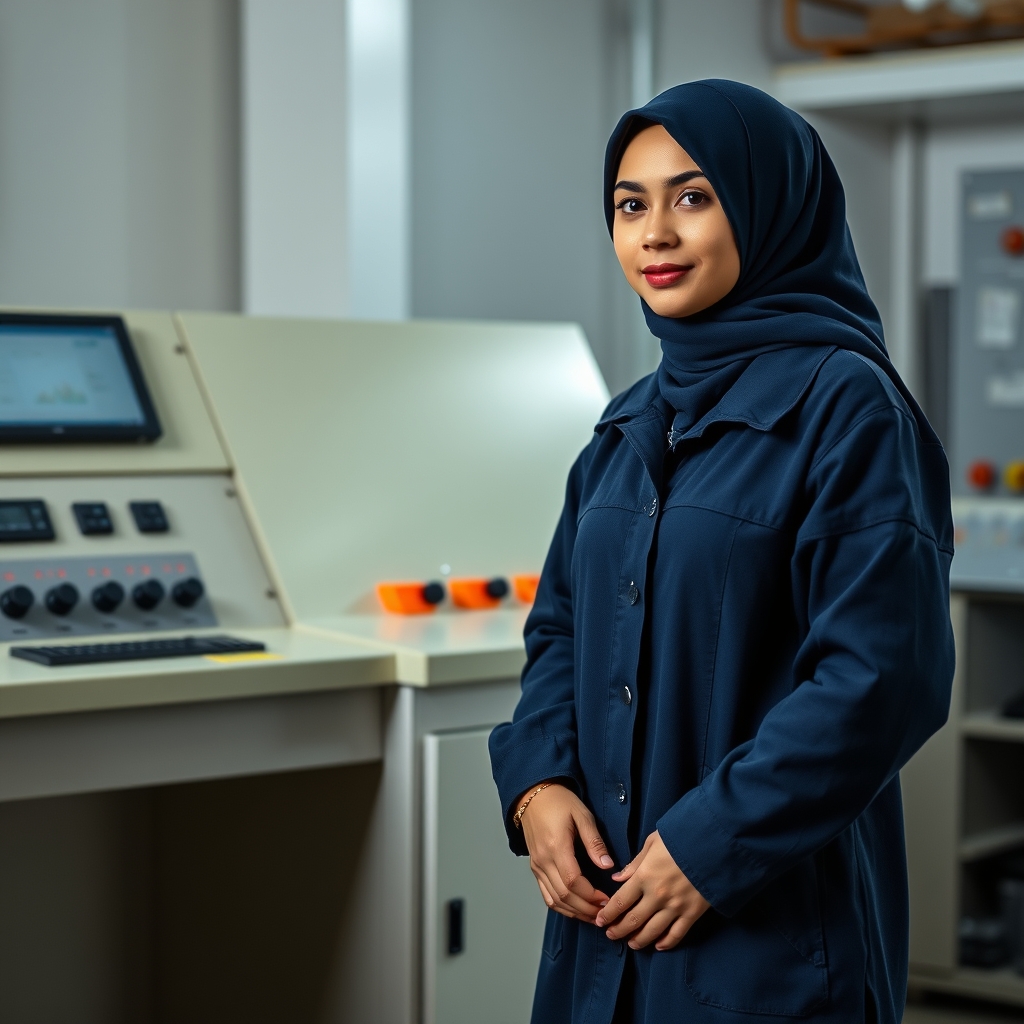
Builds the jigs, runs pre-compliance sweeps in our own screened room, and carries the ICASA and SABS paperwork. Nothing leaves the building until it has been over her bench twice.
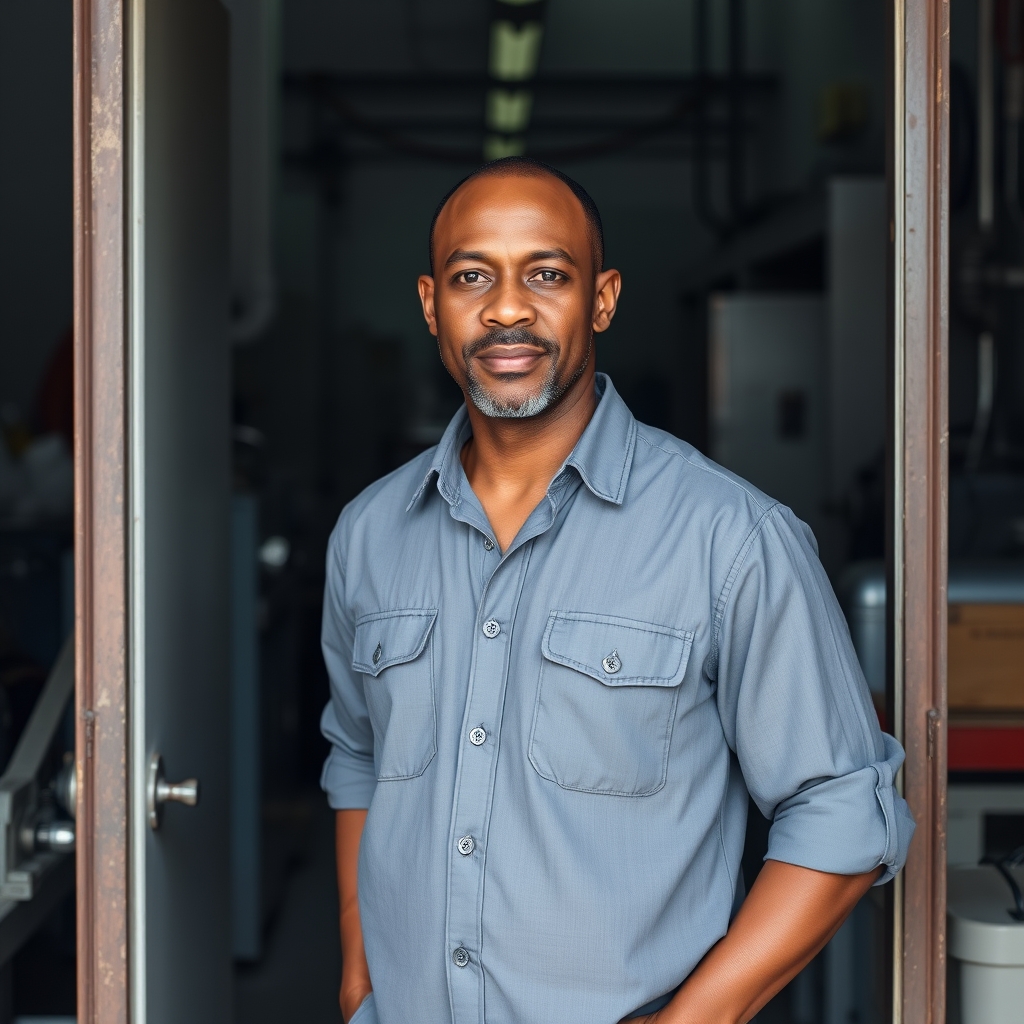
Panelisation, stencils and the handover pack. Nine years on an assembly floor in Epping, so he knows which clever footprint will cost you a fortune in rework later.
Bring us the version that already failed once
About half of what comes through the door is somebody else's board that nearly worked.
Talk to us about a board
Anneke reads these herself. If there is a real project in it you get an hour on a call and an honest range, at no charge.