Getting the rivers back
We take invasive trees out of the mountain catchments above the Breede, and keep them out until the indigenous cover holds on its own.
Book a walkSpruit is eleven people, four chainsaw teams and one bakkie older than most of them. We take one catchment at a time and we do not leave it until the water comes back.Elmarie Pool — started Spruit in Wolseley, 2011
How a valley gets done
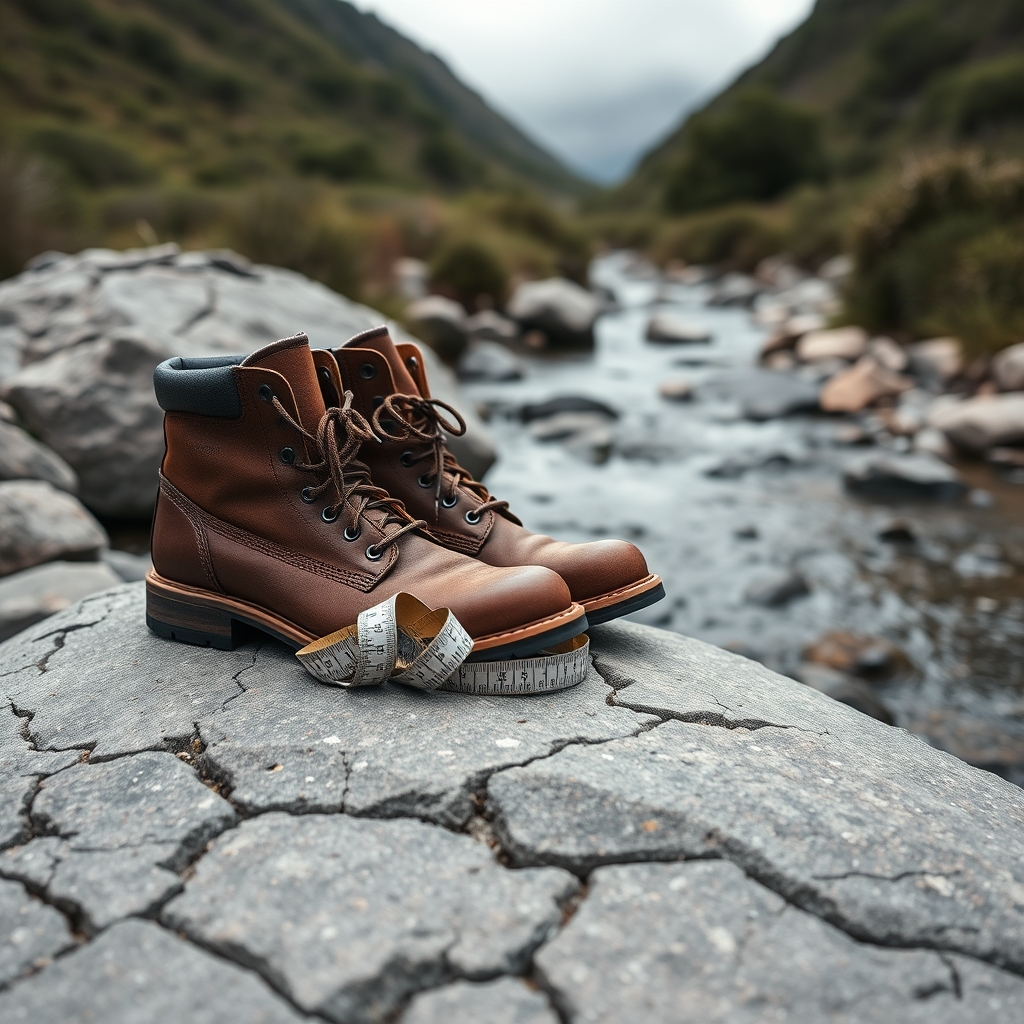
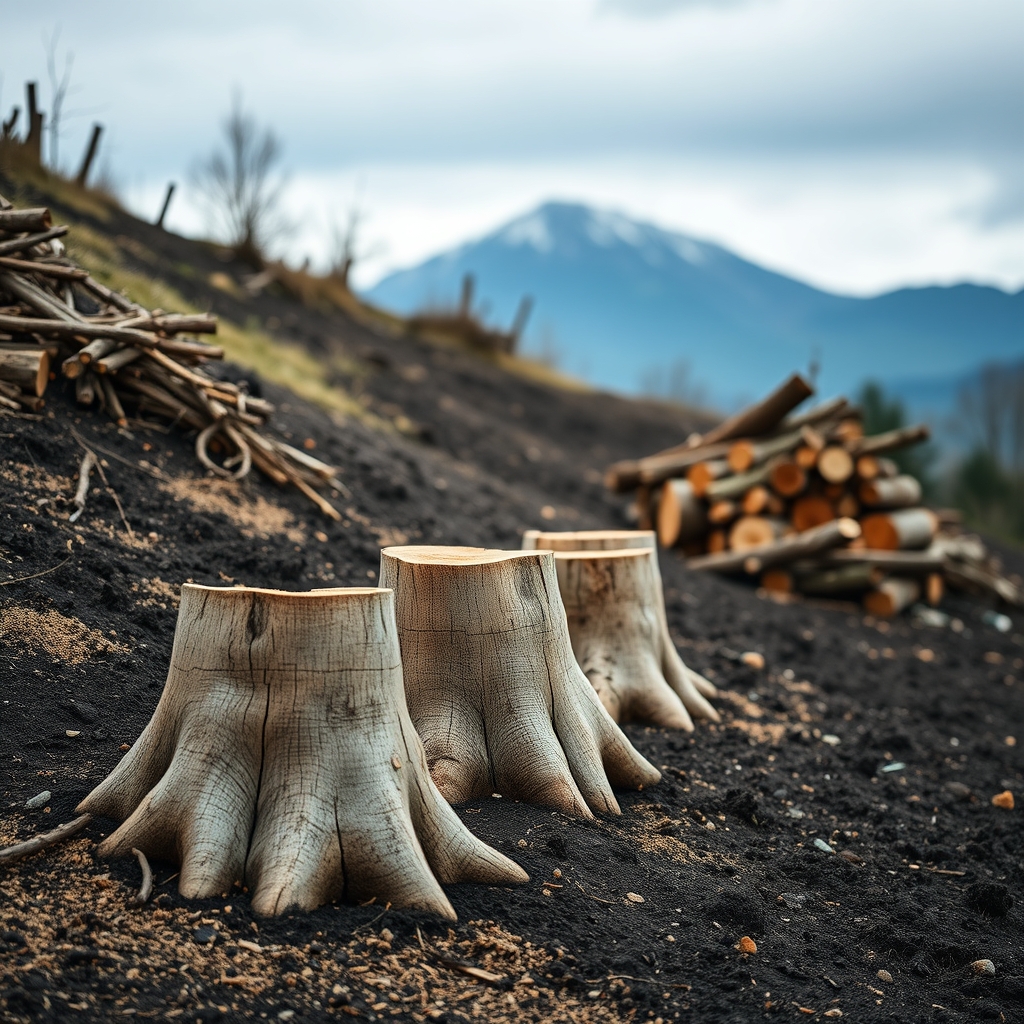
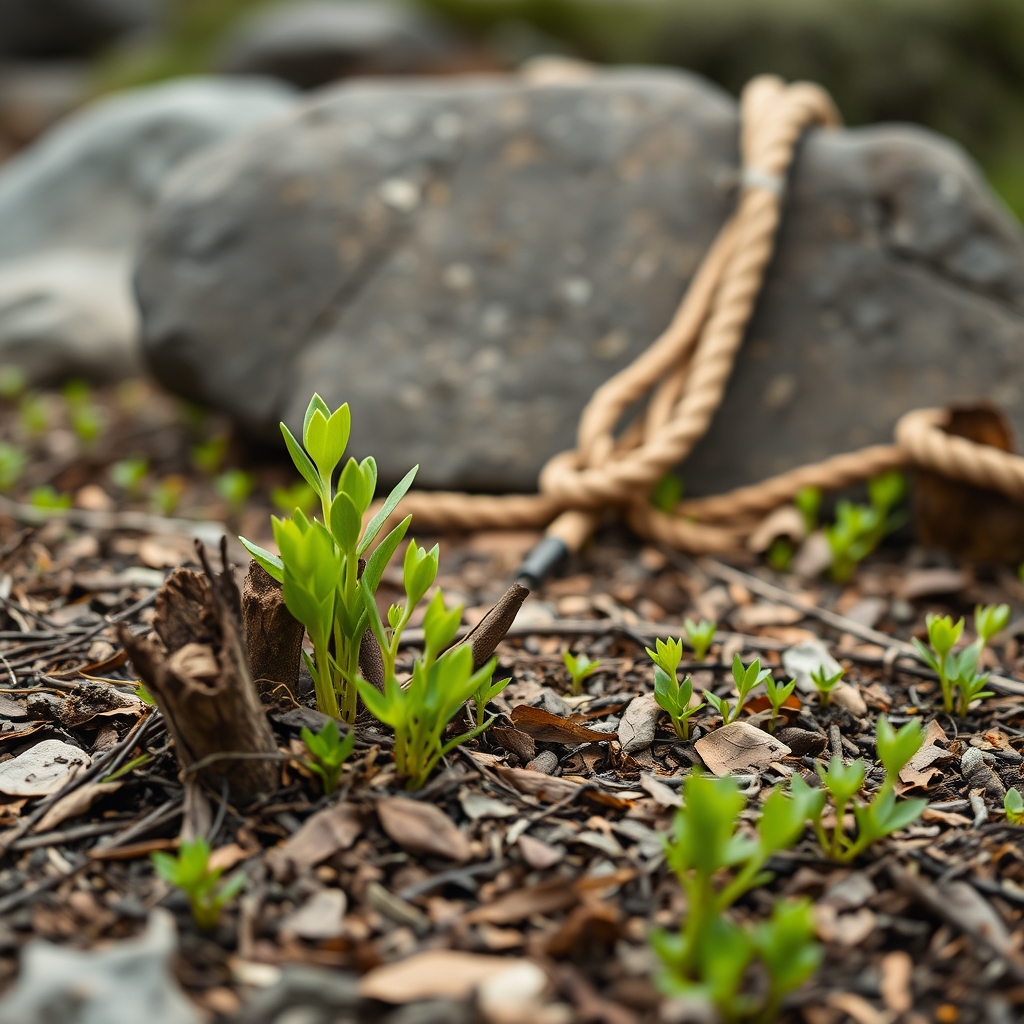

One — Walk it
We walk the whole watercourse with a GPS and count stems by density class, from scattered saplings to closed canopy. That walk is what the price per hectare is built on, and it costs you nothing.
Two — Fell it
Teams work from the top of the catchment down, so nothing seeds into ground already cleared. Black wattle, port jackson, blue gum and hakea come out. Timber is stacked for firewood or dropped clear of the channel.
Three — Come back
The seedbank wakes up the day the shade comes off. We return three times over four years, hand-pull and spray what has come up, and log every visit so you can prove the site is under control.
Four — Put it back
A bare bank washes out in the first real rain. We plant palmiet, wild olive and restios where the cover is thin and leave the rest to come back on its own, which mostly it does.
Catchments we have worked
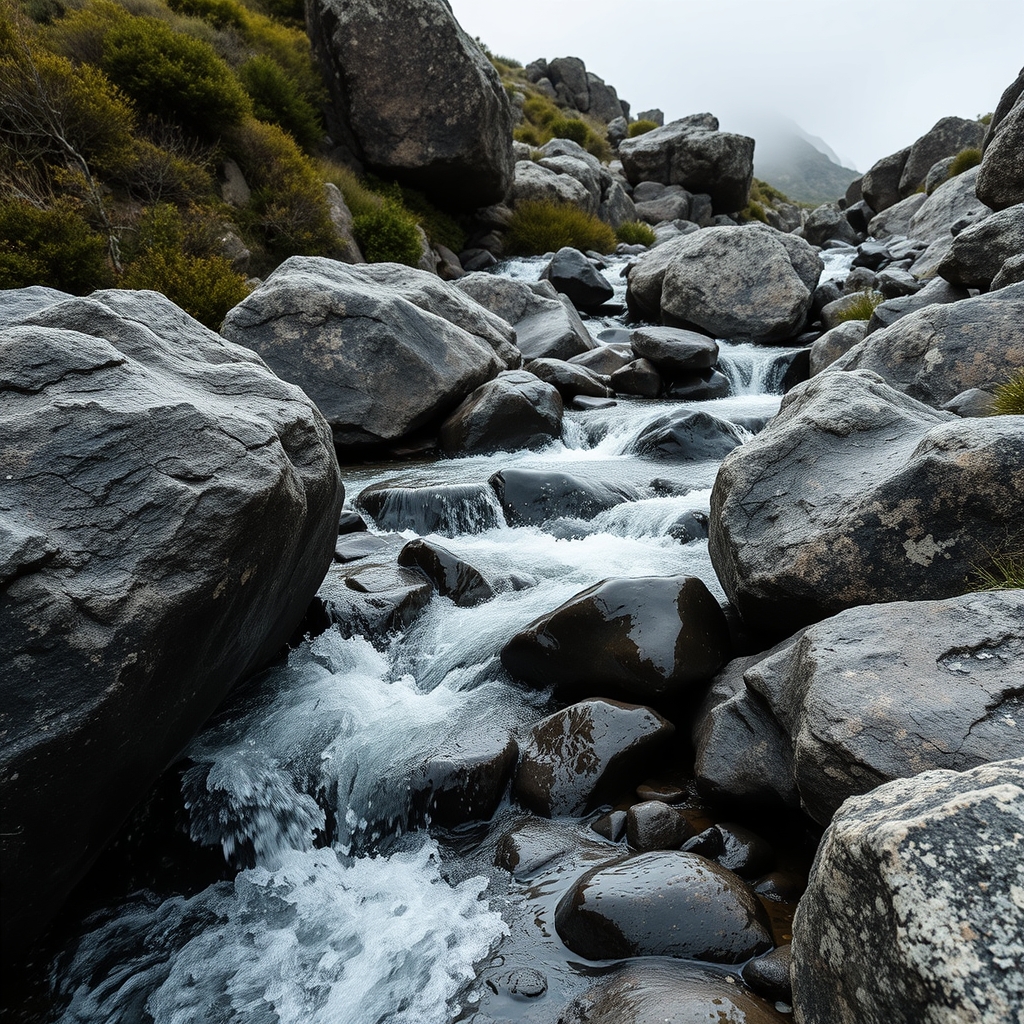
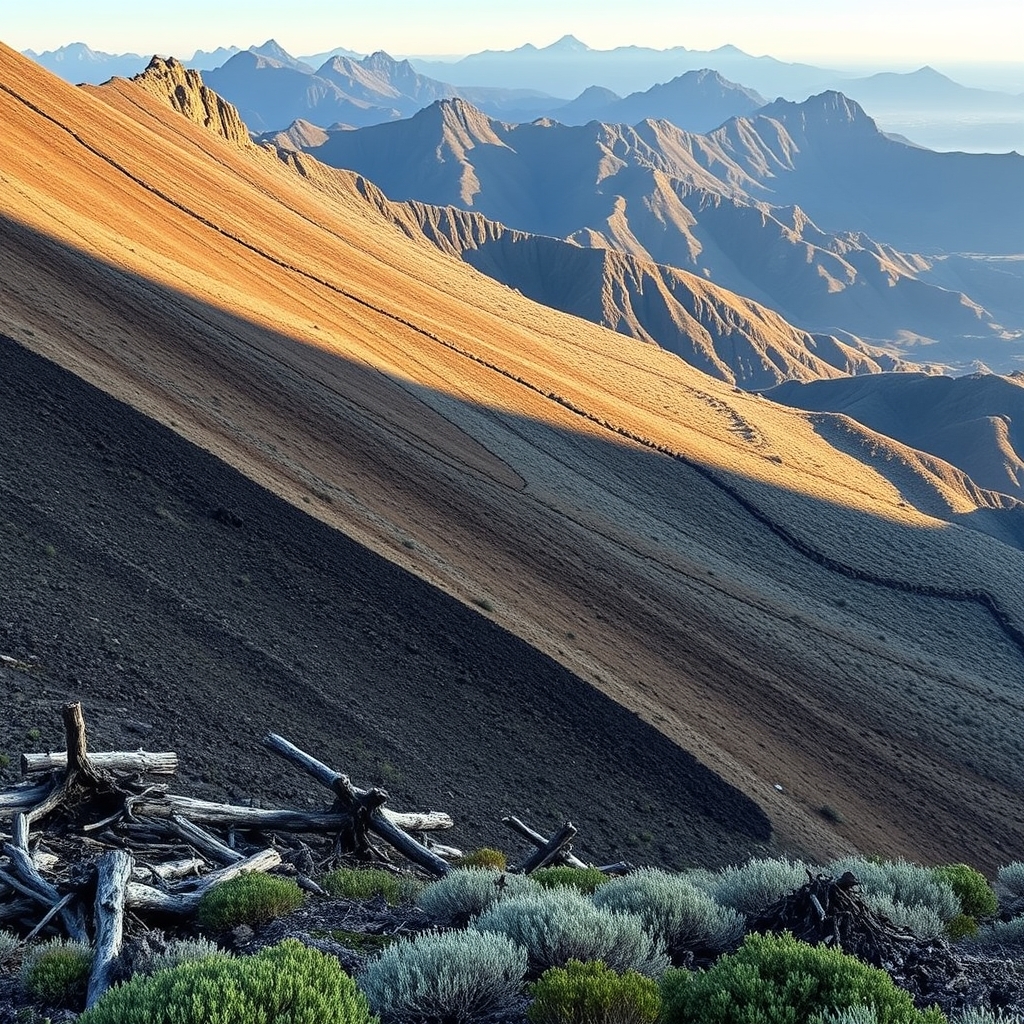
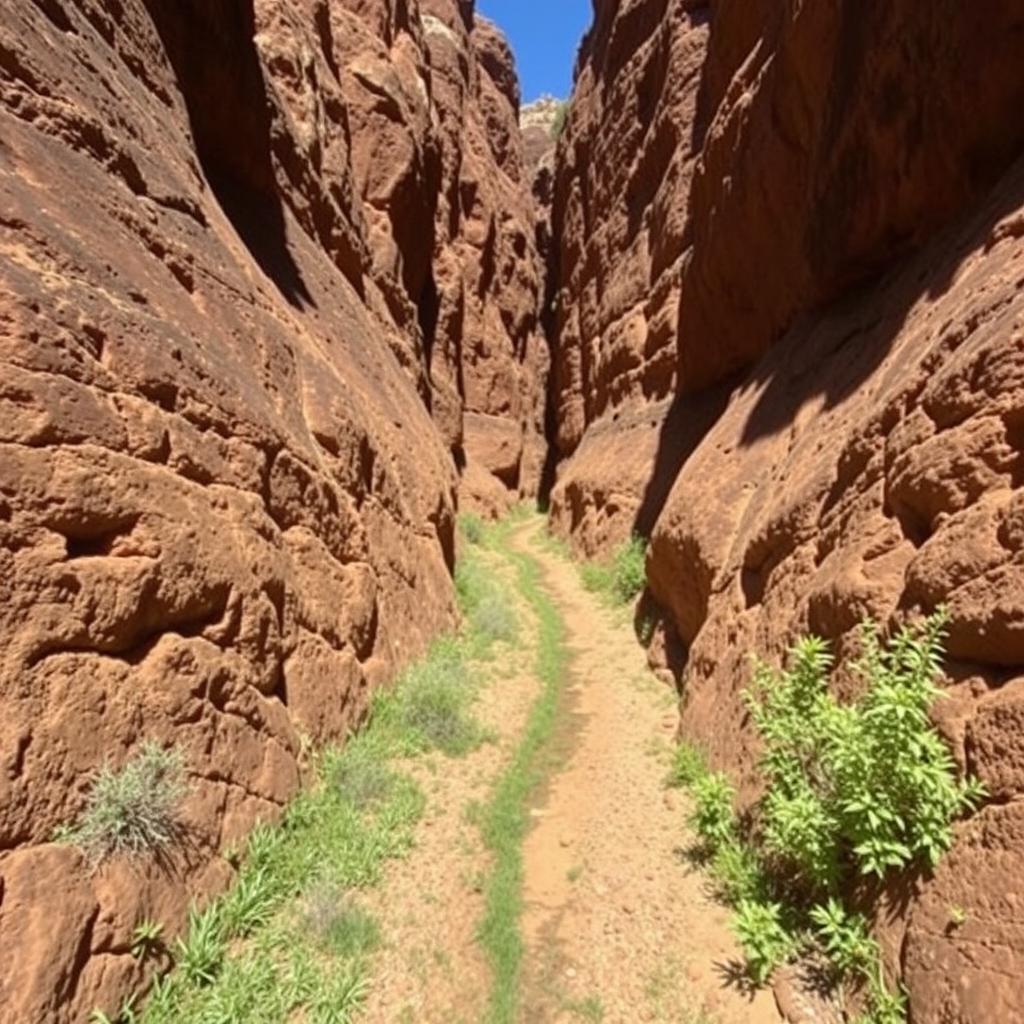
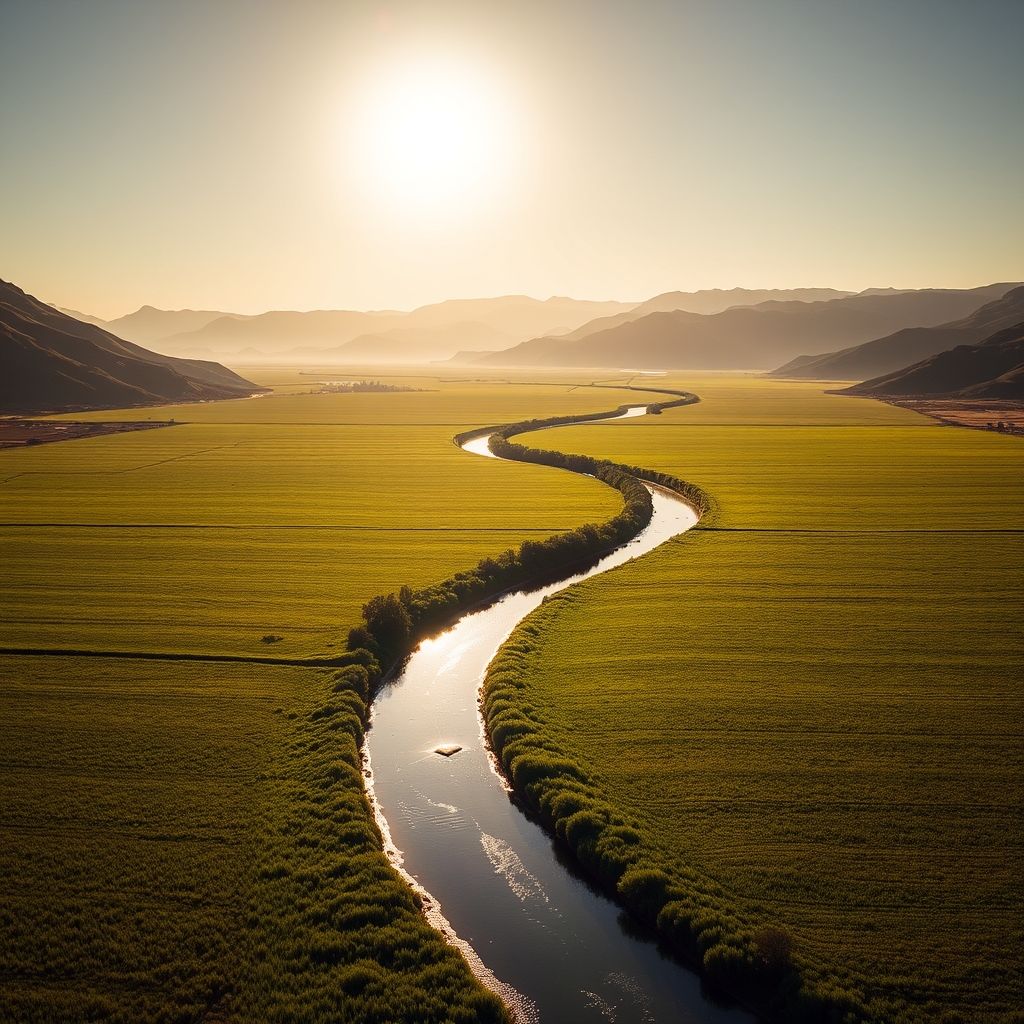
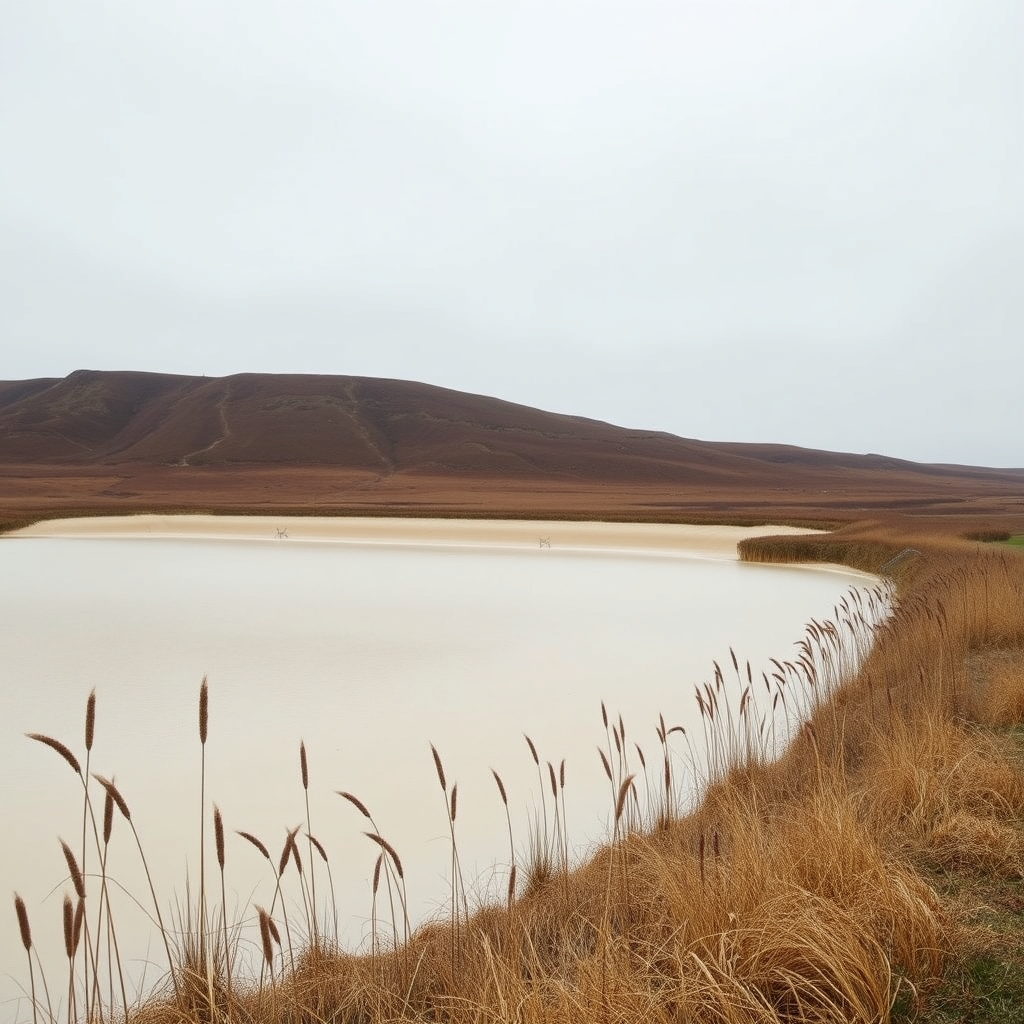
Anyone can fell a wattle. The work is the seven years afterwards, and we put that in the quote instead of leaving you to find it out in year three.Elmarie Pool — started Spruit in Wolseley, 2011
Who we work for
- Farms on the upper Breede and the streams that feed it
- Municipalities with a dam and a wattle problem upstream of it
- Water user associations clearing on a shared budget
- Conservancies and stewardship sites under a biodiversity agreement
- Guest farms and estates that want their river frontage back
- Landowners after a fire, when the whole seedbank comes up at once
Book a walk
We walk the property with you, mark what is there and send back a price per hectare. It takes a morning and there is no charge for it.